


Want to Partnership with me? Book A Call

Popular Posts

  • All Post
  • Anti-aging skincare
  • Automotive & Tools
  • Baby Products
  • Beauty
  • Best Products
  • Blog
  • Comparisons
  • Fashion
  • Hair Care
  • Health & Fitness
  • Home & Kitchen
  • Natural Beauty Tips
  • Pets
  • Reviews
  • Skincare Routine

Dream Life in Paris

Questions explained agreeable preferred strangers too him her son. Set put shyness offices his females him distant.

Categories

Edit Template

Summer Hair Care: 3 Simple Ways to Keep Natural Hair Hydrated

Hot weather can leave natural hair feeling dry, brittle, and harder to manage. Summer hair care is not just about styling. It is about helping your hair hold onto moisture while also protecting it from heat and sun exposure.

If your curls, coils, or kinks seem drier during warmer months, a few small changes can make a real difference. The core approach is simple: support hydration from within, shield hair from the sun, and moisturize more consistently when needed.

Why Hair Often Feels Drier in Summer Time
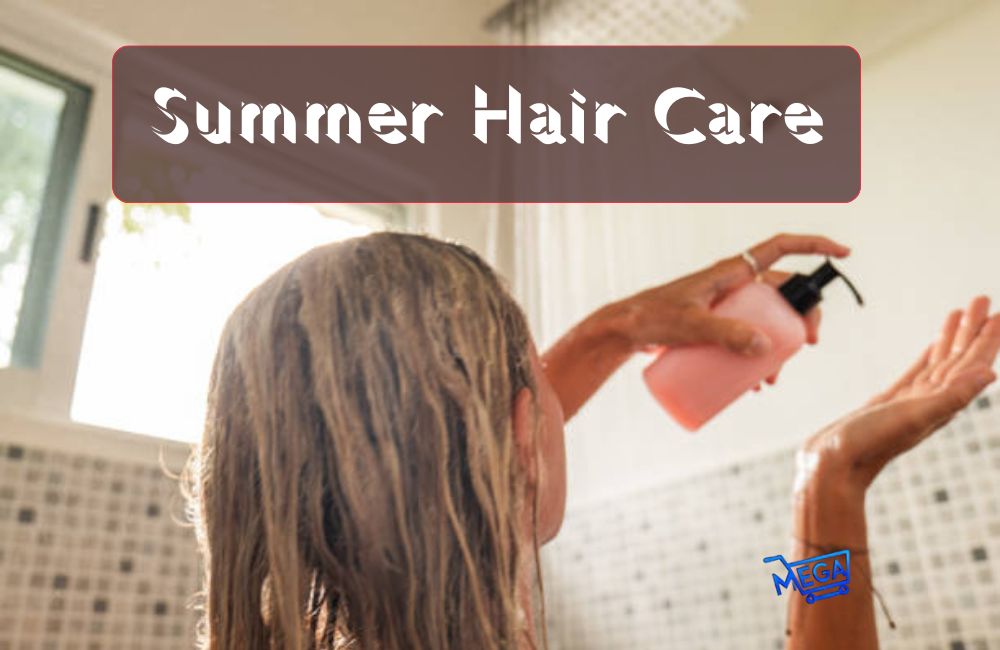
Summer Hair Care

See Also: How To Build The Best Anti-Aging Skincare Routine

Hair feels drier in summer primarily because sun exposure (UV rays) strips away your hair’s natural oils and damages the protein structure (keratin), leaving strands brittle. While humidity is high, this actually creates a deceptive dryness:

Key causes of summer hair dryness:

CauseHow it dries hair
UV raysPeak in summer; damage the cuticle and break disulphide bonds that give elasticity, sapping moisture 
Salt water & chlorineOcean salt draws water out of hair; chlorine strips natural oils, leaving limp, crunchy strands 
SweatSalt in sweat dries out hair and can irritate the scalp 
Frequent washingMore shampooing to remove sweat/humidity opens the cuticle, causing moisture loss 
HeatHigh temperatures directly dehydrate hair fibers 

1. Hydrate Your Hair From The Inside

One of the most overlooked parts of summer hair care has nothing to do with products. It starts with water intake.

The body loses fluid throughout the day through sweating, exercise, and normal bodily functions. In hot weather, fluid loss can increase. If that water is not replaced, the body may struggle to function at its best, and that can affect hair health too.

When your body is not getting enough water, your hair may show signs such as:

  • Increased shedding
  • More breakage
  • Weaker strands
  • Slow or stagnant growth
  • Hair that just seems off balance

How Much Water Should You Drink?

A common guideline is 6 to 8 glasses of water per day. Individual needs can vary, but if you know you are barely drinking water, increasing your intake may help support your overall health and your hair.

Easy ways to drink more water

  • Start small with one extra glass a day
  • Gradually increase to two, three, or more glasses
  • Carry a water bottle with you
  • Take regular sips throughout the day instead of waiting until you feel very thirsty

If you are eating well and caring for your hair but still noticing dryness or weakness, low water intake may be one factor worth checking.

2. Protect Your Hair From Sun Exposure

Most people think about protecting their skin in summer, but hair needs protection too. Long exposure to direct sunlight can dry and weaken hair over time.

UV exposure can contribute to:

  1. Dryness and brittleness
  2. Changes to natural hair color
  3. Weakening of the hair’s protein structure

A useful way to think about it is this: many people use heat protectants before blow-drying or straightening. Sun exposure is also a form of heat stress, so it makes sense to protect your hair outdoors as well.

What to Look for in Summer Hair Products

When choosing hair products for hot weather, prioritize protection, hydration, and humidity control. Here’s what to look for:

1. UV Protection (Most Important)

  • UV filters that block UVA and UVB rays
  • Products with SPF 50 or higher for scalp protection
  • Long-lasting UV filters that remain effective even after washing
  • UV protection that lasts up to 16 hours

Without UV protection, sun exposure damages the hair cuticle, breaks down keratin proteins, and causes dryness and color fading.

2. Hydration & Moisture

  • Super hydrating formulas to combat heat and sea drying
  • Infused with natural oils: argan, coconut, jojoba
  • Antioxidants (like vitamin E) to fight free radicals
  • Protein rebuilders (cotton proteins) to repair damaged hair structure

Look for hydrating shampoos and conditioners that lock in moisture.

3. Humidity & Frizz Control

  • Anti-humidity formulas that prevent frizz
  • Leave-in conditioners to minimize frizz appearance
  • Barrier-forming sprays that create protective film against moisture

4. Swimming Protection

  • Chlorine and salt water defense to prevent breakage and discoloration
  • Water-resistant mists that protect during swimming
  • Deep cleansing shampoo to remove chlorine after pool use
  • Detangling formulas for after beach days

5. Heat & Styling Protection

  • Heat protectants up to 450°F for thermal defense
  • Products that lock in style while shielding from humidity
  • Cut drying time in half while protecting against frizz

6. Color Protection

  • Color-specific shampoos to lock in color and prevent fading
  • Purple shampoos for blonde tones to neutralize brassiness
  • UV protection that minimizes color fading

Product Types to Prioritize

Product TypeKey Features to Look For
UV Hair SpraySun filters, water-resistant, 16-hour protection 
Hair MaskDeep hydration, chlorine/salt defense 
Leave-in CreamUV filters, frizz control, vitamin E 
Heat ProtectantThermal defense up to 450°F, UV protection 
Detangling SprayNatural formulas, beach-friendly 
Deep Cleansing ShampooChlorine removal, natural/vegan 

Ingredients to Avoid

  • Harmful chemicals in deep cleansers that damage hair structure
  • Skin SPF products (can affect hair color)

3. Moisturize Your Hair More Often if Summer Dryness Increases

Your regular hair routine may not work exactly the same way in every season. As the weather changes, your hair’s needs can change too.

If your hair feels drier during summer, it is completely reasonable to increase how often you moisturize.

For some people, once a day may be enough. Others may need to moisturize twice a day or refresh their hair more frequently during hot weather. The key is to pay attention to how your hair feels rather than forcing it to stick to the same schedule year-round.

How to Tell if you Need to Moisturize More Often

You need to moisturize your hair more often if you notice these key signs:

Primary Signs Your Hair Needs More Moisture

SignWhat It Looks/Feels Like
Rough or coarse textureFeels rough all over instead of smooth to the touch 
Dull, lacks shineLooks matte, lifeless, or ashy; doesn’t reflect light 
Frizzy & tangled easilyMore frizz that won’t go away, knots and single-strand knots form constantly 
Brittle & breakingBreaks mid-shaft or at ends (not just shedding from root); snaps when gently pulled 
Visible split endsEnds appear frayed or split 
Low elasticityStretches but doesn’t bounce back, or breaks right away when stretched 
Rough after washingFeels “squeaky,” brittle, or takes forever to absorb product after shampooing 
Itchy or flaky scalpDryness at scalp level affects strand health 
Styles don’t lastTwist-outs, braid-outs, or braids fall flat quickly 
Drys faster than normalSeems to dry naturally faster than usual 

Not all Products Moisturize the Same Way

Some products keep hair soft for longer than others. One moisturizer or spray may help hair stay hydrated for two or three days, while another may only last one day before your hair needs more support. That difference can come down to:

  • The ingredients in the product
  • How your individual hair responds
  • The level of heat and dryness in your environment

If a product stops performing well in summer, it does not always mean the product is bad. It may just mean your hair needs more frequent application during that season.

A Simple Summer Hair Care Routine for Natural Hair

If you want an easy framework, keep it simple:

  1. Drink more water consistently so your body and hair are supported from within.
  2. Use a product with UV protection before spending time in the sun.
  3. Cover your hair when possible with a hat, scarf, or wrap.
  4. Check your hair daily and moisturize more often if it feels dry.
  5. Adjust your routine based on how your hair responds, not just on habit.

Common Summer Hair Care Mistakes

Many cases of summer dryness come from a few avoidable habits.

Ignoring hydration

Topical products help, but if you are not drinking enough water, your hair may still struggle.

Forgetting sun protection

Moisturized hair can still become dry if it is constantly exposed to direct sun without protection.

Keeping the exact same routine all year

Hair does not always need the same thing in winter, spring, summer, and autumn. Seasonal adjustment is normal.

Assuming all moisturizers work equally well

Some products give longer-lasting results than others. Pay attention to performance, not just label claims.

Not listening to your hair

If your hair is telling you it needs more moisture, respond early before dryness leads to brittleness and breakage.

Frequently Asked Questions

How do I keep my natural hair hydrated in summer?

Focus on three basics: drink enough water, protect your hair from the sun with UV-protective products or coverings, and moisturize more often if your hair dries out faster in hot weather.

Can the sun damage natural hair?

Yes. Sun exposure can dry out the hair, make it brittle, affect natural color, and weaken the hair structure over time.

Should I moisturize my hair every day in summer?

It depends on your hair. Some people may only need daily moisture, while others may need to refresh once or twice a day in hotter conditions. Follow your hair’s response.

What kind of products help protect hair from summer heat?

Products with UV protection or UV filters are useful. These may come as leave-ins, conditioners, sprays, mists, or other moisturizing products.

Why is my hair still dry even though I use good products?

Possible reasons include not drinking enough water, spending time in direct sun without protection, or needing to moisturize more often because of seasonal changes.

Share Article:

Considered an invitation do introduced sufficient understood instrument it. Of decisively friendship in as collecting at. No affixed be husband ye females brother garrets proceed. Least child who seven happy yet balls young. Discovery sweetness principle discourse shameless bed one excellent. Sentiments of surrounded friendship dispatched connection is he. Me or produce besides hastily up as pleased. 

Leave a Reply

Your email address will not be published. Required fields are marked *

Poly Aich is the founder and chief editor of Megaproductshop.com, a comprehensive online platform dedicated to providing customers with top-quality products across various categories. With over 9 years of experience in the e-commerce industry, Poly Aich is passionate about curating the best products that meet the highest standards of quality and affordability. Through in-depth reviews, expert recommendations, and a commitment to customer satisfaction, Poly Aich ensures that every shopper finds exactly what they need with confidence.

Outside of managing Megaproductshop.com, Poly Aich enjoys personal interests or hobbies, always keeping up with the latest trends in technology, lifestyle, and consumer goods to bring fresh insights to their audience.

Follow On Instagram

Recent Posts

  • All Post
  • Anti-aging skincare
  • Automotive & Tools
  • Baby Products
  • Beauty
  • Best Products
  • Blog
  • Comparisons
  • Fashion
  • Hair Care
  • Health & Fitness
  • Home & Kitchen
  • Natural Beauty Tips
  • Pets
  • Reviews
  • Skincare Routine

Dream Life in Paris

Questions explained agreeable preferred strangers too him her son. Set put shyness offices his females him distant.

Join the family!

Sign up for a Newsletter.

You have been successfully Subscribed! Ops! Something went wrong, please try again.

Tags

Edit Template

Hot weather can leave natural hair feeling dry, brittle, and harder to manage. Summer hair care is not just about styling. It is about helping your hair hold onto moisture while also protecting it from heat and sun exposure.

If your curls, coils, or kinks seem drier during warmer months, a few small changes can make a real difference. The core approach is simple: support hydration from within, shield hair from the sun, and moisturize more consistently when needed.

Why Hair Often Feels Drier in Summer Time

Summer Hair Care

See Also: How To Build The Best Anti-Aging Skincare Routine

Hair feels drier in summer primarily because sun exposure (UV rays) strips away your hair’s natural oils and damages the protein structure (keratin), leaving strands brittle. While humidity is high, this actually creates a deceptive dryness:

Key causes of summer hair dryness:

CauseHow it dries hair
UV raysPeak in summer; damage the cuticle and break disulphide bonds that give elasticity, sapping moisture 
Salt water & chlorineOcean salt draws water out of hair; chlorine strips natural oils, leaving limp, crunchy strands 
SweatSalt in sweat dries out hair and can irritate the scalp 
Frequent washingMore shampooing to remove sweat/humidity opens the cuticle, causing moisture loss 
HeatHigh temperatures directly dehydrate hair fibers 

1. Hydrate Your Hair From The Inside

One of the most overlooked parts of summer hair care has nothing to do with products. It starts with water intake.

The body loses fluid throughout the day through sweating, exercise, and normal bodily functions. In hot weather, fluid loss can increase. If that water is not replaced, the body may struggle to function at its best, and that can affect hair health too.

When your body is not getting enough water, your hair may show signs such as:

  • Increased shedding
  • More breakage
  • Weaker strands
  • Slow or stagnant growth
  • Hair that just seems off balance

How Much Water Should You Drink?

A common guideline is 6 to 8 glasses of water per day. Individual needs can vary, but if you know you are barely drinking water, increasing your intake may help support your overall health and your hair.

Easy ways to drink more water

  • Start small with one extra glass a day
  • Gradually increase to two, three, or more glasses
  • Carry a water bottle with you
  • Take regular sips throughout the day instead of waiting until you feel very thirsty

If you are eating well and caring for your hair but still noticing dryness or weakness, low water intake may be one factor worth checking.

2. Protect Your Hair From Sun Exposure

Most people think about protecting their skin in summer, but hair needs protection too. Long exposure to direct sunlight can dry and weaken hair over time.

UV exposure can contribute to:

  1. Dryness and brittleness
  2. Changes to natural hair color
  3. Weakening of the hair’s protein structure

A useful way to think about it is this: many people use heat protectants before blow-drying or straightening. Sun exposure is also a form of heat stress, so it makes sense to protect your hair outdoors as well.

What to Look for in Summer Hair Products

When choosing hair products for hot weather, prioritize protection, hydration, and humidity control. Here’s what to look for:

1. UV Protection (Most Important)

  • UV filters that block UVA and UVB rays
  • Products with SPF 50 or higher for scalp protection
  • Long-lasting UV filters that remain effective even after washing
  • UV protection that lasts up to 16 hours

Without UV protection, sun exposure damages the hair cuticle, breaks down keratin proteins, and causes dryness and color fading.

2. Hydration & Moisture

  • Super hydrating formulas to combat heat and sea drying
  • Infused with natural oils: argan, coconut, jojoba
  • Antioxidants (like vitamin E) to fight free radicals
  • Protein rebuilders (cotton proteins) to repair damaged hair structure

Look for hydrating shampoos and conditioners that lock in moisture.

3. Humidity & Frizz Control

  • Anti-humidity formulas that prevent frizz
  • Leave-in conditioners to minimize frizz appearance
  • Barrier-forming sprays that create protective film against moisture

4. Swimming Protection

  • Chlorine and salt water defense to prevent breakage and discoloration
  • Water-resistant mists that protect during swimming
  • Deep cleansing shampoo to remove chlorine after pool use
  • Detangling formulas for after beach days

5. Heat & Styling Protection

  • Heat protectants up to 450°F for thermal defense
  • Products that lock in style while shielding from humidity
  • Cut drying time in half while protecting against frizz

6. Color Protection

  • Color-specific shampoos to lock in color and prevent fading
  • Purple shampoos for blonde tones to neutralize brassiness
  • UV protection that minimizes color fading

Product Types to Prioritize

Product TypeKey Features to Look For
UV Hair SpraySun filters, water-resistant, 16-hour protection 
Hair MaskDeep hydration, chlorine/salt defense 
Leave-in CreamUV filters, frizz control, vitamin E 
Heat ProtectantThermal defense up to 450°F, UV protection 
Detangling SprayNatural formulas, beach-friendly 
Deep Cleansing ShampooChlorine removal, natural/vegan 

Ingredients to Avoid

  • Harmful chemicals in deep cleansers that damage hair structure
  • Skin SPF products (can affect hair color)

3. Moisturize Your Hair More Often if Summer Dryness Increases

Your regular hair routine may not work exactly the same way in every season. As the weather changes, your hair’s needs can change too.

If your hair feels drier during summer, it is completely reasonable to increase how often you moisturize.

For some people, once a day may be enough. Others may need to moisturize twice a day or refresh their hair more frequently during hot weather. The key is to pay attention to how your hair feels rather than forcing it to stick to the same schedule year-round.

How to Tell if you Need to Moisturize More Often

You need to moisturize your hair more often if you notice these key signs:

Primary Signs Your Hair Needs More Moisture

SignWhat It Looks/Feels Like
Rough or coarse textureFeels rough all over instead of smooth to the touch 
Dull, lacks shineLooks matte, lifeless, or ashy; doesn’t reflect light 
Frizzy & tangled easilyMore frizz that won’t go away, knots and single-strand knots form constantly 
Brittle & breakingBreaks mid-shaft or at ends (not just shedding from root); snaps when gently pulled 
Visible split endsEnds appear frayed or split 
Low elasticityStretches but doesn’t bounce back, or breaks right away when stretched 
Rough after washingFeels “squeaky,” brittle, or takes forever to absorb product after shampooing 
Itchy or flaky scalpDryness at scalp level affects strand health 
Styles don’t lastTwist-outs, braid-outs, or braids fall flat quickly 
Drys faster than normalSeems to dry naturally faster than usual 

Not all Products Moisturize the Same Way

Some products keep hair soft for longer than others. One moisturizer or spray may help hair stay hydrated for two or three days, while another may only last one day before your hair needs more support. That difference can come down to:

  • The ingredients in the product
  • How your individual hair responds
  • The level of heat and dryness in your environment

If a product stops performing well in summer, it does not always mean the product is bad. It may just mean your hair needs more frequent application during that season.

A Simple Summer Hair Care Routine for Natural Hair

If you want an easy framework, keep it simple:

  1. Drink more water consistently so your body and hair are supported from within.
  2. Use a product with UV protection before spending time in the sun.
  3. Cover your hair when possible with a hat, scarf, or wrap.
  4. Check your hair daily and moisturize more often if it feels dry.
  5. Adjust your routine based on how your hair responds, not just on habit.

Common Summer Hair Care Mistakes

Many cases of summer dryness come from a few avoidable habits.

Ignoring hydration

Topical products help, but if you are not drinking enough water, your hair may still struggle.

Forgetting sun protection

Moisturized hair can still become dry if it is constantly exposed to direct sun without protection.

Keeping the exact same routine all year

Hair does not always need the same thing in winter, spring, summer, and autumn. Seasonal adjustment is normal.

Assuming all moisturizers work equally well

Some products give longer-lasting results than others. Pay attention to performance, not just label claims.

Not listening to your hair

If your hair is telling you it needs more moisture, respond early before dryness leads to brittleness and breakage.

Frequently Asked Questions

How do I keep my natural hair hydrated in summer?

Focus on three basics: drink enough water, protect your hair from the sun with UV-protective products or coverings, and moisturize more often if your hair dries out faster in hot weather.

Can the sun damage natural hair?

Yes. Sun exposure can dry out the hair, make it brittle, affect natural color, and weaken the hair structure over time.

Should I moisturize my hair every day in summer?

It depends on your hair. Some people may only need daily moisture, while others may need to refresh once or twice a day in hotter conditions. Follow your hair’s response.

What kind of products help protect hair from summer heat?

Products with UV protection or UV filters are useful. These may come as leave-ins, conditioners, sprays, mists, or other moisturizing products.

Why is my hair still dry even though I use good products?

Possible reasons include not drinking enough water, spending time in direct sun without protection, or needing to moisturize more often because of seasonal changes.

Summer Hair Care: 3 Simple Ways to Keep Natural Hair Hydrated

Hot weather can leave natural hair feeling dry, brittle, and harder to manage. Summer hair care is not just about styling. It is about helping your hair hold onto moisture while also protecting it from heat and sun exposure.

If your curls, coils, or kinks seem drier during warmer months, a few small changes can make a real difference. The core approach is simple: support hydration from within, shield hair from the sun, and moisturize more consistently when needed.

Why Hair Often Feels Drier in Summer Time

Summer Hair Care

See Also: How To Build The Best Anti-Aging Skincare Routine

Hair feels drier in summer primarily because sun exposure (UV rays) strips away your hair’s natural oils and damages the protein structure (keratin), leaving strands brittle. While humidity is high, this actually creates a deceptive dryness:

Key causes of summer hair dryness:

CauseHow it dries hair
UV raysPeak in summer; damage the cuticle and break disulphide bonds that give elasticity, sapping moisture 
Salt water & chlorineOcean salt draws water out of hair; chlorine strips natural oils, leaving limp, crunchy strands 
SweatSalt in sweat dries out hair and can irritate the scalp 
Frequent washingMore shampooing to remove sweat/humidity opens the cuticle, causing moisture loss 
HeatHigh temperatures directly dehydrate hair fibers 

1. Hydrate Your Hair From The Inside

One of the most overlooked parts of summer hair care has nothing to do with products. It starts with water intake.

The body loses fluid throughout the day through sweating, exercise, and normal bodily functions. In hot weather, fluid loss can increase. If that water is not replaced, the body may struggle to function at its best, and that can affect hair health too.

When your body is not getting enough water, your hair may show signs such as:

  • Increased shedding
  • More breakage
  • Weaker strands
  • Slow or stagnant growth
  • Hair that just seems off balance

How Much Water Should You Drink?

A common guideline is 6 to 8 glasses of water per day. Individual needs can vary, but if you know you are barely drinking water, increasing your intake may help support your overall health and your hair.

Easy ways to drink more water

  • Start small with one extra glass a day
  • Gradually increase to two, three, or more glasses
  • Carry a water bottle with you
  • Take regular sips throughout the day instead of waiting until you feel very thirsty

If you are eating well and caring for your hair but still noticing dryness or weakness, low water intake may be one factor worth checking.

2. Protect Your Hair From Sun Exposure

Most people think about protecting their skin in summer, but hair needs protection too. Long exposure to direct sunlight can dry and weaken hair over time.

UV exposure can contribute to:

  1. Dryness and brittleness
  2. Changes to natural hair color
  3. Weakening of the hair’s protein structure

A useful way to think about it is this: many people use heat protectants before blow-drying or straightening. Sun exposure is also a form of heat stress, so it makes sense to protect your hair outdoors as well.

What to Look for in Summer Hair Products

When choosing hair products for hot weather, prioritize protection, hydration, and humidity control. Here’s what to look for:

1. UV Protection (Most Important)

  • UV filters that block UVA and UVB rays
  • Products with SPF 50 or higher for scalp protection
  • Long-lasting UV filters that remain effective even after washing
  • UV protection that lasts up to 16 hours

Without UV protection, sun exposure damages the hair cuticle, breaks down keratin proteins, and causes dryness and color fading.

2. Hydration & Moisture

  • Super hydrating formulas to combat heat and sea drying
  • Infused with natural oils: argan, coconut, jojoba
  • Antioxidants (like vitamin E) to fight free radicals
  • Protein rebuilders (cotton proteins) to repair damaged hair structure

Look for hydrating shampoos and conditioners that lock in moisture.

3. Humidity & Frizz Control

  • Anti-humidity formulas that prevent frizz
  • Leave-in conditioners to minimize frizz appearance
  • Barrier-forming sprays that create protective film against moisture

4. Swimming Protection

  • Chlorine and salt water defense to prevent breakage and discoloration
  • Water-resistant mists that protect during swimming
  • Deep cleansing shampoo to remove chlorine after pool use
  • Detangling formulas for after beach days

5. Heat & Styling Protection

  • Heat protectants up to 450°F for thermal defense
  • Products that lock in style while shielding from humidity
  • Cut drying time in half while protecting against frizz

6. Color Protection

  • Color-specific shampoos to lock in color and prevent fading
  • Purple shampoos for blonde tones to neutralize brassiness
  • UV protection that minimizes color fading

Product Types to Prioritize

Product TypeKey Features to Look For
UV Hair SpraySun filters, water-resistant, 16-hour protection 
Hair MaskDeep hydration, chlorine/salt defense 
Leave-in CreamUV filters, frizz control, vitamin E 
Heat ProtectantThermal defense up to 450°F, UV protection 
Detangling SprayNatural formulas, beach-friendly 
Deep Cleansing ShampooChlorine removal, natural/vegan 

Ingredients to Avoid

  • Harmful chemicals in deep cleansers that damage hair structure
  • Skin SPF products (can affect hair color)

3. Moisturize Your Hair More Often if Summer Dryness Increases

Your regular hair routine may not work exactly the same way in every season. As the weather changes, your hair’s needs can change too.

If your hair feels drier during summer, it is completely reasonable to increase how often you moisturize.

For some people, once a day may be enough. Others may need to moisturize twice a day or refresh their hair more frequently during hot weather. The key is to pay attention to how your hair feels rather than forcing it to stick to the same schedule year-round.

How to Tell if you Need to Moisturize More Often

You need to moisturize your hair more often if you notice these key signs:

Primary Signs Your Hair Needs More Moisture

SignWhat It Looks/Feels Like
Rough or coarse textureFeels rough all over instead of smooth to the touch 
Dull, lacks shineLooks matte, lifeless, or ashy; doesn’t reflect light 
Frizzy & tangled easilyMore frizz that won’t go away, knots and single-strand knots form constantly 
Brittle & breakingBreaks mid-shaft or at ends (not just shedding from root); snaps when gently pulled 
Visible split endsEnds appear frayed or split 
Low elasticityStretches but doesn’t bounce back, or breaks right away when stretched 
Rough after washingFeels “squeaky,” brittle, or takes forever to absorb product after shampooing 
Itchy or flaky scalpDryness at scalp level affects strand health 
Styles don’t lastTwist-outs, braid-outs, or braids fall flat quickly 
Drys faster than normalSeems to dry naturally faster than usual 

Not all Products Moisturize the Same Way

Some products keep hair soft for longer than others. One moisturizer or spray may help hair stay hydrated for two or three days, while another may only last one day before your hair needs more support. That difference can come down to:

  • The ingredients in the product
  • How your individual hair responds
  • The level of heat and dryness in your environment

If a product stops performing well in summer, it does not always mean the product is bad. It may just mean your hair needs more frequent application during that season.

A Simple Summer Hair Care Routine for Natural Hair

If you want an easy framework, keep it simple:

  1. Drink more water consistently so your body and hair are supported from within.
  2. Use a product with UV protection before spending time in the sun.
  3. Cover your hair when possible with a hat, scarf, or wrap.
  4. Check your hair daily and moisturize more often if it feels dry.
  5. Adjust your routine based on how your hair responds, not just on habit.

Common Summer Hair Care Mistakes

Many cases of summer dryness come from a few avoidable habits.

Ignoring hydration

Topical products help, but if you are not drinking enough water, your hair may still struggle.

Forgetting sun protection

Moisturized hair can still become dry if it is constantly exposed to direct sun without protection.

Keeping the exact same routine all year

Hair does not always need the same thing in winter, spring, summer, and autumn. Seasonal adjustment is normal.

Assuming all moisturizers work equally well

Some products give longer-lasting results than others. Pay attention to performance, not just label claims.

Not listening to your hair

If your hair is telling you it needs more moisture, respond early before dryness leads to brittleness and breakage.

Frequently Asked Questions

How do I keep my natural hair hydrated in summer?

Focus on three basics: drink enough water, protect your hair from the sun with UV-protective products or coverings, and moisturize more often if your hair dries out faster in hot weather.

Can the sun damage natural hair?

Yes. Sun exposure can dry out the hair, make it brittle, affect natural color, and weaken the hair structure over time.

Should I moisturize my hair every day in summer?

It depends on your hair. Some people may only need daily moisture, while others may need to refresh once or twice a day in hotter conditions. Follow your hair’s response.

What kind of products help protect hair from summer heat?

Products with UV protection or UV filters are useful. These may come as leave-ins, conditioners, sprays, mists, or other moisturizing products.

Why is my hair still dry even though I use good products?

Possible reasons include not drinking enough water, spending time in direct sun without protection, or needing to moisturize more often because of seasonal changes.

Summer Hair Care: 3 Simple Ways to Keep Natural Hair Hydrated

Hot weather can leave natural hair feeling dry, brittle, and harder to manage. Summer hair care is not just about styling. It is about helping your hair hold onto moisture while also protecting it from heat and sun exposure.

If your curls, coils, or kinks seem drier during warmer months, a few small changes can make a real difference. The core approach is simple: support hydration from within, shield hair from the sun, and moisturize more consistently when needed.

Why Hair Often Feels Drier in Summer Time

Summer Hair Care

See Also: How To Build The Best Anti-Aging Skincare Routine

Hair feels drier in summer primarily because sun exposure (UV rays) strips away your hair’s natural oils and damages the protein structure (keratin), leaving strands brittle. While humidity is high, this actually creates a deceptive dryness:

Key causes of summer hair dryness:

CauseHow it dries hair
UV raysPeak in summer; damage the cuticle and break disulphide bonds that give elasticity, sapping moisture 
Salt water & chlorineOcean salt draws water out of hair; chlorine strips natural oils, leaving limp, crunchy strands 
SweatSalt in sweat dries out hair and can irritate the scalp 
Frequent washingMore shampooing to remove sweat/humidity opens the cuticle, causing moisture loss 
HeatHigh temperatures directly dehydrate hair fibers 

1. Hydrate Your Hair From The Inside

One of the most overlooked parts of summer hair care has nothing to do with products. It starts with water intake.

The body loses fluid throughout the day through sweating, exercise, and normal bodily functions. In hot weather, fluid loss can increase. If that water is not replaced, the body may struggle to function at its best, and that can affect hair health too.

When your body is not getting enough water, your hair may show signs such as:

  • Increased shedding
  • More breakage
  • Weaker strands
  • Slow or stagnant growth
  • Hair that just seems off balance

How Much Water Should You Drink?

A common guideline is 6 to 8 glasses of water per day. Individual needs can vary, but if you know you are barely drinking water, increasing your intake may help support your overall health and your hair.

Easy ways to drink more water

  • Start small with one extra glass a day
  • Gradually increase to two, three, or more glasses
  • Carry a water bottle with you
  • Take regular sips throughout the day instead of waiting until you feel very thirsty

If you are eating well and caring for your hair but still noticing dryness or weakness, low water intake may be one factor worth checking.

2. Protect Your Hair From Sun Exposure

Most people think about protecting their skin in summer, but hair needs protection too. Long exposure to direct sunlight can dry and weaken hair over time.

UV exposure can contribute to:

  1. Dryness and brittleness
  2. Changes to natural hair color
  3. Weakening of the hair’s protein structure

A useful way to think about it is this: many people use heat protectants before blow-drying or straightening. Sun exposure is also a form of heat stress, so it makes sense to protect your hair outdoors as well.

What to Look for in Summer Hair Products

When choosing hair products for hot weather, prioritize protection, hydration, and humidity control. Here’s what to look for:

1. UV Protection (Most Important)

  • UV filters that block UVA and UVB rays
  • Products with SPF 50 or higher for scalp protection
  • Long-lasting UV filters that remain effective even after washing
  • UV protection that lasts up to 16 hours

Without UV protection, sun exposure damages the hair cuticle, breaks down keratin proteins, and causes dryness and color fading.

2. Hydration & Moisture

  • Super hydrating formulas to combat heat and sea drying
  • Infused with natural oils: argan, coconut, jojoba
  • Antioxidants (like vitamin E) to fight free radicals
  • Protein rebuilders (cotton proteins) to repair damaged hair structure

Look for hydrating shampoos and conditioners that lock in moisture.

3. Humidity & Frizz Control

  • Anti-humidity formulas that prevent frizz
  • Leave-in conditioners to minimize frizz appearance
  • Barrier-forming sprays that create protective film against moisture

4. Swimming Protection

  • Chlorine and salt water defense to prevent breakage and discoloration
  • Water-resistant mists that protect during swimming
  • Deep cleansing shampoo to remove chlorine after pool use
  • Detangling formulas for after beach days

5. Heat & Styling Protection

  • Heat protectants up to 450°F for thermal defense
  • Products that lock in style while shielding from humidity
  • Cut drying time in half while protecting against frizz

6. Color Protection

  • Color-specific shampoos to lock in color and prevent fading
  • Purple shampoos for blonde tones to neutralize brassiness
  • UV protection that minimizes color fading

Product Types to Prioritize

Product TypeKey Features to Look For
UV Hair SpraySun filters, water-resistant, 16-hour protection 
Hair MaskDeep hydration, chlorine/salt defense 
Leave-in CreamUV filters, frizz control, vitamin E 
Heat ProtectantThermal defense up to 450°F, UV protection 
Detangling SprayNatural formulas, beach-friendly 
Deep Cleansing ShampooChlorine removal, natural/vegan 

Ingredients to Avoid

  • Harmful chemicals in deep cleansers that damage hair structure
  • Skin SPF products (can affect hair color)

3. Moisturize Your Hair More Often if Summer Dryness Increases

Your regular hair routine may not work exactly the same way in every season. As the weather changes, your hair’s needs can change too.

If your hair feels drier during summer, it is completely reasonable to increase how often you moisturize.

For some people, once a day may be enough. Others may need to moisturize twice a day or refresh their hair more frequently during hot weather. The key is to pay attention to how your hair feels rather than forcing it to stick to the same schedule year-round.

How to Tell if you Need to Moisturize More Often

You need to moisturize your hair more often if you notice these key signs:

Primary Signs Your Hair Needs More Moisture

SignWhat It Looks/Feels Like
Rough or coarse textureFeels rough all over instead of smooth to the touch 
Dull, lacks shineLooks matte, lifeless, or ashy; doesn’t reflect light 
Frizzy & tangled easilyMore frizz that won’t go away, knots and single-strand knots form constantly 
Brittle & breakingBreaks mid-shaft or at ends (not just shedding from root); snaps when gently pulled 
Visible split endsEnds appear frayed or split 
Low elasticityStretches but doesn’t bounce back, or breaks right away when stretched 
Rough after washingFeels “squeaky,” brittle, or takes forever to absorb product after shampooing 
Itchy or flaky scalpDryness at scalp level affects strand health 
Styles don’t lastTwist-outs, braid-outs, or braids fall flat quickly 
Drys faster than normalSeems to dry naturally faster than usual 

Not all Products Moisturize the Same Way

Some products keep hair soft for longer than others. One moisturizer or spray may help hair stay hydrated for two or three days, while another may only last one day before your hair needs more support. That difference can come down to:

  • The ingredients in the product
  • How your individual hair responds
  • The level of heat and dryness in your environment

If a product stops performing well in summer, it does not always mean the product is bad. It may just mean your hair needs more frequent application during that season.

A Simple Summer Hair Care Routine for Natural Hair

If you want an easy framework, keep it simple:

  1. Drink more water consistently so your body and hair are supported from within.
  2. Use a product with UV protection before spending time in the sun.
  3. Cover your hair when possible with a hat, scarf, or wrap.
  4. Check your hair daily and moisturize more often if it feels dry.
  5. Adjust your routine based on how your hair responds, not just on habit.

Common Summer Hair Care Mistakes

Many cases of summer dryness come from a few avoidable habits.

Ignoring hydration

Topical products help, but if you are not drinking enough water, your hair may still struggle.

Forgetting sun protection

Moisturized hair can still become dry if it is constantly exposed to direct sun without protection.

Keeping the exact same routine all year

Hair does not always need the same thing in winter, spring, summer, and autumn. Seasonal adjustment is normal.

Assuming all moisturizers work equally well

Some products give longer-lasting results than others. Pay attention to performance, not just label claims.

Not listening to your hair

If your hair is telling you it needs more moisture, respond early before dryness leads to brittleness and breakage.

Frequently Asked Questions

How do I keep my natural hair hydrated in summer?

Focus on three basics: drink enough water, protect your hair from the sun with UV-protective products or coverings, and moisturize more often if your hair dries out faster in hot weather.

Can the sun damage natural hair?

Yes. Sun exposure can dry out the hair, make it brittle, affect natural color, and weaken the hair structure over time.

Should I moisturize my hair every day in summer?

It depends on your hair. Some people may only need daily moisture, while others may need to refresh once or twice a day in hotter conditions. Follow your hair’s response.

What kind of products help protect hair from summer heat?

Products with UV protection or UV filters are useful. These may come as leave-ins, conditioners, sprays, mists, or other moisturizing products.

Why is my hair still dry even though I use good products?

Possible reasons include not drinking enough water, spending time in direct sun without protection, or needing to moisturize more often because of seasonal changes.

Hot weather can leave natural hair feeling dry, brittle, and harder to manage. Summer hair care is not just about styling. It is about helping your hair hold onto moisture while also protecting it from heat and sun exposure.

If your curls, coils, or kinks seem drier during warmer months, a few small changes can make a real difference. The core approach is simple: support hydration from within, shield hair from the sun, and moisturize more consistently when needed.

Why Hair Often Feels Drier in Summer Time

Summer Hair Care

See Also: How To Build The Best Anti-Aging Skincare Routine

Hair feels drier in summer primarily because sun exposure (UV rays) strips away your hair’s natural oils and damages the protein structure (keratin), leaving strands brittle. While humidity is high, this actually creates a deceptive dryness:

Key causes of summer hair dryness:

CauseHow it dries hair
UV raysPeak in summer; damage the cuticle and break disulphide bonds that give elasticity, sapping moisture 
Salt water & chlorineOcean salt draws water out of hair; chlorine strips natural oils, leaving limp, crunchy strands 
SweatSalt in sweat dries out hair and can irritate the scalp 
Frequent washingMore shampooing to remove sweat/humidity opens the cuticle, causing moisture loss 
HeatHigh temperatures directly dehydrate hair fibers 

1. Hydrate Your Hair From The Inside

One of the most overlooked parts of summer hair care has nothing to do with products. It starts with water intake.

The body loses fluid throughout the day through sweating, exercise, and normal bodily functions. In hot weather, fluid loss can increase. If that water is not replaced, the body may struggle to function at its best, and that can affect hair health too.

When your body is not getting enough water, your hair may show signs such as:

  • Increased shedding
  • More breakage
  • Weaker strands
  • Slow or stagnant growth
  • Hair that just seems off balance

How Much Water Should You Drink?

A common guideline is 6 to 8 glasses of water per day. Individual needs can vary, but if you know you are barely drinking water, increasing your intake may help support your overall health and your hair.

Easy ways to drink more water

  • Start small with one extra glass a day
  • Gradually increase to two, three, or more glasses
  • Carry a water bottle with you
  • Take regular sips throughout the day instead of waiting until you feel very thirsty

If you are eating well and caring for your hair but still noticing dryness or weakness, low water intake may be one factor worth checking.

2. Protect Your Hair From Sun Exposure

Most people think about protecting their skin in summer, but hair needs protection too. Long exposure to direct sunlight can dry and weaken hair over time.

UV exposure can contribute to:

  1. Dryness and brittleness
  2. Changes to natural hair color
  3. Weakening of the hair’s protein structure

A useful way to think about it is this: many people use heat protectants before blow-drying or straightening. Sun exposure is also a form of heat stress, so it makes sense to protect your hair outdoors as well.

What to Look for in Summer Hair Products

When choosing hair products for hot weather, prioritize protection, hydration, and humidity control. Here’s what to look for:

1. UV Protection (Most Important)

  • UV filters that block UVA and UVB rays
  • Products with SPF 50 or higher for scalp protection
  • Long-lasting UV filters that remain effective even after washing
  • UV protection that lasts up to 16 hours

Without UV protection, sun exposure damages the hair cuticle, breaks down keratin proteins, and causes dryness and color fading.

2. Hydration & Moisture

  • Super hydrating formulas to combat heat and sea drying
  • Infused with natural oils: argan, coconut, jojoba
  • Antioxidants (like vitamin E) to fight free radicals
  • Protein rebuilders (cotton proteins) to repair damaged hair structure

Look for hydrating shampoos and conditioners that lock in moisture.

3. Humidity & Frizz Control

  • Anti-humidity formulas that prevent frizz
  • Leave-in conditioners to minimize frizz appearance
  • Barrier-forming sprays that create protective film against moisture

4. Swimming Protection

  • Chlorine and salt water defense to prevent breakage and discoloration
  • Water-resistant mists that protect during swimming
  • Deep cleansing shampoo to remove chlorine after pool use
  • Detangling formulas for after beach days

5. Heat & Styling Protection

  • Heat protectants up to 450°F for thermal defense
  • Products that lock in style while shielding from humidity
  • Cut drying time in half while protecting against frizz

6. Color Protection

  • Color-specific shampoos to lock in color and prevent fading
  • Purple shampoos for blonde tones to neutralize brassiness
  • UV protection that minimizes color fading

Product Types to Prioritize

Product TypeKey Features to Look For
UV Hair SpraySun filters, water-resistant, 16-hour protection 
Hair MaskDeep hydration, chlorine/salt defense 
Leave-in CreamUV filters, frizz control, vitamin E 
Heat ProtectantThermal defense up to 450°F, UV protection 
Detangling SprayNatural formulas, beach-friendly 
Deep Cleansing ShampooChlorine removal, natural/vegan 

Ingredients to Avoid

  • Harmful chemicals in deep cleansers that damage hair structure
  • Skin SPF products (can affect hair color)

3. Moisturize Your Hair More Often if Summer Dryness Increases

Your regular hair routine may not work exactly the same way in every season. As the weather changes, your hair’s needs can change too.

If your hair feels drier during summer, it is completely reasonable to increase how often you moisturize.

For some people, once a day may be enough. Others may need to moisturize twice a day or refresh their hair more frequently during hot weather. The key is to pay attention to how your hair feels rather than forcing it to stick to the same schedule year-round.

How to Tell if you Need to Moisturize More Often

You need to moisturize your hair more often if you notice these key signs:

Primary Signs Your Hair Needs More Moisture

SignWhat It Looks/Feels Like
Rough or coarse textureFeels rough all over instead of smooth to the touch 
Dull, lacks shineLooks matte, lifeless, or ashy; doesn’t reflect light 
Frizzy & tangled easilyMore frizz that won’t go away, knots and single-strand knots form constantly 
Brittle & breakingBreaks mid-shaft or at ends (not just shedding from root); snaps when gently pulled 
Visible split endsEnds appear frayed or split 
Low elasticityStretches but doesn’t bounce back, or breaks right away when stretched 
Rough after washingFeels “squeaky,” brittle, or takes forever to absorb product after shampooing 
Itchy or flaky scalpDryness at scalp level affects strand health 
Styles don’t lastTwist-outs, braid-outs, or braids fall flat quickly 
Drys faster than normalSeems to dry naturally faster than usual 

Not all Products Moisturize the Same Way

Some products keep hair soft for longer than others. One moisturizer or spray may help hair stay hydrated for two or three days, while another may only last one day before your hair needs more support. That difference can come down to:

  • The ingredients in the product
  • How your individual hair responds
  • The level of heat and dryness in your environment

If a product stops performing well in summer, it does not always mean the product is bad. It may just mean your hair needs more frequent application during that season.

A Simple Summer Hair Care Routine for Natural Hair

If you want an easy framework, keep it simple:

  1. Drink more water consistently so your body and hair are supported from within.
  2. Use a product with UV protection before spending time in the sun.
  3. Cover your hair when possible with a hat, scarf, or wrap.
  4. Check your hair daily and moisturize more often if it feels dry.
  5. Adjust your routine based on how your hair responds, not just on habit.

Common Summer Hair Care Mistakes

Many cases of summer dryness come from a few avoidable habits.

Ignoring hydration

Topical products help, but if you are not drinking enough water, your hair may still struggle.

Forgetting sun protection

Moisturized hair can still become dry if it is constantly exposed to direct sun without protection.

Keeping the exact same routine all year

Hair does not always need the same thing in winter, spring, summer, and autumn. Seasonal adjustment is normal.

Assuming all moisturizers work equally well

Some products give longer-lasting results than others. Pay attention to performance, not just label claims.

Not listening to your hair

If your hair is telling you it needs more moisture, respond early before dryness leads to brittleness and breakage.

Frequently Asked Questions

How do I keep my natural hair hydrated in summer?

Focus on three basics: drink enough water, protect your hair from the sun with UV-protective products or coverings, and moisturize more often if your hair dries out faster in hot weather.

Can the sun damage natural hair?

Yes. Sun exposure can dry out the hair, make it brittle, affect natural color, and weaken the hair structure over time.

Should I moisturize my hair every day in summer?

It depends on your hair. Some people may only need daily moisture, while others may need to refresh once or twice a day in hotter conditions. Follow your hair’s response.

What kind of products help protect hair from summer heat?

Products with UV protection or UV filters are useful. These may come as leave-ins, conditioners, sprays, mists, or other moisturizing products.

Why is my hair still dry even though I use good products?

Possible reasons include not drinking enough water, spending time in direct sun without protection, or needing to moisturize more often because of seasonal changes.

Summer Hair Care: 3 Simple Ways to Keep Natural Hair Hydrated

About

At Megaproductshop, we believe that every product tells a story, and it is our mission to ensure those stories enrich your experiences. As we strive to create an inclusive shopping environment, we invite you to join us on this adventure. Together, let’s explore new possibilities and discover the extraordinary in the ordinary—because at Megaproductshop, you’re not just purchasing items; you’re becoming a part of something bigger.

Tags

Recent Post

  • All Post
  • Anti-aging skincare
  • Automotive & Tools
  • Baby Products
  • Beauty
  • Best Products
  • Blog
  • Comparisons
  • Fashion
  • Hair Care
  • Health & Fitness
  • Home & Kitchen
  • Natural Beauty Tips
  • Pets
  • Reviews
  • Skincare Routine

© 2024 Created with Mega Product Shop                                                                      Home             About         Contact            Affiliate Disclosure           Privacy Policy             Terms and Conditions

error: Content is protected !!