Want to Partnership with me? Book A Call

Popular Posts

  • All Post
  • Anti-aging skincare
  • Automotive & Tools
  • Baby Products
  • Beauty
  • Best Products
  • Blog
  • Comparisons
  • Fashion
  • Health & Fitness
  • Home & Kitchen
  • Natural Beauty Tips
  • Pets
  • Reviews
  • Skincare Routine

Dream Life in Paris

Questions explained agreeable preferred strangers too him her son. Set put shyness offices his females him distant.

Categories

Edit Template

How To Build The Best Anti-Aging Skincare Routine

The best anti-aging skincare routine is a natural part of life, and with age comes more experience, wisdom, and confidence. Our skin also begins to show visible changes over time, including fine lines, wrinkles, dryness, dullness, uneven skin tone, and loss of firmness. 

This is why anti-aging skincare has become such an important part of modern beauty and self-care routines. While skincare cannot completely stop or reverse the aging process, it can help keep the skin healthier, stronger, and better protected so it continues to look its best at every stage of life.

Healthy aging is not about trying to look young forever. Instead, it is about supporting the skin as it naturally changes, maintaining elasticity, protecting the skin barrier, and keeping the complexion smooth, hydrated, and radiant. 

A well-balanced anti-aging skincare routine can help reduce the appearance of visible signs of aging and improve overall skin texture and tone. On the other hand, using harsh products or overusing strong active ingredients may irritate the skin, weaken its barrier, and make signs of aging appear even more noticeable. 

The most effective anti-aging skincare routine is gentle, consistent, and carefully chosen for your skin type and needs.

Expert-Based Anti-Aging Skincare Advice

Dermatologists often recommend focusing on skin health first. Aging skin needs protection, hydration, repair, and ingredients that support collagen production.

Collagen is one of the most important proteins in the skin. It helps keep the skin firm, smooth, and lifted. As we age, collagen production naturally slows down. Sun exposure, pollution, stress, and environmental damage can speed up collagen loss.

A good anti-aging skincare routine can help protect existing collagen, support new collagen production, reduce oxidative stress, strengthen the skin barrier, and improve overall skin texture.

The Best Anti-Aging Skincare Routine
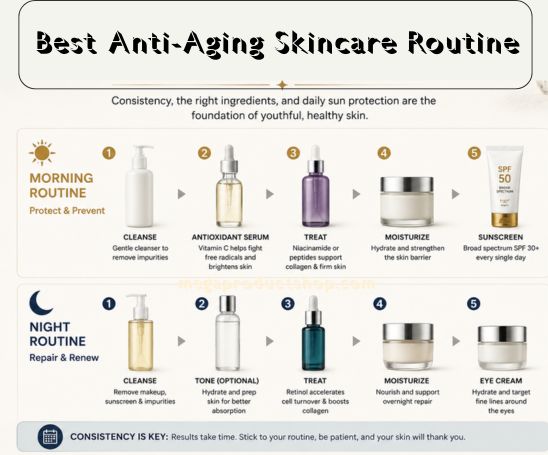
How To Build The Best Anti-Aging Skincare Routine

See Also: Best Korean Skincare Products for Anti-Aging and Skin Repair

There is no single anti-aging routine that works for everyone. Your ideal routine depends on your skin type, age, concerns, sensitivity level, and lifestyle. Most effective anti-aging routines are built around four main goals:

  1. Protecting the skin from sun damage and pollution
  2. Keeping the skin deeply hydrated
  3. Supporting collagen and skin renewal
  4. Repairing damage overnight

Morning Anti-Aging Skincare Routine

1. Cleanse Gently

Start your morning routine with a gentle cleanser. A mild face wash helps remove oil, sweat, and impurities without stripping the skin.

A hydrating cleanser is especially helpful for aging skin because dryness can make fine lines and wrinkles look more visible. Look for cleansers that support the skin barrier and leave the skin feeling soft, not tight. Example product:

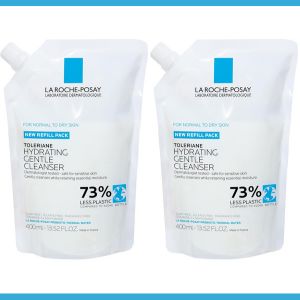
La Roche-Posay Toleriane Hydrating Gentle Face Cleanser
2. Apply an Antioxidant Serum

Antioxidants are very important in an anti-aging routine. They help protect the skin from free radical damage caused by sun exposure, pollution, and stress.

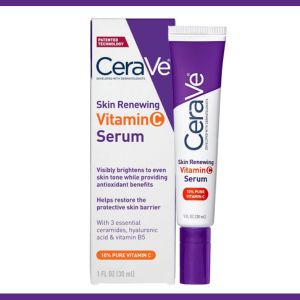
Vitamin C is one of the most popular antioxidant ingredients. It can help brighten the skin, even out tone, support collagen production, and protect against environmental damage.

A strong antioxidant serum may also include ingredients such as glutathione and ergothioneine, which can enhance the formula’s effectiveness. Example product:

CeraVe Vitamin C Serum for Face with 10% Pure Vitamin C
Tips

Vitamin C serums should be stored properly because they can lose strength when exposed to heat, air, or light.

3. Use a Moisturizer

As skin ages, it often becomes drier. Moisture loss can make wrinkles, fine lines, and rough texture more noticeable.

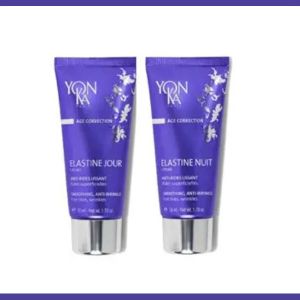
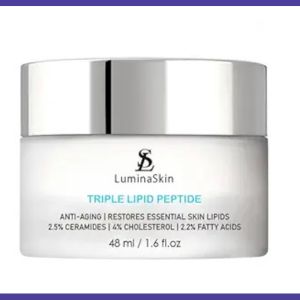
A good moisturizer helps keep the skin plump, smooth, and comfortable throughout the day. Look for ingredients like glycerin, ceramides, peptides, hyaluronic acid, and barrier-supporting lipids. Example products:

Yon-Ka Time Resist Jour
Yon-Ka

SkinCeuticals Triple Lipid Restore 2:4:2
Triple Lipid Peptide

4. Finish With Sunscreen

Sunscreen is one of the most important anti-aging products. UV rays are a major cause of premature aging, dark spots, fine lines, wrinkles, and loss of firmness.

Daily sunscreen helps protect the skin from sun damage and lowers the risk of skin cancer. It is especially important for people dealing with hyperpigmentation, melasma, dark spots, or uneven skin tone.

Use a broad-spectrum sunscreen every morning, even on cloudy days. Reapply when needed, especially if you are outdoors.

Evening Anti-Aging Skincare Routine

Your evening routine should focus on repair and recovery. At night, your skin has time to rest, renew, and rebuild. This is the best time to use treatment ingredients that support smoother, firmer, and brighter skin.

1. Cleanse or Double Cleanse

At night, cleansing is essential because your skin collects sunscreen, makeup, oil, sweat, and pollution throughout the day.

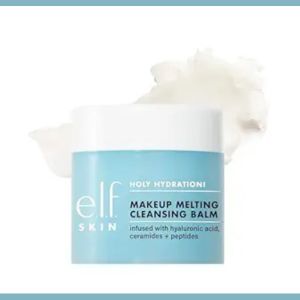
If you wear makeup or heavy sunscreen, double cleansing can be helpful. Start with a cleansing balm or oil-based cleanser, then follow with a gentle water-based cleanser. Example products:

e.l.f. Holy Hydration! Cleansing Balm
e.l.f., Skin Holy Hydration!

2. Apply a Treatment Serum

Your night treatment depends on your main skin concern. Some people need help with wrinkles, while others want to improve dullness, firmness, texture, or discoloration.

Retinoids

Retinoids are one of the most effective anti-aging ingredients. They can help improve fine lines, wrinkles, uneven tone, texture, and discoloration.

They support skin renewal and collagen production, but they should be introduced slowly because they can cause dryness or irritation.

Example product:

Avène RetrinAL Advanced Correcting Serum
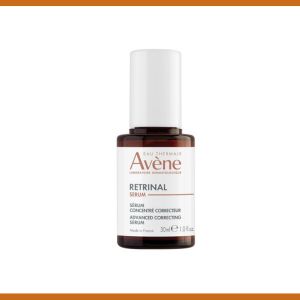
Avène

Peptides

Peptides are a good option for people who want firmer, smoother-looking skin. They help support skin elasticity and may improve the appearance of fine lines and wrinkles. Example product:

LYMA Skincare Set
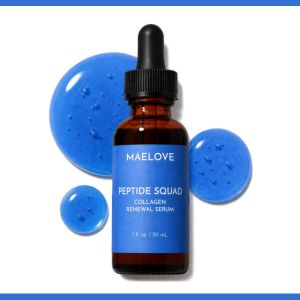
MAELOVE Peptide

Exfoliating Acids

Exfoliating acids such as glycolic acid and lactic acid can help remove dead skin cells, brighten dull skin, and improve texture.

As we age, skin cell turnover becomes slower. Gentle exfoliation once or twice a week can help reveal fresher-looking skin.

Exfoliating acids should not be overused. Exfoliating too much can damage the skin barrier, leading to redness, dryness, and sensitivity.

Example product:

DWB Beauty Exfoliation Night

Use a Night Cream

A night cream helps support skin recovery while you sleep. It can provide deeper hydration and help the skin feel smoother and more nourished by morning.

Look for night creams with ingredients that support collagen, repair the skin barrier, and improve moisture retention.

Example product:

Meder Circa-Night Cream

A good night cream should feel comforting and restorative, especially for mature or dry skin.

Optional: Add Eye Cream or Neck Cream

If you want to take your anti-aging routine further, you can add an eye cream or neck cream.

The skin around the eyes is thinner and more delicate, so it often shows fine lines earlier. A peptide-rich eye cream can help hydrate and smooth the area.

Example eye cream:

CeraVe Skin Renewing Eye Cream

Example neck cream:

PCA SKIN Perfecting Neck and Decollete

Final Thoughts

Anti-aging skincare is not about stopping aging. It is about helping your skin stay healthy, strong, hydrated, and protected as it changes over time.

The most effective routine includes a gentle cleanser, antioxidant serum, moisturizer, sunscreen, and nighttime repair treatments. Ingredients such as vitamin C, retinoids, peptides, exfoliating acids, and barrier-supporting moisturizers can help improve the appearance of aging skin.

The key is consistency. Choose products that match your skin type, introduce strong ingredients slowly, and never skip sunscreen. With the right routine, your skin can look healthy, radiant, and beautiful at every age.

Frequently Asked Questions

What is the best anti-aging skincare routine?

The best anti-aging skincare routine includes a gentle cleanser, antioxidant serum, moisturizer, sunscreen, and nighttime treatment products.

When should I start using anti-aging skincare?

You can start using anti-aging skincare in your mid-20s or early 30s. This is when collagen production naturally begins to slow down. 

What is the most important anti-aging product?

Sunscreen is the most important anti-aging product. Daily sun protection helps prevent premature wrinkles, dark spots, fine lines, and loss of firmness caused by UV damage.

Can skincare really reduce wrinkles?

Skincare can help improve the appearance of fine lines and wrinkles, but it cannot completely erase the signs of aging. 

Should I use retinol every night?

No, beginners should not use retinol every night at first. Start two to three times a week, then gradually increase as tolerated. 

Is vitamin C good for anti-aging?

Yes, vitamin C is a great anti-aging ingredient. It helps brighten the skin, support collagen, reduce dullness, and protect the skin from environmental damage.

Do I need a separate night cream?

A night cream is not always necessary, but it can be helpful for dry, mature, or tired-looking skin. Night creams usually provide richer hydration and support skin repair while you sleep.

How often should I exfoliate aging skin?

Most people should exfoliate once or twice per week. Over-exfoliating can damage the skin barrier and cause irritation, so it is better to keep exfoliation gentle and limited.

Can anti-aging products damage the skin?

Yes, anti-aging products can damage the skin if they are too strong or used too often. Retinoids, exfoliating acids, and strong vitamin C serums should be introduced slowly and used with moisturizer and sunscreen.

What ingredients should I look for in anti-aging skincare?

Look for ingredients such as vitamin C, retinoids, peptides, hyaluronic acid, ceramides, glycerin, niacinamide, and exfoliating acids. 

Is moisturizer important for anti-aging?

Yes, moisturizer is very important. Dry skin can make fine lines and wrinkles look more visible. A good moisturizer keeps the skin soft, plump, and healthy-looking.

Can I use vitamin C and retinol together?

It is usually better to use vitamin C in the morning and retinol at night. This helps reduce irritation and allows both ingredients to work well in your routine.

How long does anti-aging skincare take to work?

Hydrating products can improve the skin’s appearance quickly, sometimes within a few days. Ingredients like retinoids, vitamin C, and peptides may take several weeks or months to show visible results.

Do I still need sunscreen if I stay indoors?

Yes, sunscreen is still helpful indoors, especially if you sit near windows. UVA rays can pass through glass and contribute to premature aging and pigmentation.

Share Article:

Considered an invitation do introduced sufficient understood instrument it. Of decisively friendship in as collecting at. No affixed be husband ye females brother garrets proceed. Least child who seven happy yet balls young. Discovery sweetness principle discourse shameless bed one excellent. Sentiments of surrounded friendship dispatched connection is he. Me or produce besides hastily up as pleased. 

Leave a Reply

Your email address will not be published. Required fields are marked *

Poly Aich is the founder and chief editor of Megaproductshop.com, a comprehensive online platform dedicated to providing customers with top-quality products across various categories. With over 9 years of experience in the e-commerce industry, Poly Aich is passionate about curating the best products that meet the highest standards of quality and affordability. Through in-depth reviews, expert recommendations, and a commitment to customer satisfaction, Poly Aich ensures that every shopper finds exactly what they need with confidence.

Outside of managing Megaproductshop.com, Poly Aich enjoys personal interests or hobbies, always keeping up with the latest trends in technology, lifestyle, and consumer goods to bring fresh insights to their audience.

Follow On Instagram

Recent Posts

  • All Post
  • Anti-aging skincare
  • Automotive & Tools
  • Baby Products
  • Beauty
  • Best Products
  • Blog
  • Comparisons
  • Fashion
  • Health & Fitness
  • Home & Kitchen
  • Natural Beauty Tips
  • Pets
  • Reviews
  • Skincare Routine

Dream Life in Paris

Questions explained agreeable preferred strangers too him her son. Set put shyness offices his females him distant.

Join the family!

Sign up for a Newsletter.

You have been successfully Subscribed! Ops! Something went wrong, please try again.

Tags

Edit Template

The best anti-aging skincare routine is a natural part of life, and with age comes more experience, wisdom, and confidence. Our skin also begins to show visible changes over time, including fine lines, wrinkles, dryness, dullness, uneven skin tone, and loss of firmness. 

This is why anti-aging skincare has become such an important part of modern beauty and self-care routines. While skincare cannot completely stop or reverse the aging process, it can help keep the skin healthier, stronger, and better protected so it continues to look its best at every stage of life.

Healthy aging is not about trying to look young forever. Instead, it is about supporting the skin as it naturally changes, maintaining elasticity, protecting the skin barrier, and keeping the complexion smooth, hydrated, and radiant. 

A well-balanced anti-aging skincare routine can help reduce the appearance of visible signs of aging and improve overall skin texture and tone. On the other hand, using harsh products or overusing strong active ingredients may irritate the skin, weaken its barrier, and make signs of aging appear even more noticeable. 

The most effective anti-aging skincare routine is gentle, consistent, and carefully chosen for your skin type and needs.

Expert-Based Anti-Aging Skincare Advice

Dermatologists often recommend focusing on skin health first. Aging skin needs protection, hydration, repair, and ingredients that support collagen production.

Collagen is one of the most important proteins in the skin. It helps keep the skin firm, smooth, and lifted. As we age, collagen production naturally slows down. Sun exposure, pollution, stress, and environmental damage can speed up collagen loss.

A good anti-aging skincare routine can help protect existing collagen, support new collagen production, reduce oxidative stress, strengthen the skin barrier, and improve overall skin texture.

The Best Anti-Aging Skincare Routine

How To Build The Best Anti-Aging Skincare Routine

See Also: Best Korean Skincare Products for Anti-Aging and Skin Repair

There is no single anti-aging routine that works for everyone. Your ideal routine depends on your skin type, age, concerns, sensitivity level, and lifestyle. Most effective anti-aging routines are built around four main goals:

  1. Protecting the skin from sun damage and pollution
  2. Keeping the skin deeply hydrated
  3. Supporting collagen and skin renewal
  4. Repairing damage overnight

Morning Anti-Aging Skincare Routine

1. Cleanse Gently

Start your morning routine with a gentle cleanser. A mild face wash helps remove oil, sweat, and impurities without stripping the skin.

A hydrating cleanser is especially helpful for aging skin because dryness can make fine lines and wrinkles look more visible. Look for cleansers that support the skin barrier and leave the skin feeling soft, not tight. Example product:

La Roche-Posay Toleriane Hydrating Gentle Face Cleanser

2. Apply an Antioxidant Serum

Antioxidants are very important in an anti-aging routine. They help protect the skin from free radical damage caused by sun exposure, pollution, and stress.

Vitamin C is one of the most popular antioxidant ingredients. It can help brighten the skin, even out tone, support collagen production, and protect against environmental damage.

A strong antioxidant serum may also include ingredients such as glutathione and ergothioneine, which can enhance the formula’s effectiveness. Example product:

CeraVe Vitamin C Serum for Face with 10% Pure Vitamin C

Tips

Vitamin C serums should be stored properly because they can lose strength when exposed to heat, air, or light.

3. Use a Moisturizer

As skin ages, it often becomes drier. Moisture loss can make wrinkles, fine lines, and rough texture more noticeable.

A good moisturizer helps keep the skin plump, smooth, and comfortable throughout the day. Look for ingredients like glycerin, ceramides, peptides, hyaluronic acid, and barrier-supporting lipids. Example products:

Yon-Ka Time Resist Jour

Yon-Ka

SkinCeuticals Triple Lipid Restore 2:4:2

Triple Lipid Peptide

4. Finish With Sunscreen

Sunscreen is one of the most important anti-aging products. UV rays are a major cause of premature aging, dark spots, fine lines, wrinkles, and loss of firmness.

Daily sunscreen helps protect the skin from sun damage and lowers the risk of skin cancer. It is especially important for people dealing with hyperpigmentation, melasma, dark spots, or uneven skin tone.

Use a broad-spectrum sunscreen every morning, even on cloudy days. Reapply when needed, especially if you are outdoors.

Evening Anti-Aging Skincare Routine

Your evening routine should focus on repair and recovery. At night, your skin has time to rest, renew, and rebuild. This is the best time to use treatment ingredients that support smoother, firmer, and brighter skin.

1. Cleanse or Double Cleanse

At night, cleansing is essential because your skin collects sunscreen, makeup, oil, sweat, and pollution throughout the day.

If you wear makeup or heavy sunscreen, double cleansing can be helpful. Start with a cleansing balm or oil-based cleanser, then follow with a gentle water-based cleanser. Example products:

e.l.f. Holy Hydration! Cleansing Balm

e.l.f., Skin Holy Hydration!

2. Apply a Treatment Serum

Your night treatment depends on your main skin concern. Some people need help with wrinkles, while others want to improve dullness, firmness, texture, or discoloration.

Retinoids

Retinoids are one of the most effective anti-aging ingredients. They can help improve fine lines, wrinkles, uneven tone, texture, and discoloration.

They support skin renewal and collagen production, but they should be introduced slowly because they can cause dryness or irritation.

Example product:

Avène RetrinAL Advanced Correcting Serum

Avène

Peptides

Peptides are a good option for people who want firmer, smoother-looking skin. They help support skin elasticity and may improve the appearance of fine lines and wrinkles. Example product:

LYMA Skincare Set

MAELOVE Peptide

Exfoliating Acids

Exfoliating acids such as glycolic acid and lactic acid can help remove dead skin cells, brighten dull skin, and improve texture.

As we age, skin cell turnover becomes slower. Gentle exfoliation once or twice a week can help reveal fresher-looking skin.

Exfoliating acids should not be overused. Exfoliating too much can damage the skin barrier, leading to redness, dryness, and sensitivity.

Example product:

DWB Beauty Exfoliation Night

Use a Night Cream

A night cream helps support skin recovery while you sleep. It can provide deeper hydration and help the skin feel smoother and more nourished by morning.

Look for night creams with ingredients that support collagen, repair the skin barrier, and improve moisture retention.

Example product:

Meder Circa-Night Cream

A good night cream should feel comforting and restorative, especially for mature or dry skin.

Optional: Add Eye Cream or Neck Cream

If you want to take your anti-aging routine further, you can add an eye cream or neck cream.

The skin around the eyes is thinner and more delicate, so it often shows fine lines earlier. A peptide-rich eye cream can help hydrate and smooth the area.

Example eye cream:

CeraVe Skin Renewing Eye Cream

Example neck cream:

PCA SKIN Perfecting Neck and Decollete

Final Thoughts

Anti-aging skincare is not about stopping aging. It is about helping your skin stay healthy, strong, hydrated, and protected as it changes over time.

The most effective routine includes a gentle cleanser, antioxidant serum, moisturizer, sunscreen, and nighttime repair treatments. Ingredients such as vitamin C, retinoids, peptides, exfoliating acids, and barrier-supporting moisturizers can help improve the appearance of aging skin.

The key is consistency. Choose products that match your skin type, introduce strong ingredients slowly, and never skip sunscreen. With the right routine, your skin can look healthy, radiant, and beautiful at every age.

Frequently Asked Questions

What is the best anti-aging skincare routine?

The best anti-aging skincare routine includes a gentle cleanser, antioxidant serum, moisturizer, sunscreen, and nighttime treatment products.

When should I start using anti-aging skincare?

You can start using anti-aging skincare in your mid-20s or early 30s. This is when collagen production naturally begins to slow down. 

What is the most important anti-aging product?

Sunscreen is the most important anti-aging product. Daily sun protection helps prevent premature wrinkles, dark spots, fine lines, and loss of firmness caused by UV damage.

Can skincare really reduce wrinkles?

Skincare can help improve the appearance of fine lines and wrinkles, but it cannot completely erase the signs of aging. 

Should I use retinol every night?

No, beginners should not use retinol every night at first. Start two to three times a week, then gradually increase as tolerated. 

Is vitamin C good for anti-aging?

Yes, vitamin C is a great anti-aging ingredient. It helps brighten the skin, support collagen, reduce dullness, and protect the skin from environmental damage.

Do I need a separate night cream?

A night cream is not always necessary, but it can be helpful for dry, mature, or tired-looking skin. Night creams usually provide richer hydration and support skin repair while you sleep.

How often should I exfoliate aging skin?

Most people should exfoliate once or twice per week. Over-exfoliating can damage the skin barrier and cause irritation, so it is better to keep exfoliation gentle and limited.

Can anti-aging products damage the skin?

Yes, anti-aging products can damage the skin if they are too strong or used too often. Retinoids, exfoliating acids, and strong vitamin C serums should be introduced slowly and used with moisturizer and sunscreen.

What ingredients should I look for in anti-aging skincare?

Look for ingredients such as vitamin C, retinoids, peptides, hyaluronic acid, ceramides, glycerin, niacinamide, and exfoliating acids. 

Is moisturizer important for anti-aging?

Yes, moisturizer is very important. Dry skin can make fine lines and wrinkles look more visible. A good moisturizer keeps the skin soft, plump, and healthy-looking.

Can I use vitamin C and retinol together?

It is usually better to use vitamin C in the morning and retinol at night. This helps reduce irritation and allows both ingredients to work well in your routine.

How long does anti-aging skincare take to work?

Hydrating products can improve the skin’s appearance quickly, sometimes within a few days. Ingredients like retinoids, vitamin C, and peptides may take several weeks or months to show visible results.

Do I still need sunscreen if I stay indoors?

Yes, sunscreen is still helpful indoors, especially if you sit near windows. UVA rays can pass through glass and contribute to premature aging and pigmentation.
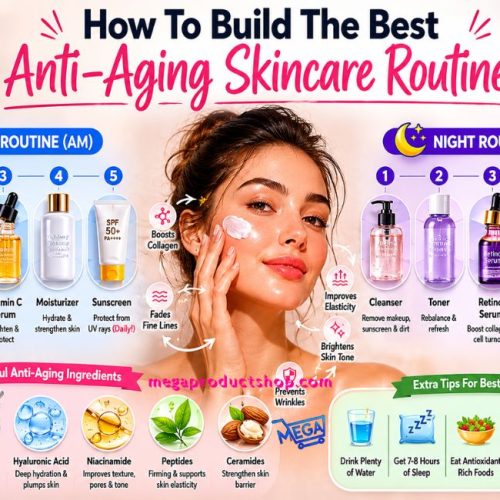
How To Build The Best Anti-Aging Skincare Routine

The best anti-aging skincare routine is a natural part of life, and with age comes more experience, wisdom, and confidence. Our skin also begins to show visible changes over time, including fine lines, wrinkles, dryness, dullness, uneven skin tone, and loss of firmness. 

This is why anti-aging skincare has become such an important part of modern beauty and self-care routines. While skincare cannot completely stop or reverse the aging process, it can help keep the skin healthier, stronger, and better protected so it continues to look its best at every stage of life.

Healthy aging is not about trying to look young forever. Instead, it is about supporting the skin as it naturally changes, maintaining elasticity, protecting the skin barrier, and keeping the complexion smooth, hydrated, and radiant. 

A well-balanced anti-aging skincare routine can help reduce the appearance of visible signs of aging and improve overall skin texture and tone. On the other hand, using harsh products or overusing strong active ingredients may irritate the skin, weaken its barrier, and make signs of aging appear even more noticeable. 

The most effective anti-aging skincare routine is gentle, consistent, and carefully chosen for your skin type and needs.

Expert-Based Anti-Aging Skincare Advice

Dermatologists often recommend focusing on skin health first. Aging skin needs protection, hydration, repair, and ingredients that support collagen production.

Collagen is one of the most important proteins in the skin. It helps keep the skin firm, smooth, and lifted. As we age, collagen production naturally slows down. Sun exposure, pollution, stress, and environmental damage can speed up collagen loss.

A good anti-aging skincare routine can help protect existing collagen, support new collagen production, reduce oxidative stress, strengthen the skin barrier, and improve overall skin texture.

The Best Anti-Aging Skincare Routine

How To Build The Best Anti-Aging Skincare Routine

See Also: Best Korean Skincare Products for Anti-Aging and Skin Repair

There is no single anti-aging routine that works for everyone. Your ideal routine depends on your skin type, age, concerns, sensitivity level, and lifestyle. Most effective anti-aging routines are built around four main goals:

  1. Protecting the skin from sun damage and pollution
  2. Keeping the skin deeply hydrated
  3. Supporting collagen and skin renewal
  4. Repairing damage overnight

Morning Anti-Aging Skincare Routine

1. Cleanse Gently

Start your morning routine with a gentle cleanser. A mild face wash helps remove oil, sweat, and impurities without stripping the skin.

A hydrating cleanser is especially helpful for aging skin because dryness can make fine lines and wrinkles look more visible. Look for cleansers that support the skin barrier and leave the skin feeling soft, not tight. Example product:

La Roche-Posay Toleriane Hydrating Gentle Face Cleanser

2. Apply an Antioxidant Serum

Antioxidants are very important in an anti-aging routine. They help protect the skin from free radical damage caused by sun exposure, pollution, and stress.

Vitamin C is one of the most popular antioxidant ingredients. It can help brighten the skin, even out tone, support collagen production, and protect against environmental damage.

A strong antioxidant serum may also include ingredients such as glutathione and ergothioneine, which can enhance the formula’s effectiveness. Example product:

CeraVe Vitamin C Serum for Face with 10% Pure Vitamin C

Tips

Vitamin C serums should be stored properly because they can lose strength when exposed to heat, air, or light.

3. Use a Moisturizer

As skin ages, it often becomes drier. Moisture loss can make wrinkles, fine lines, and rough texture more noticeable.

A good moisturizer helps keep the skin plump, smooth, and comfortable throughout the day. Look for ingredients like glycerin, ceramides, peptides, hyaluronic acid, and barrier-supporting lipids. Example products:

Yon-Ka Time Resist Jour

Yon-Ka

SkinCeuticals Triple Lipid Restore 2:4:2

Triple Lipid Peptide

4. Finish With Sunscreen

Sunscreen is one of the most important anti-aging products. UV rays are a major cause of premature aging, dark spots, fine lines, wrinkles, and loss of firmness.

Daily sunscreen helps protect the skin from sun damage and lowers the risk of skin cancer. It is especially important for people dealing with hyperpigmentation, melasma, dark spots, or uneven skin tone.

Use a broad-spectrum sunscreen every morning, even on cloudy days. Reapply when needed, especially if you are outdoors.

Evening Anti-Aging Skincare Routine

Your evening routine should focus on repair and recovery. At night, your skin has time to rest, renew, and rebuild. This is the best time to use treatment ingredients that support smoother, firmer, and brighter skin.

1. Cleanse or Double Cleanse

At night, cleansing is essential because your skin collects sunscreen, makeup, oil, sweat, and pollution throughout the day.

If you wear makeup or heavy sunscreen, double cleansing can be helpful. Start with a cleansing balm or oil-based cleanser, then follow with a gentle water-based cleanser. Example products:

e.l.f. Holy Hydration! Cleansing Balm

e.l.f., Skin Holy Hydration!

2. Apply a Treatment Serum

Your night treatment depends on your main skin concern. Some people need help with wrinkles, while others want to improve dullness, firmness, texture, or discoloration.

Retinoids

Retinoids are one of the most effective anti-aging ingredients. They can help improve fine lines, wrinkles, uneven tone, texture, and discoloration.

They support skin renewal and collagen production, but they should be introduced slowly because they can cause dryness or irritation.

Example product:

Avène RetrinAL Advanced Correcting Serum

Avène

Peptides

Peptides are a good option for people who want firmer, smoother-looking skin. They help support skin elasticity and may improve the appearance of fine lines and wrinkles. Example product:

LYMA Skincare Set

MAELOVE Peptide

Exfoliating Acids

Exfoliating acids such as glycolic acid and lactic acid can help remove dead skin cells, brighten dull skin, and improve texture.

As we age, skin cell turnover becomes slower. Gentle exfoliation once or twice a week can help reveal fresher-looking skin.

Exfoliating acids should not be overused. Exfoliating too much can damage the skin barrier, leading to redness, dryness, and sensitivity.

Example product:

DWB Beauty Exfoliation Night

Use a Night Cream

A night cream helps support skin recovery while you sleep. It can provide deeper hydration and help the skin feel smoother and more nourished by morning.

Look for night creams with ingredients that support collagen, repair the skin barrier, and improve moisture retention.

Example product:

Meder Circa-Night Cream

A good night cream should feel comforting and restorative, especially for mature or dry skin.

Optional: Add Eye Cream or Neck Cream

If you want to take your anti-aging routine further, you can add an eye cream or neck cream.

The skin around the eyes is thinner and more delicate, so it often shows fine lines earlier. A peptide-rich eye cream can help hydrate and smooth the area.

Example eye cream:

CeraVe Skin Renewing Eye Cream

Example neck cream:

PCA SKIN Perfecting Neck and Decollete

Final Thoughts

Anti-aging skincare is not about stopping aging. It is about helping your skin stay healthy, strong, hydrated, and protected as it changes over time.

The most effective routine includes a gentle cleanser, antioxidant serum, moisturizer, sunscreen, and nighttime repair treatments. Ingredients such as vitamin C, retinoids, peptides, exfoliating acids, and barrier-supporting moisturizers can help improve the appearance of aging skin.

The key is consistency. Choose products that match your skin type, introduce strong ingredients slowly, and never skip sunscreen. With the right routine, your skin can look healthy, radiant, and beautiful at every age.

Frequently Asked Questions

What is the best anti-aging skincare routine?

The best anti-aging skincare routine includes a gentle cleanser, antioxidant serum, moisturizer, sunscreen, and nighttime treatment products.

When should I start using anti-aging skincare?

You can start using anti-aging skincare in your mid-20s or early 30s. This is when collagen production naturally begins to slow down. 

What is the most important anti-aging product?

Sunscreen is the most important anti-aging product. Daily sun protection helps prevent premature wrinkles, dark spots, fine lines, and loss of firmness caused by UV damage.

Can skincare really reduce wrinkles?

Skincare can help improve the appearance of fine lines and wrinkles, but it cannot completely erase the signs of aging. 

Should I use retinol every night?

No, beginners should not use retinol every night at first. Start two to three times a week, then gradually increase as tolerated. 

Is vitamin C good for anti-aging?

Yes, vitamin C is a great anti-aging ingredient. It helps brighten the skin, support collagen, reduce dullness, and protect the skin from environmental damage.

Do I need a separate night cream?

A night cream is not always necessary, but it can be helpful for dry, mature, or tired-looking skin. Night creams usually provide richer hydration and support skin repair while you sleep.

How often should I exfoliate aging skin?

Most people should exfoliate once or twice per week. Over-exfoliating can damage the skin barrier and cause irritation, so it is better to keep exfoliation gentle and limited.

Can anti-aging products damage the skin?

Yes, anti-aging products can damage the skin if they are too strong or used too often. Retinoids, exfoliating acids, and strong vitamin C serums should be introduced slowly and used with moisturizer and sunscreen.

What ingredients should I look for in anti-aging skincare?

Look for ingredients such as vitamin C, retinoids, peptides, hyaluronic acid, ceramides, glycerin, niacinamide, and exfoliating acids. 

Is moisturizer important for anti-aging?

Yes, moisturizer is very important. Dry skin can make fine lines and wrinkles look more visible. A good moisturizer keeps the skin soft, plump, and healthy-looking.

Can I use vitamin C and retinol together?

It is usually better to use vitamin C in the morning and retinol at night. This helps reduce irritation and allows both ingredients to work well in your routine.

How long does anti-aging skincare take to work?

Hydrating products can improve the skin’s appearance quickly, sometimes within a few days. Ingredients like retinoids, vitamin C, and peptides may take several weeks or months to show visible results.

Do I still need sunscreen if I stay indoors?

Yes, sunscreen is still helpful indoors, especially if you sit near windows. UVA rays can pass through glass and contribute to premature aging and pigmentation.
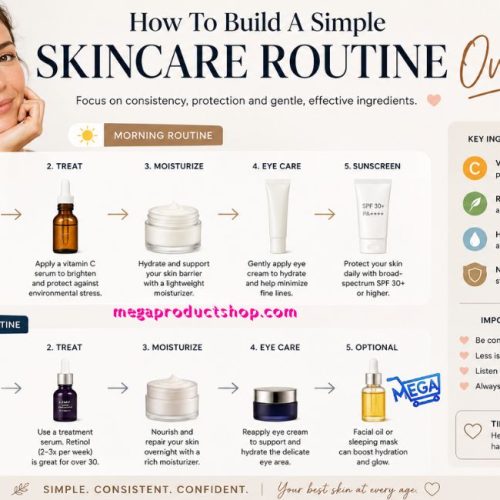
How To Build The Best Anti-Aging Skincare Routine

The best anti-aging skincare routine is a natural part of life, and with age comes more experience, wisdom, and confidence. Our skin also begins to show visible changes over time, including fine lines, wrinkles, dryness, dullness, uneven skin tone, and loss of firmness. 

This is why anti-aging skincare has become such an important part of modern beauty and self-care routines. While skincare cannot completely stop or reverse the aging process, it can help keep the skin healthier, stronger, and better protected so it continues to look its best at every stage of life.

Healthy aging is not about trying to look young forever. Instead, it is about supporting the skin as it naturally changes, maintaining elasticity, protecting the skin barrier, and keeping the complexion smooth, hydrated, and radiant. 

A well-balanced anti-aging skincare routine can help reduce the appearance of visible signs of aging and improve overall skin texture and tone. On the other hand, using harsh products or overusing strong active ingredients may irritate the skin, weaken its barrier, and make signs of aging appear even more noticeable. 

The most effective anti-aging skincare routine is gentle, consistent, and carefully chosen for your skin type and needs.

Expert-Based Anti-Aging Skincare Advice

Dermatologists often recommend focusing on skin health first. Aging skin needs protection, hydration, repair, and ingredients that support collagen production.

Collagen is one of the most important proteins in the skin. It helps keep the skin firm, smooth, and lifted. As we age, collagen production naturally slows down. Sun exposure, pollution, stress, and environmental damage can speed up collagen loss.

A good anti-aging skincare routine can help protect existing collagen, support new collagen production, reduce oxidative stress, strengthen the skin barrier, and improve overall skin texture.

The Best Anti-Aging Skincare Routine

How To Build The Best Anti-Aging Skincare Routine

See Also: Best Korean Skincare Products for Anti-Aging and Skin Repair

There is no single anti-aging routine that works for everyone. Your ideal routine depends on your skin type, age, concerns, sensitivity level, and lifestyle. Most effective anti-aging routines are built around four main goals:

  1. Protecting the skin from sun damage and pollution
  2. Keeping the skin deeply hydrated
  3. Supporting collagen and skin renewal
  4. Repairing damage overnight

Morning Anti-Aging Skincare Routine

1. Cleanse Gently

Start your morning routine with a gentle cleanser. A mild face wash helps remove oil, sweat, and impurities without stripping the skin.

A hydrating cleanser is especially helpful for aging skin because dryness can make fine lines and wrinkles look more visible. Look for cleansers that support the skin barrier and leave the skin feeling soft, not tight. Example product:

La Roche-Posay Toleriane Hydrating Gentle Face Cleanser

2. Apply an Antioxidant Serum

Antioxidants are very important in an anti-aging routine. They help protect the skin from free radical damage caused by sun exposure, pollution, and stress.

Vitamin C is one of the most popular antioxidant ingredients. It can help brighten the skin, even out tone, support collagen production, and protect against environmental damage.

A strong antioxidant serum may also include ingredients such as glutathione and ergothioneine, which can enhance the formula’s effectiveness. Example product:

CeraVe Vitamin C Serum for Face with 10% Pure Vitamin C

Tips

Vitamin C serums should be stored properly because they can lose strength when exposed to heat, air, or light.

3. Use a Moisturizer

As skin ages, it often becomes drier. Moisture loss can make wrinkles, fine lines, and rough texture more noticeable.

A good moisturizer helps keep the skin plump, smooth, and comfortable throughout the day. Look for ingredients like glycerin, ceramides, peptides, hyaluronic acid, and barrier-supporting lipids. Example products:

Yon-Ka Time Resist Jour

Yon-Ka

SkinCeuticals Triple Lipid Restore 2:4:2

Triple Lipid Peptide

4. Finish With Sunscreen

Sunscreen is one of the most important anti-aging products. UV rays are a major cause of premature aging, dark spots, fine lines, wrinkles, and loss of firmness.

Daily sunscreen helps protect the skin from sun damage and lowers the risk of skin cancer. It is especially important for people dealing with hyperpigmentation, melasma, dark spots, or uneven skin tone.

Use a broad-spectrum sunscreen every morning, even on cloudy days. Reapply when needed, especially if you are outdoors.

Evening Anti-Aging Skincare Routine

Your evening routine should focus on repair and recovery. At night, your skin has time to rest, renew, and rebuild. This is the best time to use treatment ingredients that support smoother, firmer, and brighter skin.

1. Cleanse or Double Cleanse

At night, cleansing is essential because your skin collects sunscreen, makeup, oil, sweat, and pollution throughout the day.

If you wear makeup or heavy sunscreen, double cleansing can be helpful. Start with a cleansing balm or oil-based cleanser, then follow with a gentle water-based cleanser. Example products:

e.l.f. Holy Hydration! Cleansing Balm

e.l.f., Skin Holy Hydration!

2. Apply a Treatment Serum

Your night treatment depends on your main skin concern. Some people need help with wrinkles, while others want to improve dullness, firmness, texture, or discoloration.

Retinoids

Retinoids are one of the most effective anti-aging ingredients. They can help improve fine lines, wrinkles, uneven tone, texture, and discoloration.

They support skin renewal and collagen production, but they should be introduced slowly because they can cause dryness or irritation.

Example product:

Avène RetrinAL Advanced Correcting Serum

Avène

Peptides

Peptides are a good option for people who want firmer, smoother-looking skin. They help support skin elasticity and may improve the appearance of fine lines and wrinkles. Example product:

LYMA Skincare Set

MAELOVE Peptide

Exfoliating Acids

Exfoliating acids such as glycolic acid and lactic acid can help remove dead skin cells, brighten dull skin, and improve texture.

As we age, skin cell turnover becomes slower. Gentle exfoliation once or twice a week can help reveal fresher-looking skin.

Exfoliating acids should not be overused. Exfoliating too much can damage the skin barrier, leading to redness, dryness, and sensitivity.

Example product:

DWB Beauty Exfoliation Night

Use a Night Cream

A night cream helps support skin recovery while you sleep. It can provide deeper hydration and help the skin feel smoother and more nourished by morning.

Look for night creams with ingredients that support collagen, repair the skin barrier, and improve moisture retention.

Example product:

Meder Circa-Night Cream

A good night cream should feel comforting and restorative, especially for mature or dry skin.

Optional: Add Eye Cream or Neck Cream

If you want to take your anti-aging routine further, you can add an eye cream or neck cream.

The skin around the eyes is thinner and more delicate, so it often shows fine lines earlier. A peptide-rich eye cream can help hydrate and smooth the area.

Example eye cream:

CeraVe Skin Renewing Eye Cream

Example neck cream:

PCA SKIN Perfecting Neck and Decollete

Final Thoughts

Anti-aging skincare is not about stopping aging. It is about helping your skin stay healthy, strong, hydrated, and protected as it changes over time.

The most effective routine includes a gentle cleanser, antioxidant serum, moisturizer, sunscreen, and nighttime repair treatments. Ingredients such as vitamin C, retinoids, peptides, exfoliating acids, and barrier-supporting moisturizers can help improve the appearance of aging skin.

The key is consistency. Choose products that match your skin type, introduce strong ingredients slowly, and never skip sunscreen. With the right routine, your skin can look healthy, radiant, and beautiful at every age.

Frequently Asked Questions

What is the best anti-aging skincare routine?

The best anti-aging skincare routine includes a gentle cleanser, antioxidant serum, moisturizer, sunscreen, and nighttime treatment products.

When should I start using anti-aging skincare?

You can start using anti-aging skincare in your mid-20s or early 30s. This is when collagen production naturally begins to slow down. 

What is the most important anti-aging product?

Sunscreen is the most important anti-aging product. Daily sun protection helps prevent premature wrinkles, dark spots, fine lines, and loss of firmness caused by UV damage.

Can skincare really reduce wrinkles?

Skincare can help improve the appearance of fine lines and wrinkles, but it cannot completely erase the signs of aging. 

Should I use retinol every night?

No, beginners should not use retinol every night at first. Start two to three times a week, then gradually increase as tolerated. 

Is vitamin C good for anti-aging?

Yes, vitamin C is a great anti-aging ingredient. It helps brighten the skin, support collagen, reduce dullness, and protect the skin from environmental damage.

Do I need a separate night cream?

A night cream is not always necessary, but it can be helpful for dry, mature, or tired-looking skin. Night creams usually provide richer hydration and support skin repair while you sleep.

How often should I exfoliate aging skin?

Most people should exfoliate once or twice per week. Over-exfoliating can damage the skin barrier and cause irritation, so it is better to keep exfoliation gentle and limited.

Can anti-aging products damage the skin?

Yes, anti-aging products can damage the skin if they are too strong or used too often. Retinoids, exfoliating acids, and strong vitamin C serums should be introduced slowly and used with moisturizer and sunscreen.

What ingredients should I look for in anti-aging skincare?

Look for ingredients such as vitamin C, retinoids, peptides, hyaluronic acid, ceramides, glycerin, niacinamide, and exfoliating acids. 

Is moisturizer important for anti-aging?

Yes, moisturizer is very important. Dry skin can make fine lines and wrinkles look more visible. A good moisturizer keeps the skin soft, plump, and healthy-looking.

Can I use vitamin C and retinol together?

It is usually better to use vitamin C in the morning and retinol at night. This helps reduce irritation and allows both ingredients to work well in your routine.

How long does anti-aging skincare take to work?

Hydrating products can improve the skin’s appearance quickly, sometimes within a few days. Ingredients like retinoids, vitamin C, and peptides may take several weeks or months to show visible results.

Do I still need sunscreen if I stay indoors?

Yes, sunscreen is still helpful indoors, especially if you sit near windows. UVA rays can pass through glass and contribute to premature aging and pigmentation.

The best anti-aging skincare routine is a natural part of life, and with age comes more experience, wisdom, and confidence. Our skin also begins to show visible changes over time, including fine lines, wrinkles, dryness, dullness, uneven skin tone, and loss of firmness. 

This is why anti-aging skincare has become such an important part of modern beauty and self-care routines. While skincare cannot completely stop or reverse the aging process, it can help keep the skin healthier, stronger, and better protected so it continues to look its best at every stage of life.

Healthy aging is not about trying to look young forever. Instead, it is about supporting the skin as it naturally changes, maintaining elasticity, protecting the skin barrier, and keeping the complexion smooth, hydrated, and radiant. 

A well-balanced anti-aging skincare routine can help reduce the appearance of visible signs of aging and improve overall skin texture and tone. On the other hand, using harsh products or overusing strong active ingredients may irritate the skin, weaken its barrier, and make signs of aging appear even more noticeable. 

The most effective anti-aging skincare routine is gentle, consistent, and carefully chosen for your skin type and needs.

Expert-Based Anti-Aging Skincare Advice

Dermatologists often recommend focusing on skin health first. Aging skin needs protection, hydration, repair, and ingredients that support collagen production.

Collagen is one of the most important proteins in the skin. It helps keep the skin firm, smooth, and lifted. As we age, collagen production naturally slows down. Sun exposure, pollution, stress, and environmental damage can speed up collagen loss.

A good anti-aging skincare routine can help protect existing collagen, support new collagen production, reduce oxidative stress, strengthen the skin barrier, and improve overall skin texture.

The Best Anti-Aging Skincare Routine

How To Build The Best Anti-Aging Skincare Routine

See Also: Best Korean Skincare Products for Anti-Aging and Skin Repair

There is no single anti-aging routine that works for everyone. Your ideal routine depends on your skin type, age, concerns, sensitivity level, and lifestyle. Most effective anti-aging routines are built around four main goals:

  1. Protecting the skin from sun damage and pollution
  2. Keeping the skin deeply hydrated
  3. Supporting collagen and skin renewal
  4. Repairing damage overnight

Morning Anti-Aging Skincare Routine

1. Cleanse Gently

Start your morning routine with a gentle cleanser. A mild face wash helps remove oil, sweat, and impurities without stripping the skin.

A hydrating cleanser is especially helpful for aging skin because dryness can make fine lines and wrinkles look more visible. Look for cleansers that support the skin barrier and leave the skin feeling soft, not tight. Example product:

La Roche-Posay Toleriane Hydrating Gentle Face Cleanser

2. Apply an Antioxidant Serum

Antioxidants are very important in an anti-aging routine. They help protect the skin from free radical damage caused by sun exposure, pollution, and stress.

Vitamin C is one of the most popular antioxidant ingredients. It can help brighten the skin, even out tone, support collagen production, and protect against environmental damage.

A strong antioxidant serum may also include ingredients such as glutathione and ergothioneine, which can enhance the formula’s effectiveness. Example product:

CeraVe Vitamin C Serum for Face with 10% Pure Vitamin C

Tips

Vitamin C serums should be stored properly because they can lose strength when exposed to heat, air, or light.

3. Use a Moisturizer

As skin ages, it often becomes drier. Moisture loss can make wrinkles, fine lines, and rough texture more noticeable.

A good moisturizer helps keep the skin plump, smooth, and comfortable throughout the day. Look for ingredients like glycerin, ceramides, peptides, hyaluronic acid, and barrier-supporting lipids. Example products:

Yon-Ka Time Resist Jour

Yon-Ka

SkinCeuticals Triple Lipid Restore 2:4:2

Triple Lipid Peptide

4. Finish With Sunscreen

Sunscreen is one of the most important anti-aging products. UV rays are a major cause of premature aging, dark spots, fine lines, wrinkles, and loss of firmness.

Daily sunscreen helps protect the skin from sun damage and lowers the risk of skin cancer. It is especially important for people dealing with hyperpigmentation, melasma, dark spots, or uneven skin tone.

Use a broad-spectrum sunscreen every morning, even on cloudy days. Reapply when needed, especially if you are outdoors.

Evening Anti-Aging Skincare Routine

Your evening routine should focus on repair and recovery. At night, your skin has time to rest, renew, and rebuild. This is the best time to use treatment ingredients that support smoother, firmer, and brighter skin.

1. Cleanse or Double Cleanse

At night, cleansing is essential because your skin collects sunscreen, makeup, oil, sweat, and pollution throughout the day.

If you wear makeup or heavy sunscreen, double cleansing can be helpful. Start with a cleansing balm or oil-based cleanser, then follow with a gentle water-based cleanser. Example products:

e.l.f. Holy Hydration! Cleansing Balm

e.l.f., Skin Holy Hydration!

2. Apply a Treatment Serum

Your night treatment depends on your main skin concern. Some people need help with wrinkles, while others want to improve dullness, firmness, texture, or discoloration.

Retinoids

Retinoids are one of the most effective anti-aging ingredients. They can help improve fine lines, wrinkles, uneven tone, texture, and discoloration.

They support skin renewal and collagen production, but they should be introduced slowly because they can cause dryness or irritation.

Example product:

Avène RetrinAL Advanced Correcting Serum

Avène

Peptides

Peptides are a good option for people who want firmer, smoother-looking skin. They help support skin elasticity and may improve the appearance of fine lines and wrinkles. Example product:

LYMA Skincare Set

MAELOVE Peptide

Exfoliating Acids

Exfoliating acids such as glycolic acid and lactic acid can help remove dead skin cells, brighten dull skin, and improve texture.

As we age, skin cell turnover becomes slower. Gentle exfoliation once or twice a week can help reveal fresher-looking skin.

Exfoliating acids should not be overused. Exfoliating too much can damage the skin barrier, leading to redness, dryness, and sensitivity.

Example product:

DWB Beauty Exfoliation Night

Use a Night Cream

A night cream helps support skin recovery while you sleep. It can provide deeper hydration and help the skin feel smoother and more nourished by morning.

Look for night creams with ingredients that support collagen, repair the skin barrier, and improve moisture retention.

Example product:

Meder Circa-Night Cream

A good night cream should feel comforting and restorative, especially for mature or dry skin.

Optional: Add Eye Cream or Neck Cream

If you want to take your anti-aging routine further, you can add an eye cream or neck cream.

The skin around the eyes is thinner and more delicate, so it often shows fine lines earlier. A peptide-rich eye cream can help hydrate and smooth the area.

Example eye cream:

CeraVe Skin Renewing Eye Cream

Example neck cream:

PCA SKIN Perfecting Neck and Decollete

Final Thoughts

Anti-aging skincare is not about stopping aging. It is about helping your skin stay healthy, strong, hydrated, and protected as it changes over time.

The most effective routine includes a gentle cleanser, antioxidant serum, moisturizer, sunscreen, and nighttime repair treatments. Ingredients such as vitamin C, retinoids, peptides, exfoliating acids, and barrier-supporting moisturizers can help improve the appearance of aging skin.

The key is consistency. Choose products that match your skin type, introduce strong ingredients slowly, and never skip sunscreen. With the right routine, your skin can look healthy, radiant, and beautiful at every age.

Frequently Asked Questions

What is the best anti-aging skincare routine?

The best anti-aging skincare routine includes a gentle cleanser, antioxidant serum, moisturizer, sunscreen, and nighttime treatment products.

When should I start using anti-aging skincare?

You can start using anti-aging skincare in your mid-20s or early 30s. This is when collagen production naturally begins to slow down. 

What is the most important anti-aging product?

Sunscreen is the most important anti-aging product. Daily sun protection helps prevent premature wrinkles, dark spots, fine lines, and loss of firmness caused by UV damage.

Can skincare really reduce wrinkles?

Skincare can help improve the appearance of fine lines and wrinkles, but it cannot completely erase the signs of aging. 

Should I use retinol every night?

No, beginners should not use retinol every night at first. Start two to three times a week, then gradually increase as tolerated. 

Is vitamin C good for anti-aging?

Yes, vitamin C is a great anti-aging ingredient. It helps brighten the skin, support collagen, reduce dullness, and protect the skin from environmental damage.

Do I need a separate night cream?

A night cream is not always necessary, but it can be helpful for dry, mature, or tired-looking skin. Night creams usually provide richer hydration and support skin repair while you sleep.

How often should I exfoliate aging skin?

Most people should exfoliate once or twice per week. Over-exfoliating can damage the skin barrier and cause irritation, so it is better to keep exfoliation gentle and limited.

Can anti-aging products damage the skin?

Yes, anti-aging products can damage the skin if they are too strong or used too often. Retinoids, exfoliating acids, and strong vitamin C serums should be introduced slowly and used with moisturizer and sunscreen.

What ingredients should I look for in anti-aging skincare?

Look for ingredients such as vitamin C, retinoids, peptides, hyaluronic acid, ceramides, glycerin, niacinamide, and exfoliating acids. 

Is moisturizer important for anti-aging?

Yes, moisturizer is very important. Dry skin can make fine lines and wrinkles look more visible. A good moisturizer keeps the skin soft, plump, and healthy-looking.

Can I use vitamin C and retinol together?

It is usually better to use vitamin C in the morning and retinol at night. This helps reduce irritation and allows both ingredients to work well in your routine.

How long does anti-aging skincare take to work?

Hydrating products can improve the skin’s appearance quickly, sometimes within a few days. Ingredients like retinoids, vitamin C, and peptides may take several weeks or months to show visible results.

Do I still need sunscreen if I stay indoors?

Yes, sunscreen is still helpful indoors, especially if you sit near windows. UVA rays can pass through glass and contribute to premature aging and pigmentation.

How To Build The Best Anti-Aging Skincare Routine

About

At Megaproductshop, we believe that every product tells a story, and it is our mission to ensure those stories enrich your experiences. As we strive to create an inclusive shopping environment, we invite you to join us on this adventure. Together, let’s explore new possibilities and discover the extraordinary in the ordinary—because at Megaproductshop, you’re not just purchasing items; you’re becoming a part of something bigger.

Tags

Recent Post

  • All Post
  • Anti-aging skincare
  • Automotive & Tools
  • Baby Products
  • Beauty
  • Best Products
  • Blog
  • Comparisons
  • Fashion
  • Health & Fitness
  • Home & Kitchen
  • Natural Beauty Tips
  • Pets
  • Reviews
  • Skincare Routine

© 2024 Created with Mega Product Shop                                                                      Home             About         Contact            Affiliate Disclosure           Privacy Policy             Terms and Conditions

error: Content is protected !!