


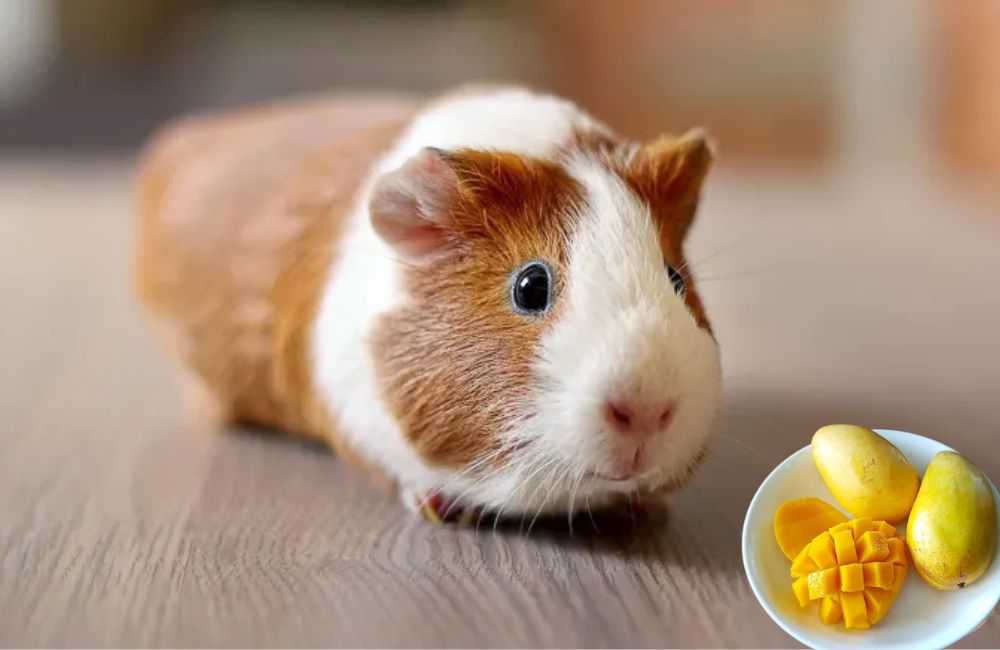
Are you a proud guinea pig owner wondering if your furry little friend can guinea pigs eat mangoes? Guinea pigs often bring joy to homes with their playful and affectionate nature. As responsible pet owners, it is essential to make sure that what we feed them is safe and beneficial for their health.
In this comprehensive guide, we will delve into the question of whether guinea pigs can partake in the sweetness of mangoes. We’ll explore the potential benefits and risks, offer step-by-step instructions on how to introduce mangoes into your pet’s diet without any harm and discuss other vital considerations.
What is a Mango?
Mango is a tropical fruit of the stone produced by the Mangifera Indica (1) tree and belongs to the Anacardiaceae family (2). Mango trees are indigenous to Southern Asia, especially the area between northwestern Myanmar, Bangladesh, and northeastern India. Over the years, South and Southeast Asia have been cultivating mangoes, leading to two major types of current mango cultivars: “Indian type” and “Southeast Asian type.”
Can Guinea Pigs Eat Mango?
Yes, guinea pigs can eat mangoes in moderation. Mangoes are not toxic to guinea pigs, and the occasional piece can be a delightful treat for your pet. Fresh mango is delicate for guinea pigs to consume. However, canned mangoes should never be given to them, given the risk of added sugars or additives. When dried mango is sharp and gets wet, it poses a risk of injury and choking to guinea pigs.
Nutritional Value of Mango for Guinea Pigs
Related: Travel Berkey Gravity-Fed Water Filter Review 2025
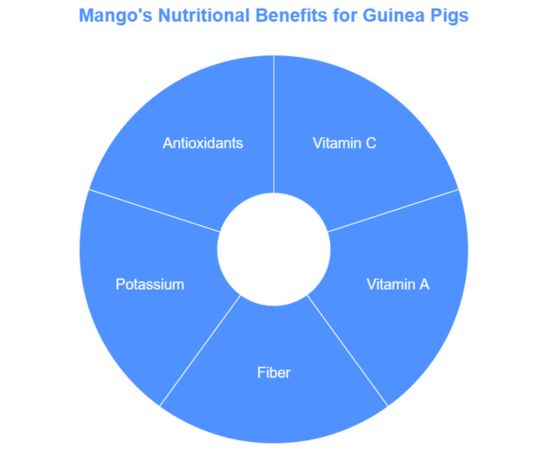
Mangoes, the delicious tropical fruits, offer a unique set of health benefits exclusively tailored for guinea pigs. Packed with vitamins and minerals, they are a nutritional choice not just for humans, but also for our furry friends. Let’s delve into the major nutrients found in mangoes:
- Vitamin C: Mangoes are a good source of vitamin C (3), which is essential for guinea pigs because they can’t make it on their own. A 3.5-ounce (100-gram) serving of mangoes provides about 36.4 mg of vitamin C.
- Vitamin A: Mangoes contain beta-carotene, which is converted to vitamin A (3) in the body. This vitamin is essential for vision, growth, and immunity.
- Fiber: Mangoes provide dietary fiber (4), which aids digestion. But they don’t have as much fiber as grass or leafy greens.
- Potassium: Mangoes are a source of potassium, which is essential for water balance, muscle function, and muscle contraction.
- Antioxidants: Beta-carotene and various polyphenols as antioxidants (4) are found in mangoes. These substances help to neutralize free radicals thereby reducing oxidative stress and inflammation.
Potential Benefits of Feeding Mango to Guinea Pigs
Giving guinea pigs mangoes has many benefits, one of which is better digestion. Mango fiber helps moderate bowel movements and reduce digestive problems such as constipation. The natural enzymes in mangoes can help break down food and improve the absorption of nutrients.
Moreover, mangoes play a pivotal role in fortifying guinea pigs’ immune systems. As we’ve discussed, mangoes are a rich source of vitamin C, a crucial nutrient that boosts immunity. By incorporating mangoes into their diet, guinea pig owners can actively contribute to their pets’ health and well-being, helping them ward off diseases and infections.
Mango is a beautiful fruit that keeps pet guinea pigs hydrated when eaten. Its high water content keeps them refreshed, especially during hot weather or if they do not take enough water from their water bottles.
Risks of Feeding Mango to Guinea Pigs
Mango is beneficial to guinea pigs, but it is important to know that there are potential risks to feeding them mangoes. One major concern is the excess sugar content present in mangoes. Excess sugar consumption can lead to guinea pigs gaining weight, experiencing dental problems, or developing diabetes. When it comes to offering mango as a treat, moderation is what matters most.
Moreover, there is a risk of an allergic reaction. Some guinea pigs may be allergic to the fruit itself or certain parts of the fruit, like the skin or pulp. Symptoms such as itching, swelling, difficulty breathing, and gastrointestinal upsets indicate an allergic reaction. If any of these signs are observed after feeding your Guinea pig mangoes, you should seek advice from a veterinary doctor immediately.
To minimize these risks, it is advisable to introduce mangoes into one’s guinea pig’s diet gradually while closely monitoring how they respond to such changes. Give small chunks of mango first and see how your pet reacts before slowly increasing the quantity over time while still keeping within limits.
How Much Mango Should Guinea Pigs Eat?
When it comes to feeding mangoes to guinea pigs, quality is critical. Because of their high sugar content, mangoes should only be given occasionally rather than as a regular part of the diet. The ideal serving size of mango would be a one-square-inch cup, served once or twice a week. Remember to balance their diet with other fresh herbs and vegetables to ensure a well-rounded diet.
It is important to note that each guinea pig is unique, and their dietary requirements may vary. Some guinea pigs are more tolerant of sugar, while others are more sensitive. Therefore, it is essential to monitor the weight and overall health of your guinea pigs when introducing mangoes or any other food into their diet.
How To Prepare Mangoes For Guinea Pigs
To keep your guinea pig happy and safe, you must correctly prepare the mango before giving it to them. Choose a ripe but not overly mushy mango. Thoroughly clean the fruit by washing off all dirt or pesticides.
Peel off the skin and remove the seed. Chop the meat into tiny pieces that your guinea pig can’t swallow easily. Make sure there are no seeds or hard strings in it that might choke the animal.
When you finish preparing mango, make it available for your pet to consume. Put some in their food bowl; alternatively, serve them as a treat offered by hand. See how they react with an eye to ascertain that they are eating the fruit without any problem with its passage through their throats.
FAQs
Can guinea pigs eat mango safely?
Yes, guinea pigs can eat mangoes safely in moderation. Mango is a delicious fruit that is rich in vitamins and minerals, making it a healthy treat for your furry friends.
Guinea pigs eat mango skin?
No, Guinea pigs should not eat mango skin. The skin of a mango is challenging for guinea pigs to digest, which can lead to digestive issues and stomach upset.
Can guinea pigs eat green mango?
No, Guinea pigs should not eat green mango. While ripe mangoes can be a safe and enjoyable treat for guinea pigs when given in moderation, green mangoes are not recommended.
Can pigs eat mango seed?
No, Pigs should not eat mango seeds as they can be toxic to them. Mango seeds contain cyanide, which is harmful to pigs and can cause poisoning if ingested.
Can baby guinea pigs eat mango?
Yes, baby guinea pigs can eat mangoes, but they should be consumed with caution and moderation.
Conclusion
Guinea pigs can have mango in moderation as a treat; this is because it has high sugar levels and should not become their primary diet. It’s essential to introduce new foods slowly and carefully watch for any signs of digestive upset or allergies. Along with vitamin C and fiber, which are necessary nutrients, mango should not replace their main diet of hay, vegetables, and pellets. You should always wash the fruit before giving it to your guinea pig – remember to remove both the peel and pit. Consult with a veterinarian if you have any concerns about introducing mango into your guinea pig’s diet.