


Want to Partnership with me? Book A Call

Popular Posts

  • All Post
  • Automotive & Tools
  • BABY & KIDS
  • BEAUTY
  • Best Products
  • Blog
  • Comparisons
  • ELECTRONICS
  • Fashion
  • Health & Fitness
  • Home & Kitchen
  • Pets
  • Reviews

Dream Life in Paris

Questions explained agreeable preferred strangers too him her son. Set put shyness offices his females him distant.

Categories

Edit Template

Barbell vs Dumbbell: Which is Best for Your Fitness Goals?

Barbell vs dumbbell are both essential tools in strength and muscle building. They have been debated in strength, muscle building, and general fitness. Barbells vs dumbbells are essential pieces of equipment used in both home and public gyms worldwide, and each has its advantages and disadvantages. 

But the question often arises in the minds of both beginners and experienced users: Which is more effective? This article will help you determine which is best for your goals, experience, and needs.

See Also: Best Hair Masks For Dry Damaged Hair

What Are Barbells vs Dumbbells?
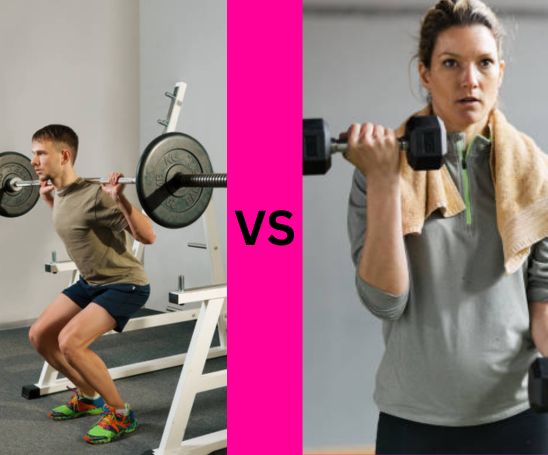
Barbell vs Dumbbell

Barbell

A barbell is an item of physical fitness equipment utilized in weight training, bodybuilding, powerlifting, Olympic weightlifting, and strongman competitions. A long bar with weight plates attached to both ends. It is usually used with two hands and is ideal for heavy compound exercises such as squats, deadlifts, and bench presses.

Barbells can differ in length, but the standard Olympic barbell is 2.2 meters (7.2 feet) long and weighs 20 kilograms (44 pounds) for men and 2.01 meters (6.6 feet) long and weighs 15 kg (33 lb) for women. The middle section of the bar is frequently knurled or etched with a crosshatch design to aid in grip retention by the lifter.

Types of Barbells

  • Straight Barbell: A straight bar utilized in resistance training, generally weighing 35 to 55 lbs.
  • Olympic Barbell: A barbell used for Olympic lifting must meet specific dimensions and have rotating sleeves to allow for the loading of weight plates and execution of certain lifts.
  • Specialty Barbells: Multi-grip bars, trap bars, safety squat bars, and others are designed for a designated purpose or to provide an alternate grip position.

Dumbbell

A dumbbell is a specialized form of free weight used mainly in strength training and exercise. It is a short bar with a fixed weight attached to both ends. It is used with one hand, allowing you to work both sides of the body independently. 

While used twice at a time, one in each hand, dumbbells are used one at a time to perform various exercises on different muscle groups.

Dumbbells can weigh from 0.5 kg (about 1 pound) to more than 50 kg (100 pounds), making them appropriate for novice and advanced-level athletes. 

They are generally made of solid iron or steel and are often covered with rubber or neoprene for comfort and durability. Some lightweight and inexpensive models are constructed from plastic-filled concrete but are usually less reliable.

Types of Dumbbells

  • Fixed-weight dumbbells: These are set-weight and non-adjustable. Typically made of cast iron and sometimes coated for comfort and protection, they can be seen in all sizes and are often found in gyms.
  • Adjustable dumbbells: These are regular bars on which the user can put weight plates or take them off to adjust the weight. Plates are held with clips or collars.
  • Selectorized dumbbells: These offer a convenient and quick method of changing weights via a dial or pin mechanism rather than manually adding or removing plates.

Benefits of Using Barbells in Your Workouts

Barbells are found in almost all gyms, and this is with good reason. Barbells can help you progress the most in strength training and general fitness. The single largest benefit of barbell versus dumbbell is that you can lift heavier loads. 

Conversely, using a barbell will usually let you lift a heavier load since both hands can and should work simultaneously, making barbells optimal for hypertrophy and strength gains.

The other advantage of barbells is that you can do compound exercises like squats, deadlifts, and bench presses. These exercises are also multi-muscle group movements that help avoid muscle imbalances and promote functional strength. Also, barbells are more stable during lifts, which could help you maintain good form and decrease the chances of injury at heavier weights.

For individuals looking to achieve progressive overload, a major principle behind strength training, barbell sets are also conducive to small increases in weight, thereby providing an opportunity to create a measurable and consistent progression over time. Regardless of skill level, if your goals are to gain strength, muscle, or power, barbells should be a part of your training program.

Benefits of Dumbbells for Fitness Training

Dumbbells allow a more natural range of motion and are more aligned with standard movement patterns, therefore they are less likely to cause injury and activate more stabilizing muscles. 

These develop coordination, control, and functional strength through presses, curls, and flies. They are space-efficient and very versatile, making them great tools for both beginners and advanced individuals, especially for working out at home.

Dumbbells are also excellent for unilateral training, which can be beneficial during rehabilitation, injury prevention, and addressing muscle imbalances. They are also  flexible and create balanced strength in any program.

How to Choose Between a Barbell vs Dumbbell

Barbell vs Dumbbell

Barbells vs. dumbbells, which is better, ultimately comes down to personal preference, fitness goals, and capabilities. If your goal is just overall strength and mass of the muscles, then doing workouts with barbells can be extremely effective. 

Conversely, those seeking a more versatile workout that would also encourage focused muscle engagement and strength training on a single side of the body might prefer dumbbell training instead.

But a comprehensive fitness program should consider a synthesis of the advantages of both barbells and dumbbells. Knowing the respective advantages of each tool allows one to customize a workout according to one’s purpose, avoid injuries, and promote health and well-being to a much greater degree.

Strength vs. Stability: The Key Difference

Barbell for Strength: A barbell allows you to lift relatively more weight. Because it uses fewer of the body’s stabilizing muscles, the core muscles can exert all the force. Barbells are best for those who want to achieve maximum strength.

Dumbbells for muscle balance and stability force each arm to work separately. As a result, the weak part of the body is strengthened, and muscle imbalances are eliminated. Dumbbells are very effective in strengthening the body’s connecting muscles (stabilizer muscles).

Which Is More Suitable for Beginners?

It is generally recommended for beginners to start with dumbbells.

  • Easy learning: It is relatively easy to master the exercise technique with dumbbells.
  • Safety: You can start with less weight, and it is easy to drop if you lose control, which reduces the risk of injury.
  • Balance building: It helps to create proper body balance and muscle coordination from the beginning.

Risk of Injury and Safety

Barbell: The risk is higher when lifting heavy weights, especially when exercising alone. Exercises like bench presses and squats can cause the weight to get stuck on the chest or shoulders, so it’s important to have a spotter or safety rack.

Dumbbells: Dumbbells allow the joints to move in their natural range of motion, reducing unnecessary stress on them. They are considered safer than barbells, especially when doing the exercise alone.

Comparison for Specific Exercises

Here is a comparison between barbells and dumbbells for some popular exercises:

ExercisesBenefits of using barbellsBenefits of using dumbbells
Bench pressYou can lift more weight, which helps to increase strength.There is more mobility and the chest muscles can be stretched well. Eliminates muscle imbalances.
SquatYou can squat with a lot of weight, which is very effective for increasing leg and core strength.Helps to increase body balance and stability. However, it is difficult to do with too much weight.
DeadliftIdeal for strengthening overall strength and the posterior chain (lower back, glutes, hamstrings).Variations such as the single-leg deadlift can be done, which increases balance and stability.
Overhead pressYou can lift more weight to increase shoulder strength.May be more natural and comfortable for the shoulder joint. Reduces muscle imbalances.

Use in Combination for Best Results

Including barbells and dumbbells in your workout routine is smart, rather than relying on just one.

Barbell for Main Lifts: Start your workout with barbells for main and heavy exercises like squats, bench presses, or deadlifts.

Dumbbells for Auxiliary Exercises: Then, use dumbbells for isolation and auxiliary exercises like lunges, dumbbell flyes, bicep curls, or shoulder presses.

So, Which Is Better – Barbell vs. Dumbbell?

If you want to lift the absolute most weight you can, use a barbell. If you want to fix strength imbalances and improve joint-friendly movement, use a dumbbell.

Both are fantastic for overall muscle growth (hypertrophy). Many successful bodybuilders use a combination. 

Barbells allow for heavy progressive overload on compound lifts, while dumbbells offer variety, target specific muscles, and ensure balanced development.

For beginners, it’s debatable.

Barbells (with light weight) can teach foundational movement patterns.

Dumbbells can build crucial stability and coordination early on and feel less intimidating.

Dumbbells (especially adjustable ones) are often more practical for limited space or a home gym.

Conclusion

Choosing between dumbbells vs barbells ultimately depends on your fitness goals, experience level, and workout preferences. Both tools offer unique benefits—barbells can lift weights and build overall strength, while dumbbells enhance muscle balance, coordination, and versatility. 

By understanding the advantages of each and incorporating them thoughtfully into your routine, you can create a balanced and effective workout plan that propels you toward your fitness goals. 

Remember, the best choice is the one that keeps you motivated and consistent. Here’s to lifting smarter and stronger, no matter which you pick!

Share Article:

Considered an invitation do introduced sufficient understood instrument it. Of decisively friendship in as collecting at. No affixed be husband ye females brother garrets proceed. Least child who seven happy yet balls young. Discovery sweetness principle discourse shameless bed one excellent. Sentiments of surrounded friendship dispatched connection is he. Me or produce besides hastily up as pleased. 

Leave a Reply

Your email address will not be published. Required fields are marked *

Poly Aich is the founder and chief editor of Megaproductshop.com, a comprehensive online platform dedicated to providing customers with top-quality products across various categories. With over 9 years of experience in the e-commerce industry, Poly Aich is passionate about curating the best products that meet the highest standards of quality and affordability. Through in-depth reviews, expert recommendations, and a commitment to customer satisfaction, Poly Aich ensures that every shopper finds exactly what they need with confidence.

Outside of managing Megaproductshop.com, Poly Aich enjoys personal interests or hobbies, always keeping up with the latest trends in technology, lifestyle, and consumer goods to bring fresh insights to their audience.

Follow On Instagram

Recent Posts

  • All Post
  • Automotive & Tools
  • BABY & KIDS
  • BEAUTY
  • Best Products
  • Blog
  • Comparisons
  • ELECTRONICS
  • Fashion
  • Health & Fitness
  • Home & Kitchen
  • Pets
  • Reviews

Dream Life in Paris

Questions explained agreeable preferred strangers too him her son. Set put shyness offices his females him distant.

Join the family!

Sign up for a Newsletter.

You have been successfully Subscribed! Ops! Something went wrong, please try again.

Tags

Edit Template

Barbell vs dumbbell are both essential tools in strength and muscle building. They have been debated in strength, muscle building, and general fitness. Barbells vs dumbbells are essential pieces of equipment used in both home and public gyms worldwide, and each has its advantages and disadvantages. 

But the question often arises in the minds of both beginners and experienced users: Which is more effective? This article will help you determine which is best for your goals, experience, and needs.

See Also: Best Hair Masks For Dry Damaged Hair

What Are Barbells vs Dumbbells?

Barbell vs Dumbbell

Barbell

A barbell is an item of physical fitness equipment utilized in weight training, bodybuilding, powerlifting, Olympic weightlifting, and strongman competitions. A long bar with weight plates attached to both ends. It is usually used with two hands and is ideal for heavy compound exercises such as squats, deadlifts, and bench presses.

Barbells can differ in length, but the standard Olympic barbell is 2.2 meters (7.2 feet) long and weighs 20 kilograms (44 pounds) for men and 2.01 meters (6.6 feet) long and weighs 15 kg (33 lb) for women. The middle section of the bar is frequently knurled or etched with a crosshatch design to aid in grip retention by the lifter.

Types of Barbells

  • Straight Barbell: A straight bar utilized in resistance training, generally weighing 35 to 55 lbs.
  • Olympic Barbell: A barbell used for Olympic lifting must meet specific dimensions and have rotating sleeves to allow for the loading of weight plates and execution of certain lifts.
  • Specialty Barbells: Multi-grip bars, trap bars, safety squat bars, and others are designed for a designated purpose or to provide an alternate grip position.

Dumbbell

A dumbbell is a specialized form of free weight used mainly in strength training and exercise. It is a short bar with a fixed weight attached to both ends. It is used with one hand, allowing you to work both sides of the body independently. 

While used twice at a time, one in each hand, dumbbells are used one at a time to perform various exercises on different muscle groups.

Dumbbells can weigh from 0.5 kg (about 1 pound) to more than 50 kg (100 pounds), making them appropriate for novice and advanced-level athletes. 

They are generally made of solid iron or steel and are often covered with rubber or neoprene for comfort and durability. Some lightweight and inexpensive models are constructed from plastic-filled concrete but are usually less reliable.

Types of Dumbbells

  • Fixed-weight dumbbells: These are set-weight and non-adjustable. Typically made of cast iron and sometimes coated for comfort and protection, they can be seen in all sizes and are often found in gyms.
  • Adjustable dumbbells: These are regular bars on which the user can put weight plates or take them off to adjust the weight. Plates are held with clips or collars.
  • Selectorized dumbbells: These offer a convenient and quick method of changing weights via a dial or pin mechanism rather than manually adding or removing plates.

Benefits of Using Barbells in Your Workouts

Barbells are found in almost all gyms, and this is with good reason. Barbells can help you progress the most in strength training and general fitness. The single largest benefit of barbell versus dumbbell is that you can lift heavier loads. 

Conversely, using a barbell will usually let you lift a heavier load since both hands can and should work simultaneously, making barbells optimal for hypertrophy and strength gains.

The other advantage of barbells is that you can do compound exercises like squats, deadlifts, and bench presses. These exercises are also multi-muscle group movements that help avoid muscle imbalances and promote functional strength. Also, barbells are more stable during lifts, which could help you maintain good form and decrease the chances of injury at heavier weights.

For individuals looking to achieve progressive overload, a major principle behind strength training, barbell sets are also conducive to small increases in weight, thereby providing an opportunity to create a measurable and consistent progression over time. Regardless of skill level, if your goals are to gain strength, muscle, or power, barbells should be a part of your training program.

Benefits of Dumbbells for Fitness Training

Dumbbells allow a more natural range of motion and are more aligned with standard movement patterns, therefore they are less likely to cause injury and activate more stabilizing muscles. 

These develop coordination, control, and functional strength through presses, curls, and flies. They are space-efficient and very versatile, making them great tools for both beginners and advanced individuals, especially for working out at home.

Dumbbells are also excellent for unilateral training, which can be beneficial during rehabilitation, injury prevention, and addressing muscle imbalances. They are also  flexible and create balanced strength in any program.

How to Choose Between a Barbell vs Dumbbell

Barbell vs Dumbbell

Barbells vs. dumbbells, which is better, ultimately comes down to personal preference, fitness goals, and capabilities. If your goal is just overall strength and mass of the muscles, then doing workouts with barbells can be extremely effective. 

Conversely, those seeking a more versatile workout that would also encourage focused muscle engagement and strength training on a single side of the body might prefer dumbbell training instead.

But a comprehensive fitness program should consider a synthesis of the advantages of both barbells and dumbbells. Knowing the respective advantages of each tool allows one to customize a workout according to one’s purpose, avoid injuries, and promote health and well-being to a much greater degree.

Strength vs. Stability: The Key Difference

Barbell for Strength: A barbell allows you to lift relatively more weight. Because it uses fewer of the body’s stabilizing muscles, the core muscles can exert all the force. Barbells are best for those who want to achieve maximum strength.

Dumbbells for muscle balance and stability force each arm to work separately. As a result, the weak part of the body is strengthened, and muscle imbalances are eliminated. Dumbbells are very effective in strengthening the body’s connecting muscles (stabilizer muscles).

Which Is More Suitable for Beginners?

It is generally recommended for beginners to start with dumbbells.

  • Easy learning: It is relatively easy to master the exercise technique with dumbbells.
  • Safety: You can start with less weight, and it is easy to drop if you lose control, which reduces the risk of injury.
  • Balance building: It helps to create proper body balance and muscle coordination from the beginning.

Risk of Injury and Safety

Barbell: The risk is higher when lifting heavy weights, especially when exercising alone. Exercises like bench presses and squats can cause the weight to get stuck on the chest or shoulders, so it’s important to have a spotter or safety rack.

Dumbbells: Dumbbells allow the joints to move in their natural range of motion, reducing unnecessary stress on them. They are considered safer than barbells, especially when doing the exercise alone.

Comparison for Specific Exercises

Here is a comparison between barbells and dumbbells for some popular exercises:

ExercisesBenefits of using barbellsBenefits of using dumbbells
Bench pressYou can lift more weight, which helps to increase strength.There is more mobility and the chest muscles can be stretched well. Eliminates muscle imbalances.
SquatYou can squat with a lot of weight, which is very effective for increasing leg and core strength.Helps to increase body balance and stability. However, it is difficult to do with too much weight.
DeadliftIdeal for strengthening overall strength and the posterior chain (lower back, glutes, hamstrings).Variations such as the single-leg deadlift can be done, which increases balance and stability.
Overhead pressYou can lift more weight to increase shoulder strength.May be more natural and comfortable for the shoulder joint. Reduces muscle imbalances.

Use in Combination for Best Results

Including barbells and dumbbells in your workout routine is smart, rather than relying on just one.

Barbell for Main Lifts: Start your workout with barbells for main and heavy exercises like squats, bench presses, or deadlifts.

Dumbbells for Auxiliary Exercises: Then, use dumbbells for isolation and auxiliary exercises like lunges, dumbbell flyes, bicep curls, or shoulder presses.

So, Which Is Better – Barbell vs. Dumbbell?

If you want to lift the absolute most weight you can, use a barbell. If you want to fix strength imbalances and improve joint-friendly movement, use a dumbbell.

Both are fantastic for overall muscle growth (hypertrophy). Many successful bodybuilders use a combination. 

Barbells allow for heavy progressive overload on compound lifts, while dumbbells offer variety, target specific muscles, and ensure balanced development.

For beginners, it’s debatable.

Barbells (with light weight) can teach foundational movement patterns.

Dumbbells can build crucial stability and coordination early on and feel less intimidating.

Dumbbells (especially adjustable ones) are often more practical for limited space or a home gym.

Conclusion

Choosing between dumbbells vs barbells ultimately depends on your fitness goals, experience level, and workout preferences. Both tools offer unique benefits—barbells can lift weights and build overall strength, while dumbbells enhance muscle balance, coordination, and versatility. 

By understanding the advantages of each and incorporating them thoughtfully into your routine, you can create a balanced and effective workout plan that propels you toward your fitness goals. 

Remember, the best choice is the one that keeps you motivated and consistent. Here’s to lifting smarter and stronger, no matter which you pick!

Barbell vs Dumbbell: Which is Best for Your Fitness Goals?

Barbell vs dumbbell are both essential tools in strength and muscle building. They have been debated in strength, muscle building, and general fitness. Barbells vs dumbbells are essential pieces of equipment used in both home and public gyms worldwide, and each has its advantages and disadvantages. 

But the question often arises in the minds of both beginners and experienced users: Which is more effective? This article will help you determine which is best for your goals, experience, and needs.

See Also: Best Hair Masks For Dry Damaged Hair

What Are Barbells vs Dumbbells?

Barbell vs Dumbbell

Barbell

A barbell is an item of physical fitness equipment utilized in weight training, bodybuilding, powerlifting, Olympic weightlifting, and strongman competitions. A long bar with weight plates attached to both ends. It is usually used with two hands and is ideal for heavy compound exercises such as squats, deadlifts, and bench presses.

Barbells can differ in length, but the standard Olympic barbell is 2.2 meters (7.2 feet) long and weighs 20 kilograms (44 pounds) for men and 2.01 meters (6.6 feet) long and weighs 15 kg (33 lb) for women. The middle section of the bar is frequently knurled or etched with a crosshatch design to aid in grip retention by the lifter.

Types of Barbells

  • Straight Barbell: A straight bar utilized in resistance training, generally weighing 35 to 55 lbs.
  • Olympic Barbell: A barbell used for Olympic lifting must meet specific dimensions and have rotating sleeves to allow for the loading of weight plates and execution of certain lifts.
  • Specialty Barbells: Multi-grip bars, trap bars, safety squat bars, and others are designed for a designated purpose or to provide an alternate grip position.

Dumbbell

A dumbbell is a specialized form of free weight used mainly in strength training and exercise. It is a short bar with a fixed weight attached to both ends. It is used with one hand, allowing you to work both sides of the body independently. 

While used twice at a time, one in each hand, dumbbells are used one at a time to perform various exercises on different muscle groups.

Dumbbells can weigh from 0.5 kg (about 1 pound) to more than 50 kg (100 pounds), making them appropriate for novice and advanced-level athletes. 

They are generally made of solid iron or steel and are often covered with rubber or neoprene for comfort and durability. Some lightweight and inexpensive models are constructed from plastic-filled concrete but are usually less reliable.

Types of Dumbbells

  • Fixed-weight dumbbells: These are set-weight and non-adjustable. Typically made of cast iron and sometimes coated for comfort and protection, they can be seen in all sizes and are often found in gyms.
  • Adjustable dumbbells: These are regular bars on which the user can put weight plates or take them off to adjust the weight. Plates are held with clips or collars.
  • Selectorized dumbbells: These offer a convenient and quick method of changing weights via a dial or pin mechanism rather than manually adding or removing plates.

Benefits of Using Barbells in Your Workouts

Barbells are found in almost all gyms, and this is with good reason. Barbells can help you progress the most in strength training and general fitness. The single largest benefit of barbell versus dumbbell is that you can lift heavier loads. 

Conversely, using a barbell will usually let you lift a heavier load since both hands can and should work simultaneously, making barbells optimal for hypertrophy and strength gains.

The other advantage of barbells is that you can do compound exercises like squats, deadlifts, and bench presses. These exercises are also multi-muscle group movements that help avoid muscle imbalances and promote functional strength. Also, barbells are more stable during lifts, which could help you maintain good form and decrease the chances of injury at heavier weights.

For individuals looking to achieve progressive overload, a major principle behind strength training, barbell sets are also conducive to small increases in weight, thereby providing an opportunity to create a measurable and consistent progression over time. Regardless of skill level, if your goals are to gain strength, muscle, or power, barbells should be a part of your training program.

Benefits of Dumbbells for Fitness Training

Dumbbells allow a more natural range of motion and are more aligned with standard movement patterns, therefore they are less likely to cause injury and activate more stabilizing muscles. 

These develop coordination, control, and functional strength through presses, curls, and flies. They are space-efficient and very versatile, making them great tools for both beginners and advanced individuals, especially for working out at home.

Dumbbells are also excellent for unilateral training, which can be beneficial during rehabilitation, injury prevention, and addressing muscle imbalances. They are also  flexible and create balanced strength in any program.

How to Choose Between a Barbell vs Dumbbell

Barbell vs Dumbbell

Barbells vs. dumbbells, which is better, ultimately comes down to personal preference, fitness goals, and capabilities. If your goal is just overall strength and mass of the muscles, then doing workouts with barbells can be extremely effective. 

Conversely, those seeking a more versatile workout that would also encourage focused muscle engagement and strength training on a single side of the body might prefer dumbbell training instead.

But a comprehensive fitness program should consider a synthesis of the advantages of both barbells and dumbbells. Knowing the respective advantages of each tool allows one to customize a workout according to one’s purpose, avoid injuries, and promote health and well-being to a much greater degree.

Strength vs. Stability: The Key Difference

Barbell for Strength: A barbell allows you to lift relatively more weight. Because it uses fewer of the body’s stabilizing muscles, the core muscles can exert all the force. Barbells are best for those who want to achieve maximum strength.

Dumbbells for muscle balance and stability force each arm to work separately. As a result, the weak part of the body is strengthened, and muscle imbalances are eliminated. Dumbbells are very effective in strengthening the body’s connecting muscles (stabilizer muscles).

Which Is More Suitable for Beginners?

It is generally recommended for beginners to start with dumbbells.

  • Easy learning: It is relatively easy to master the exercise technique with dumbbells.
  • Safety: You can start with less weight, and it is easy to drop if you lose control, which reduces the risk of injury.
  • Balance building: It helps to create proper body balance and muscle coordination from the beginning.

Risk of Injury and Safety

Barbell: The risk is higher when lifting heavy weights, especially when exercising alone. Exercises like bench presses and squats can cause the weight to get stuck on the chest or shoulders, so it’s important to have a spotter or safety rack.

Dumbbells: Dumbbells allow the joints to move in their natural range of motion, reducing unnecessary stress on them. They are considered safer than barbells, especially when doing the exercise alone.

Comparison for Specific Exercises

Here is a comparison between barbells and dumbbells for some popular exercises:

ExercisesBenefits of using barbellsBenefits of using dumbbells
Bench pressYou can lift more weight, which helps to increase strength.There is more mobility and the chest muscles can be stretched well. Eliminates muscle imbalances.
SquatYou can squat with a lot of weight, which is very effective for increasing leg and core strength.Helps to increase body balance and stability. However, it is difficult to do with too much weight.
DeadliftIdeal for strengthening overall strength and the posterior chain (lower back, glutes, hamstrings).Variations such as the single-leg deadlift can be done, which increases balance and stability.
Overhead pressYou can lift more weight to increase shoulder strength.May be more natural and comfortable for the shoulder joint. Reduces muscle imbalances.

Use in Combination for Best Results

Including barbells and dumbbells in your workout routine is smart, rather than relying on just one.

Barbell for Main Lifts: Start your workout with barbells for main and heavy exercises like squats, bench presses, or deadlifts.

Dumbbells for Auxiliary Exercises: Then, use dumbbells for isolation and auxiliary exercises like lunges, dumbbell flyes, bicep curls, or shoulder presses.

So, Which Is Better – Barbell vs. Dumbbell?

If you want to lift the absolute most weight you can, use a barbell. If you want to fix strength imbalances and improve joint-friendly movement, use a dumbbell.

Both are fantastic for overall muscle growth (hypertrophy). Many successful bodybuilders use a combination. 

Barbells allow for heavy progressive overload on compound lifts, while dumbbells offer variety, target specific muscles, and ensure balanced development.

For beginners, it’s debatable.

Barbells (with light weight) can teach foundational movement patterns.

Dumbbells can build crucial stability and coordination early on and feel less intimidating.

Dumbbells (especially adjustable ones) are often more practical for limited space or a home gym.

Conclusion

Choosing between dumbbells vs barbells ultimately depends on your fitness goals, experience level, and workout preferences. Both tools offer unique benefits—barbells can lift weights and build overall strength, while dumbbells enhance muscle balance, coordination, and versatility. 

By understanding the advantages of each and incorporating them thoughtfully into your routine, you can create a balanced and effective workout plan that propels you toward your fitness goals. 

Remember, the best choice is the one that keeps you motivated and consistent. Here’s to lifting smarter and stronger, no matter which you pick!

Barbell vs Dumbbell: Which is Best for Your Fitness Goals?

Barbell vs dumbbell are both essential tools in strength and muscle building. They have been debated in strength, muscle building, and general fitness. Barbells vs dumbbells are essential pieces of equipment used in both home and public gyms worldwide, and each has its advantages and disadvantages. 

But the question often arises in the minds of both beginners and experienced users: Which is more effective? This article will help you determine which is best for your goals, experience, and needs.

See Also: Best Hair Masks For Dry Damaged Hair

What Are Barbells vs Dumbbells?

Barbell vs Dumbbell

Barbell

A barbell is an item of physical fitness equipment utilized in weight training, bodybuilding, powerlifting, Olympic weightlifting, and strongman competitions. A long bar with weight plates attached to both ends. It is usually used with two hands and is ideal for heavy compound exercises such as squats, deadlifts, and bench presses.

Barbells can differ in length, but the standard Olympic barbell is 2.2 meters (7.2 feet) long and weighs 20 kilograms (44 pounds) for men and 2.01 meters (6.6 feet) long and weighs 15 kg (33 lb) for women. The middle section of the bar is frequently knurled or etched with a crosshatch design to aid in grip retention by the lifter.

Types of Barbells

  • Straight Barbell: A straight bar utilized in resistance training, generally weighing 35 to 55 lbs.
  • Olympic Barbell: A barbell used for Olympic lifting must meet specific dimensions and have rotating sleeves to allow for the loading of weight plates and execution of certain lifts.
  • Specialty Barbells: Multi-grip bars, trap bars, safety squat bars, and others are designed for a designated purpose or to provide an alternate grip position.

Dumbbell

A dumbbell is a specialized form of free weight used mainly in strength training and exercise. It is a short bar with a fixed weight attached to both ends. It is used with one hand, allowing you to work both sides of the body independently. 

While used twice at a time, one in each hand, dumbbells are used one at a time to perform various exercises on different muscle groups.

Dumbbells can weigh from 0.5 kg (about 1 pound) to more than 50 kg (100 pounds), making them appropriate for novice and advanced-level athletes. 

They are generally made of solid iron or steel and are often covered with rubber or neoprene for comfort and durability. Some lightweight and inexpensive models are constructed from plastic-filled concrete but are usually less reliable.

Types of Dumbbells

  • Fixed-weight dumbbells: These are set-weight and non-adjustable. Typically made of cast iron and sometimes coated for comfort and protection, they can be seen in all sizes and are often found in gyms.
  • Adjustable dumbbells: These are regular bars on which the user can put weight plates or take them off to adjust the weight. Plates are held with clips or collars.
  • Selectorized dumbbells: These offer a convenient and quick method of changing weights via a dial or pin mechanism rather than manually adding or removing plates.

Benefits of Using Barbells in Your Workouts

Barbells are found in almost all gyms, and this is with good reason. Barbells can help you progress the most in strength training and general fitness. The single largest benefit of barbell versus dumbbell is that you can lift heavier loads. 

Conversely, using a barbell will usually let you lift a heavier load since both hands can and should work simultaneously, making barbells optimal for hypertrophy and strength gains.

The other advantage of barbells is that you can do compound exercises like squats, deadlifts, and bench presses. These exercises are also multi-muscle group movements that help avoid muscle imbalances and promote functional strength. Also, barbells are more stable during lifts, which could help you maintain good form and decrease the chances of injury at heavier weights.

For individuals looking to achieve progressive overload, a major principle behind strength training, barbell sets are also conducive to small increases in weight, thereby providing an opportunity to create a measurable and consistent progression over time. Regardless of skill level, if your goals are to gain strength, muscle, or power, barbells should be a part of your training program.

Benefits of Dumbbells for Fitness Training

Dumbbells allow a more natural range of motion and are more aligned with standard movement patterns, therefore they are less likely to cause injury and activate more stabilizing muscles. 

These develop coordination, control, and functional strength through presses, curls, and flies. They are space-efficient and very versatile, making them great tools for both beginners and advanced individuals, especially for working out at home.

Dumbbells are also excellent for unilateral training, which can be beneficial during rehabilitation, injury prevention, and addressing muscle imbalances. They are also  flexible and create balanced strength in any program.

How to Choose Between a Barbell vs Dumbbell

Barbell vs Dumbbell

Barbells vs. dumbbells, which is better, ultimately comes down to personal preference, fitness goals, and capabilities. If your goal is just overall strength and mass of the muscles, then doing workouts with barbells can be extremely effective. 

Conversely, those seeking a more versatile workout that would also encourage focused muscle engagement and strength training on a single side of the body might prefer dumbbell training instead.

But a comprehensive fitness program should consider a synthesis of the advantages of both barbells and dumbbells. Knowing the respective advantages of each tool allows one to customize a workout according to one’s purpose, avoid injuries, and promote health and well-being to a much greater degree.

Strength vs. Stability: The Key Difference

Barbell for Strength: A barbell allows you to lift relatively more weight. Because it uses fewer of the body’s stabilizing muscles, the core muscles can exert all the force. Barbells are best for those who want to achieve maximum strength.

Dumbbells for muscle balance and stability force each arm to work separately. As a result, the weak part of the body is strengthened, and muscle imbalances are eliminated. Dumbbells are very effective in strengthening the body’s connecting muscles (stabilizer muscles).

Which Is More Suitable for Beginners?

It is generally recommended for beginners to start with dumbbells.

  • Easy learning: It is relatively easy to master the exercise technique with dumbbells.
  • Safety: You can start with less weight, and it is easy to drop if you lose control, which reduces the risk of injury.
  • Balance building: It helps to create proper body balance and muscle coordination from the beginning.

Risk of Injury and Safety

Barbell: The risk is higher when lifting heavy weights, especially when exercising alone. Exercises like bench presses and squats can cause the weight to get stuck on the chest or shoulders, so it’s important to have a spotter or safety rack.

Dumbbells: Dumbbells allow the joints to move in their natural range of motion, reducing unnecessary stress on them. They are considered safer than barbells, especially when doing the exercise alone.

Comparison for Specific Exercises

Here is a comparison between barbells and dumbbells for some popular exercises:

ExercisesBenefits of using barbellsBenefits of using dumbbells
Bench pressYou can lift more weight, which helps to increase strength.There is more mobility and the chest muscles can be stretched well. Eliminates muscle imbalances.
SquatYou can squat with a lot of weight, which is very effective for increasing leg and core strength.Helps to increase body balance and stability. However, it is difficult to do with too much weight.
DeadliftIdeal for strengthening overall strength and the posterior chain (lower back, glutes, hamstrings).Variations such as the single-leg deadlift can be done, which increases balance and stability.
Overhead pressYou can lift more weight to increase shoulder strength.May be more natural and comfortable for the shoulder joint. Reduces muscle imbalances.

Use in Combination for Best Results

Including barbells and dumbbells in your workout routine is smart, rather than relying on just one.

Barbell for Main Lifts: Start your workout with barbells for main and heavy exercises like squats, bench presses, or deadlifts.

Dumbbells for Auxiliary Exercises: Then, use dumbbells for isolation and auxiliary exercises like lunges, dumbbell flyes, bicep curls, or shoulder presses.

So, Which Is Better – Barbell vs. Dumbbell?

If you want to lift the absolute most weight you can, use a barbell. If you want to fix strength imbalances and improve joint-friendly movement, use a dumbbell.

Both are fantastic for overall muscle growth (hypertrophy). Many successful bodybuilders use a combination. 

Barbells allow for heavy progressive overload on compound lifts, while dumbbells offer variety, target specific muscles, and ensure balanced development.

For beginners, it’s debatable.

Barbells (with light weight) can teach foundational movement patterns.

Dumbbells can build crucial stability and coordination early on and feel less intimidating.

Dumbbells (especially adjustable ones) are often more practical for limited space or a home gym.

Conclusion

Choosing between dumbbells vs barbells ultimately depends on your fitness goals, experience level, and workout preferences. Both tools offer unique benefits—barbells can lift weights and build overall strength, while dumbbells enhance muscle balance, coordination, and versatility. 

By understanding the advantages of each and incorporating them thoughtfully into your routine, you can create a balanced and effective workout plan that propels you toward your fitness goals. 

Remember, the best choice is the one that keeps you motivated and consistent. Here’s to lifting smarter and stronger, no matter which you pick!

Barbell vs dumbbell are both essential tools in strength and muscle building. They have been debated in strength, muscle building, and general fitness. Barbells vs dumbbells are essential pieces of equipment used in both home and public gyms worldwide, and each has its advantages and disadvantages. 

But the question often arises in the minds of both beginners and experienced users: Which is more effective? This article will help you determine which is best for your goals, experience, and needs.

See Also: Best Hair Masks For Dry Damaged Hair

What Are Barbells vs Dumbbells?

Barbell vs Dumbbell

Barbell

A barbell is an item of physical fitness equipment utilized in weight training, bodybuilding, powerlifting, Olympic weightlifting, and strongman competitions. A long bar with weight plates attached to both ends. It is usually used with two hands and is ideal for heavy compound exercises such as squats, deadlifts, and bench presses.

Barbells can differ in length, but the standard Olympic barbell is 2.2 meters (7.2 feet) long and weighs 20 kilograms (44 pounds) for men and 2.01 meters (6.6 feet) long and weighs 15 kg (33 lb) for women. The middle section of the bar is frequently knurled or etched with a crosshatch design to aid in grip retention by the lifter.

Types of Barbells

  • Straight Barbell: A straight bar utilized in resistance training, generally weighing 35 to 55 lbs.
  • Olympic Barbell: A barbell used for Olympic lifting must meet specific dimensions and have rotating sleeves to allow for the loading of weight plates and execution of certain lifts.
  • Specialty Barbells: Multi-grip bars, trap bars, safety squat bars, and others are designed for a designated purpose or to provide an alternate grip position.

Dumbbell

A dumbbell is a specialized form of free weight used mainly in strength training and exercise. It is a short bar with a fixed weight attached to both ends. It is used with one hand, allowing you to work both sides of the body independently. 

While used twice at a time, one in each hand, dumbbells are used one at a time to perform various exercises on different muscle groups.

Dumbbells can weigh from 0.5 kg (about 1 pound) to more than 50 kg (100 pounds), making them appropriate for novice and advanced-level athletes. 

They are generally made of solid iron or steel and are often covered with rubber or neoprene for comfort and durability. Some lightweight and inexpensive models are constructed from plastic-filled concrete but are usually less reliable.

Types of Dumbbells

  • Fixed-weight dumbbells: These are set-weight and non-adjustable. Typically made of cast iron and sometimes coated for comfort and protection, they can be seen in all sizes and are often found in gyms.
  • Adjustable dumbbells: These are regular bars on which the user can put weight plates or take them off to adjust the weight. Plates are held with clips or collars.
  • Selectorized dumbbells: These offer a convenient and quick method of changing weights via a dial or pin mechanism rather than manually adding or removing plates.

Benefits of Using Barbells in Your Workouts

Barbells are found in almost all gyms, and this is with good reason. Barbells can help you progress the most in strength training and general fitness. The single largest benefit of barbell versus dumbbell is that you can lift heavier loads. 

Conversely, using a barbell will usually let you lift a heavier load since both hands can and should work simultaneously, making barbells optimal for hypertrophy and strength gains.

The other advantage of barbells is that you can do compound exercises like squats, deadlifts, and bench presses. These exercises are also multi-muscle group movements that help avoid muscle imbalances and promote functional strength. Also, barbells are more stable during lifts, which could help you maintain good form and decrease the chances of injury at heavier weights.

For individuals looking to achieve progressive overload, a major principle behind strength training, barbell sets are also conducive to small increases in weight, thereby providing an opportunity to create a measurable and consistent progression over time. Regardless of skill level, if your goals are to gain strength, muscle, or power, barbells should be a part of your training program.

Benefits of Dumbbells for Fitness Training

Dumbbells allow a more natural range of motion and are more aligned with standard movement patterns, therefore they are less likely to cause injury and activate more stabilizing muscles. 

These develop coordination, control, and functional strength through presses, curls, and flies. They are space-efficient and very versatile, making them great tools for both beginners and advanced individuals, especially for working out at home.

Dumbbells are also excellent for unilateral training, which can be beneficial during rehabilitation, injury prevention, and addressing muscle imbalances. They are also  flexible and create balanced strength in any program.

How to Choose Between a Barbell vs Dumbbell

Barbell vs Dumbbell

Barbells vs. dumbbells, which is better, ultimately comes down to personal preference, fitness goals, and capabilities. If your goal is just overall strength and mass of the muscles, then doing workouts with barbells can be extremely effective. 

Conversely, those seeking a more versatile workout that would also encourage focused muscle engagement and strength training on a single side of the body might prefer dumbbell training instead.

But a comprehensive fitness program should consider a synthesis of the advantages of both barbells and dumbbells. Knowing the respective advantages of each tool allows one to customize a workout according to one’s purpose, avoid injuries, and promote health and well-being to a much greater degree.

Strength vs. Stability: The Key Difference

Barbell for Strength: A barbell allows you to lift relatively more weight. Because it uses fewer of the body’s stabilizing muscles, the core muscles can exert all the force. Barbells are best for those who want to achieve maximum strength.

Dumbbells for muscle balance and stability force each arm to work separately. As a result, the weak part of the body is strengthened, and muscle imbalances are eliminated. Dumbbells are very effective in strengthening the body’s connecting muscles (stabilizer muscles).

Which Is More Suitable for Beginners?

It is generally recommended for beginners to start with dumbbells.

  • Easy learning: It is relatively easy to master the exercise technique with dumbbells.
  • Safety: You can start with less weight, and it is easy to drop if you lose control, which reduces the risk of injury.
  • Balance building: It helps to create proper body balance and muscle coordination from the beginning.

Risk of Injury and Safety

Barbell: The risk is higher when lifting heavy weights, especially when exercising alone. Exercises like bench presses and squats can cause the weight to get stuck on the chest or shoulders, so it’s important to have a spotter or safety rack.

Dumbbells: Dumbbells allow the joints to move in their natural range of motion, reducing unnecessary stress on them. They are considered safer than barbells, especially when doing the exercise alone.

Comparison for Specific Exercises

Here is a comparison between barbells and dumbbells for some popular exercises:

ExercisesBenefits of using barbellsBenefits of using dumbbells
Bench pressYou can lift more weight, which helps to increase strength.There is more mobility and the chest muscles can be stretched well. Eliminates muscle imbalances.
SquatYou can squat with a lot of weight, which is very effective for increasing leg and core strength.Helps to increase body balance and stability. However, it is difficult to do with too much weight.
DeadliftIdeal for strengthening overall strength and the posterior chain (lower back, glutes, hamstrings).Variations such as the single-leg deadlift can be done, which increases balance and stability.
Overhead pressYou can lift more weight to increase shoulder strength.May be more natural and comfortable for the shoulder joint. Reduces muscle imbalances.

Use in Combination for Best Results

Including barbells and dumbbells in your workout routine is smart, rather than relying on just one.

Barbell for Main Lifts: Start your workout with barbells for main and heavy exercises like squats, bench presses, or deadlifts.

Dumbbells for Auxiliary Exercises: Then, use dumbbells for isolation and auxiliary exercises like lunges, dumbbell flyes, bicep curls, or shoulder presses.

So, Which Is Better – Barbell vs. Dumbbell?

If you want to lift the absolute most weight you can, use a barbell. If you want to fix strength imbalances and improve joint-friendly movement, use a dumbbell.

Both are fantastic for overall muscle growth (hypertrophy). Many successful bodybuilders use a combination. 

Barbells allow for heavy progressive overload on compound lifts, while dumbbells offer variety, target specific muscles, and ensure balanced development.

For beginners, it’s debatable.

Barbells (with light weight) can teach foundational movement patterns.

Dumbbells can build crucial stability and coordination early on and feel less intimidating.

Dumbbells (especially adjustable ones) are often more practical for limited space or a home gym.

Conclusion

Choosing between dumbbells vs barbells ultimately depends on your fitness goals, experience level, and workout preferences. Both tools offer unique benefits—barbells can lift weights and build overall strength, while dumbbells enhance muscle balance, coordination, and versatility. 

By understanding the advantages of each and incorporating them thoughtfully into your routine, you can create a balanced and effective workout plan that propels you toward your fitness goals. 

Remember, the best choice is the one that keeps you motivated and consistent. Here’s to lifting smarter and stronger, no matter which you pick!

Barbell vs Dumbbell: Which is Best for Your Fitness Goals?

About

At Megaproductshop, we believe that every product tells a story, and it is our mission to ensure those stories enrich your experiences. As we strive to create an inclusive shopping environment, we invite you to join us on this adventure. Together, let’s explore new possibilities and discover the extraordinary in the ordinary—because at Megaproductshop, you’re not just purchasing items; you’re becoming a part of something bigger.

Tags

Recent Post

  • All Post
  • Automotive & Tools
  • BABY & KIDS
  • BEAUTY
  • Best Products
  • Blog
  • Comparisons
  • ELECTRONICS
  • Fashion
  • Health & Fitness
  • Home & Kitchen
  • Pets
  • Reviews

© 2024 Created with Mega Product Shop                                                                      Home             About         Contact            Affiliate Disclosure           Privacy Policy             Terms and Conditions

error: Content is protected !!