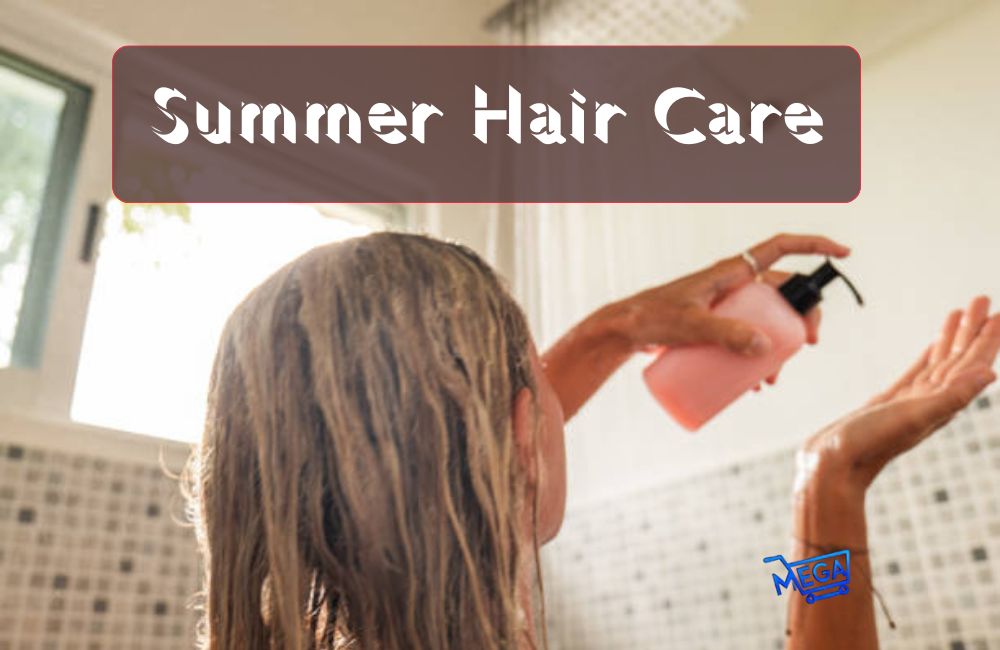

Hot weather can leave natural hair feeling dry, brittle, and harder to manage. Summer hair care is not just about styling. It is about helping your hair hold onto moisture while also protecting it from heat and sun exposure.
If your curls, coils, or kinks seem drier during warmer months, a few small changes can make a real difference. The core approach is simple: support hydration from within, shield hair from the sun, and moisturize more consistently when needed.
Why Hair Often Feels Drier in Summer Time

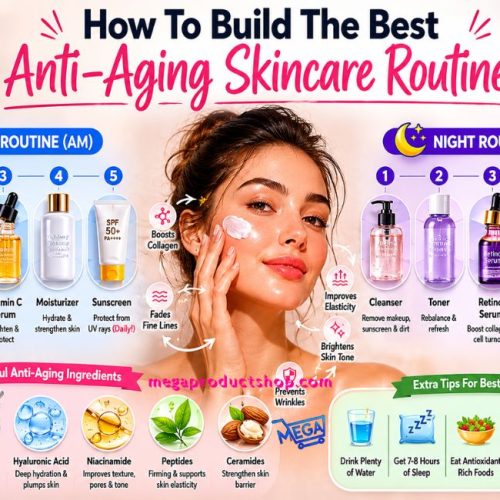
See Also: How To Build The Best Anti-Aging Skincare Routine
Hair feels drier in summer primarily because sun exposure (UV rays) strips away your hair’s natural oils and damages the protein structure (keratin), leaving strands brittle. While humidity is high, this actually creates a deceptive dryness:
Key causes of summer hair dryness:
| Cause | How it dries hair |
| UV rays | Peak in summer; damage the cuticle and break disulphide bonds that give elasticity, sapping moisture |
| Salt water & chlorine | Ocean salt draws water out of hair; chlorine strips natural oils, leaving limp, crunchy strands |
| Sweat | Salt in sweat dries out hair and can irritate the scalp |
| Frequent washing | More shampooing to remove sweat/humidity opens the cuticle, causing moisture loss |
| Heat | High temperatures directly dehydrate hair fibers |
1. Hydrate Your Hair From The Inside
One of the most overlooked parts of summer hair care has nothing to do with products. It starts with water intake.
The body loses fluid throughout the day through sweating, exercise, and normal bodily functions. In hot weather, fluid loss can increase. If that water is not replaced, the body may struggle to function at its best, and that can affect hair health too.
When your body is not getting enough water, your hair may show signs such as:
- Increased shedding
- More breakage
- Weaker strands
- Slow or stagnant growth
- Hair that just seems off balance
How Much Water Should You Drink?
A common guideline is 6 to 8 glasses of water per day. Individual needs can vary, but if you know you are barely drinking water, increasing your intake may help support your overall health and your hair.
Easy ways to drink more water
- Start small with one extra glass a day
- Gradually increase to two, three, or more glasses
- Carry a water bottle with you
- Take regular sips throughout the day instead of waiting until you feel very thirsty
If you are eating well and caring for your hair but still noticing dryness or weakness, low water intake may be one factor worth checking.
2. Protect Your Hair From Sun Exposure
Most people think about protecting their skin in summer, but hair needs protection too. Long exposure to direct sunlight can dry and weaken hair over time.
UV exposure can contribute to:
- Dryness and brittleness
- Changes to natural hair color
- Weakening of the hair’s protein structure
A useful way to think about it is this: many people use heat protectants before blow-drying or straightening. Sun exposure is also a form of heat stress, so it makes sense to protect your hair outdoors as well.
What to Look for in Summer Hair Products
When choosing hair products for hot weather, prioritize protection, hydration, and humidity control. Here’s what to look for:
1. UV Protection (Most Important)
- UV filters that block UVA and UVB rays
- Products with SPF 50 or higher for scalp protection
- Long-lasting UV filters that remain effective even after washing
- UV protection that lasts up to 16 hours
Without UV protection, sun exposure damages the hair cuticle, breaks down keratin proteins, and causes dryness and color fading.
2. Hydration & Moisture
- Super hydrating formulas to combat heat and sea drying
- Infused with natural oils: argan, coconut, jojoba
- Antioxidants (like vitamin E) to fight free radicals
- Protein rebuilders (cotton proteins) to repair damaged hair structure
Look for hydrating shampoos and conditioners that lock in moisture.
3. Humidity & Frizz Control
- Anti-humidity formulas that prevent frizz
- Leave-in conditioners to minimize frizz appearance
- Barrier-forming sprays that create protective film against moisture
4. Swimming Protection
- Chlorine and salt water defense to prevent breakage and discoloration
- Water-resistant mists that protect during swimming
- Deep cleansing shampoo to remove chlorine after pool use
- Detangling formulas for after beach days
5. Heat & Styling Protection
- Heat protectants up to 450°F for thermal defense
- Products that lock in style while shielding from humidity
- Cut drying time in half while protecting against frizz
6. Color Protection
- Color-specific shampoos to lock in color and prevent fading
- Purple shampoos for blonde tones to neutralize brassiness
- UV protection that minimizes color fading
Product Types to Prioritize
| Product Type | Key Features to Look For |
| UV Hair Spray | Sun filters, water-resistant, 16-hour protection |
| Hair Mask | Deep hydration, chlorine/salt defense |
| Leave-in Cream | UV filters, frizz control, vitamin E |
| Heat Protectant | Thermal defense up to 450°F, UV protection |
| Detangling Spray | Natural formulas, beach-friendly |
| Deep Cleansing Shampoo | Chlorine removal, natural/vegan |
Ingredients to Avoid
- Harmful chemicals in deep cleansers that damage hair structure
- Skin SPF products (can affect hair color)
3. Moisturize Your Hair More Often if Summer Dryness Increases
Your regular hair routine may not work exactly the same way in every season. As the weather changes, your hair’s needs can change too.
If your hair feels drier during summer, it is completely reasonable to increase how often you moisturize.
For some people, once a day may be enough. Others may need to moisturize twice a day or refresh their hair more frequently during hot weather. The key is to pay attention to how your hair feels rather than forcing it to stick to the same schedule year-round.
How to Tell if you Need to Moisturize More Often
You need to moisturize your hair more often if you notice these key signs:
Primary Signs Your Hair Needs More Moisture
| Sign | What It Looks/Feels Like |
| Rough or coarse texture | Feels rough all over instead of smooth to the touch |
| Dull, lacks shine | Looks matte, lifeless, or ashy; doesn’t reflect light |
| Frizzy & tangled easily | More frizz that won’t go away, knots and single-strand knots form constantly |
| Brittle & breaking | Breaks mid-shaft or at ends (not just shedding from root); snaps when gently pulled |
| Visible split ends | Ends appear frayed or split |
| Low elasticity | Stretches but doesn’t bounce back, or breaks right away when stretched |
| Rough after washing | Feels “squeaky,” brittle, or takes forever to absorb product after shampooing |
| Itchy or flaky scalp | Dryness at scalp level affects strand health |
| Styles don’t last | Twist-outs, braid-outs, or braids fall flat quickly |
| Drys faster than normal | Seems to dry naturally faster than usual |
Not all Products Moisturize the Same Way
Some products keep hair soft for longer than others. One moisturizer or spray may help hair stay hydrated for two or three days, while another may only last one day before your hair needs more support. That difference can come down to:
- The ingredients in the product
- How your individual hair responds
- The level of heat and dryness in your environment
If a product stops performing well in summer, it does not always mean the product is bad. It may just mean your hair needs more frequent application during that season.
A Simple Summer Hair Care Routine for Natural Hair
If you want an easy framework, keep it simple:
- Drink more water consistently so your body and hair are supported from within.
- Use a product with UV protection before spending time in the sun.
- Cover your hair when possible with a hat, scarf, or wrap.
- Check your hair daily and moisturize more often if it feels dry.
- Adjust your routine based on how your hair responds, not just on habit.
Common Summer Hair Care Mistakes
Many cases of summer dryness come from a few avoidable habits.
Ignoring hydration
Topical products help, but if you are not drinking enough water, your hair may still struggle.
Forgetting sun protection
Moisturized hair can still become dry if it is constantly exposed to direct sun without protection.
Keeping the exact same routine all year
Hair does not always need the same thing in winter, spring, summer, and autumn. Seasonal adjustment is normal.
Assuming all moisturizers work equally well
Some products give longer-lasting results than others. Pay attention to performance, not just label claims.
Not listening to your hair
If your hair is telling you it needs more moisture, respond early before dryness leads to brittleness and breakage.
Frequently Asked Questions
How do I keep my natural hair hydrated in summer?
Focus on three basics: drink enough water, protect your hair from the sun with UV-protective products or coverings, and moisturize more often if your hair dries out faster in hot weather.
Can the sun damage natural hair?
Yes. Sun exposure can dry out the hair, make it brittle, affect natural color, and weaken the hair structure over time.
Should I moisturize my hair every day in summer?
It depends on your hair. Some people may only need daily moisture, while others may need to refresh once or twice a day in hotter conditions. Follow your hair’s response.
What kind of products help protect hair from summer heat?
Products with UV protection or UV filters are useful. These may come as leave-ins, conditioners, sprays, mists, or other moisturizing products.
Why is my hair still dry even though I use good products?
Possible reasons include not drinking enough water, spending time in direct sun without protection, or needing to moisturize more often because of seasonal changes.