


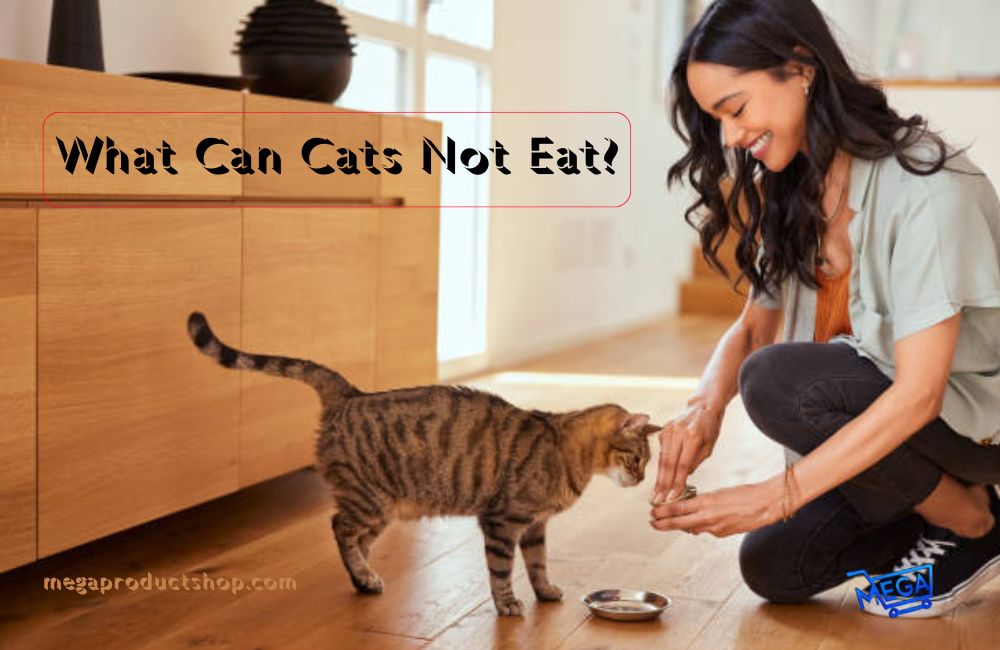
What can cats not eat? Cats may appear curious and willing to taste what is being eaten by the owner, but some of the food that is considered safe for consumption by humans may be harmful or even fatal for cats.
Due to the special nature of the cat’s digestive and metabolic systems, some food components may cause poisoning or health complications for the cat if ingested. Therefore, it is essential for every cat owner to be aware of the foods that should not be consumed by cats and which should be kept out of reach of cats.
In this article, we will discuss the top 10 toxic foods for cats that should not be included in a cat’s diet to ensure the cat is safe and healthy.
What Can Cats Not Eat?

See Also: Can Cats Eat Bananas?
Cats cannot safely eat several common human foods, as they can cause toxicity, digestive issues, or other serious health problems. Your list accurately highlights key dangers like chocolate, nuts, alcohol, caffeine, dairy, onions, raw foods, deli meats, and dog food.
Chocolate: Chocolate is dangerous for cats because it contains theobromine, a stimulant found in cocoa beans. According to veterinarian Bethany Hsia, even small amounts can cause vomiting, tremors, seizures, and serious heart problems.
Dark chocolate, baking chocolate, and cocoa powder are especially toxic because they contain higher levels of theobromine, so cats should never be given chocolate.
Nuts: Veterinarians generally advise against giving nuts to cats because their small size can pose a choking hazard due to the structure of a cat’s throat and airway. If a cat accidentally eats a few nuts, it is usually not serious, but owners should watch for signs such as choking, upset stomach, or loss of appetite and contact a veterinarian if any symptoms occur.
Honey: Not toxic but too sugary for cats and can cause digestive problems
Alcohol: Alcohol is very dangerous for cats, even in small amounts. It depresses the nervous system and can cause dehydration, low blood sugar, and alcohol poisoning, which may be life-threatening due to their small size. Cats should be kept away from alcoholic drinks and foods or desserts that contain alcohol.
Caffeine: Caffeine is a strong stimulant for cats and affects them much more than humans. It can cause restlessness, tremors, irregular heart rhythm, and seizures, and in large amounts, it can be fatal. Cats should never consume foods or drinks containing caffeine.
Most dairy products, including ice cream: Most cats are lactose intolerant, so their bodies cannot properly digest high-lactose foods like milk and ice cream. These foods also contain too much sugar, which can cause digestive problems such as diarrhea and stomach upset. Low-lactose foods like small amounts of cheese or yogurt may be safe occasionally.
Certain vegetables, like onions: Some vegetables can be toxic to cats. Onions, garlic, leeks, and chives can damage red blood cells and may lead to anemia, with garlic being especially dangerous. Wild mushrooms can also cause poisoning, while most store-bought mushrooms are generally safe only in very small amounts.
Raw foods: According to the Center for Veterinary Medicine (CVM), raw foods can be dangerous for cats. Raw meat, eggs, and fish may contain harmful bacteria such as E. coli or Salmonella, while raw dough containing yeast can expand in the stomach and cause serious digestive problems. Small amounts of partially cooked liver may be safe, but too much can lead to vitamin A toxicity.
Deli meats: Most deli meats, such as ham, bologna, and salami, are high in sodium, nitrates, and artificial preservatives, which can harm a cat’s health and may cause food allergies. It’s safer to feed cats plain, lean cooked meats like chicken or turkey and avoid processed or smoked meats.
Dog food: Dog food isn’t suitable as a regular diet for cats. While it isn’t toxic, it lacks essential nutrients cats need, such as meat-based proteins, animal fats, and taurine, which can lead to health problems over time.
What Human Foods Can Cats Eat?
Cats can have small amounts of plain, cooked human foods as special treats, but their main diet must be complete cat food. Cats can be drama queens over a bite off your plate, but it’s not necessary. If you choose to give your cat human food or a special treat, it’s important to make it a healthy, low-calorie, low-fat option and limit it to 10 percent or less of their daily calorie intake. Always check with your veterinarian if you have concerns or if your cat has special health needs.
Safe Proteins
Plain, cooked chicken, turkey, beef, or fish (boneless, skinless, and unseasoned) will provide your cat with the necessary protein and nutrients, such as omega-3 fatty acids. Cooked eggs without salt or oil, but only 1-inch cubes daily, can be safely given to your healthy cat.
Safe Vegetables
Cooked, pureed vegetables such as broccoli, peas, carrots, green beans, pumpkin, or spinach will provide your cat with the necessary fiber, vitamins A and C, but only in small portions, such as ½-inch cubes or 1 teaspoon, 1 to 2 times per week.
Safe Fruits
Small portions of fruits such as berries, strawberries, bananas, or seedless watermelon will provide antioxidants and hydration, but they also have a high sugar content, so they should be consumed in small portions (4-5 fruits per week). Begin by removing seeds, skins, and stems.
Foods to Avoid
Foods to avoid include toxic foods such as onions, garlic, grapes, raisins, chocolate, caffeine, alcohol, xylitol, raw meats, eggs, or fish. Dairy products are also not recommended, especially for cats, because they are lactose intolerant, and bones can cause choking. These foods can cause anemia, kidney failure, poisoning, or choking.
What Food is Toxic to Cats?
A number of commonly available food items are highly toxic to cats and can cause serious illness and/or death even in small quantities. These include onions, garlic, leeks, chocolates, alcohol, grapes, raisins, and caffeinated drinks.
Other hazardous items include raw yeast dough, dairy products, salt, and xylitol-containing food items.
Other Dangerous Items
- Alcohol causes disorientation, breathing problems, coma, and/or death.
- Xylitol in sugar-free gum and candy can cause severe hypoglycemia and liver failure.
- Raw eggs, meat, and fish can cause salmonella infection, and bones can cause choking and fractures.
What Are the Signs Your Cat Has Eaten Something Toxic?
Symptoms of toxicity in cats develop rapidly, especially shortly after the cat ingests the poison. The symptoms can be mild to severe, as discussed in various veterinary texts.
Gastrointestinal Signs
Vomiting and diarrhea are some of the symptoms that often occur, accompanied by drooling or excessive salivation as the cat tries to expel the poison from the system. Loss of appetite or stomach ache is another symptom that occurs as the poison affects the cat’s digestive system, especially when the cat is poisoned with onion or chocolate.
Neurological Signs
Twitching, trembling, seizures, unstable walk, or confusion is another symptom that occurs as the poison affects the nervous system. This is often seen when the cat is poisoned with caffeine, alcohol, or rodenticides. In some cases, the cat may fall into a coma or become hyperactive before the onset of lethargy.
Respiratory and Systemic Signs
Breathing difficulties, coughing, rapid heart rate, and/or shock are signs of impact on more organs in the body. Jaundice (yellow gums/eyes), excessive thirst/urination (kidney problems), pale gums, fever, weakness, and swelling/inflammation.
What To Do if Your Cat Eats Something Toxic?
If you suspect your cat’s snuck on something nasty, don’t wait around to see how it plays out – even if they seem perfectly fine at first. The poisoning symptoms can sneak up on you or get a whole lot worse in no time, so every second counts. First off, get rid of whatever toxin is still lying around so your cat can’t get a hold of it & make things worse.
Next, get on the phone with your vet, an emergency pet clinic in the area, or the Pet Poison Helpline at (855) 764-7661. They can give you the lowdown on the situation and tell you what to do next . If you get a call to go to the emergency vet right away – or your cat is already showing signs of trouble like vomiting, being super lethargic, or just being plain weird – you need to get moving ASAP.
Make sure you’re ready to give them all the details – like what your cat had to eat, how much of it they had, and when it happened. Bringing the packaging or the ingredient list can really help them figure out what’s going on & what to do.
Don’t even think about trying to make them puke unless a vet tells you to – it can sometimes do more harm than good. Acting quickly and smart is what’s gonna keep your cat safe and healthy.
Recommended Product

Emmy’s Best EBPP Stop The Scratch Cat Spray Deterrent for Kittens
- Exclusive Keep Off Cat Spray
- More Effective Than Tape and Noisemakers
- Non-Toxic & Pet-Safe
- Easy to Use, Just Spray to Deter
- Safe for Your Home
Emmy’s Best EBPP Stop The Scratch Cat Spray (32oz) helps prevent unwanted scratching and marking using a natural rosemary oil formula. It’s non-toxic, safe for kittens and cats, and can be used on furniture, floors, plants, and more for easy, effective training.
Recommended Product

INABA Churu Cat Treats
- Made with trusted, wholesome ingredients
- Harmless ingredients free
- Add variety to your cat’s life
- Feed them from your hand
INABA Churu Cat Treats (100 Tubes Bundle) are creamy, lickable purée treats your cat will love. Made with real tuna and chicken, they’re enriched with Vitamin E and taurine to support overall health. Perfect for hand-feeding, training, or adding moisture to your cat’s diet.
Recommended Product

Temptations Cat Treat ShakeUps
- Delicious Chicken Flavor
- Exciting Shake Ups Mix
- deal for Treating & Training
- Highly Palatable
Temptations Cat Treat ShakeUps – Clucky Carnival (Pack of 12, 2.47 oz each) are irresistible dual-texture treats with a crunchy outside and soft inside. Made with tasty chicken flavors, they’re perfect for rewarding your cat while providing a fun and delicious snacking experience.
Recommended Product

Vital Essentials Freeze Dried Raw Cat Treats
- Freeze-Dried Raw Chicken Heart Cat Treats
- Freeze-Dried Raw Chicken Breast Cat Treats
- Freeze-Dried Raw Chicken Intestine Cat Treats
- Proudly Made in America
- Made without ingredients that
Vital Essentials Freeze Dried Raw Cat Treats – Chicken Lovers Variety Pack offers a nutritious, protein-rich snack made from real chicken. This bundle includes chicken breast, heart, and giblet treats, all freeze-dried to preserve natural flavor and nutrients. Perfect for cats who crave raw, high-quality treats in a convenient, mess-free form.
FAQs About What Cats Can’t Eat
What human food can cats eat every day?
Cats should mainly eat high-quality cat food. Small amounts of plain cooked meats, such as chicken, turkey, or fish, can be given daily, but human food should only be a supplement—not a replacement.
What can cats eat?
Cats can eat cooked meat (chicken, turkey, beef), certain fish, and small portions of safe foods like plain rice or pumpkin. Always keep it simple—no spices, salt, or sauces.
What can cats eat and not eat?
Safe: Cooked meat, fish, eggs (plain), and some vegetables like carrots.
Avoid: Chocolate, onions, garlic, grapes, raisins, alcohol, caffeine, and anything heavily seasoned or processed.
What can cats eat from the fridge?
Leftover plain cooked chicken, turkey, or fish (unseasoned) is usually safe. Avoid dairy-heavy foods, sauces, or anything spoiled or strongly seasoned.
What do cats eat and drink?
Cats eat meat-based diets and should drink fresh, clean water daily. Some cats may enjoy wet food, which also helps with hydration.
Can cats eat bananas?
Yes, in small amounts. Bananas are safe but high in sugar, so they should only be an occasional treat.
Can cats eat bread?
Yes, plain bread is not toxic, but it has little nutritional value for cats. Give only small pieces occasionally.
Can cats eat turkey slices?
Yes, if they are plain, cooked, and unseasoned. Avoid processed deli turkey because it often contains salt and preservatives that aren’t good for cats.