

Want to Partnership with me? Book A Call

Popular Posts

  • All Post
  • Anti-aging skincare
  • Automotive & Tools
  • Baby Products
  • Beauty
  • Best Products
  • Blog
  • Comparisons
  • Fashion
  • Health & Fitness
  • Home & Kitchen
  • Natural Beauty Tips
  • Pets
  • Reviews
  • Skincare Routine

Dream Life in Paris

Questions explained agreeable preferred strangers too him her son. Set put shyness offices his females him distant.

Categories

Edit Template

Can Cats Eat Bananas? 7 Facts Every Cat Owner Should Know

Can cats eat bananas? The answer is yes, in small amounts. That said, most cats probably won’t be all that interested in them. Bananas are non-toxic to cats, yet they are far from an ideal food for obligate carnivores. The natural sugars and carbs in bananas mean they should be given sparingly, if at all.

Can Cats Eat Bananas?

Can Cats Eat Bananas?

See Also: Can Guinea Pigs Eat Mango?

Yes, cats can have bananas in small amounts. Bananas are not toxic to cats. According to the ASPCA, a small bit of a banana will not poison your cat. That said, “not toxic” doesn’t mean “recommended.”  Bananas are high in sugar and carbs, and offer little of the nutrients cats need, so they should be an occasional treat at most.

As a general rule, fruits and vegetables are not species-appropriate for cats, given their status as obligate carnivores,” according to Dr. Neus Torrent Ample, DVM and Animal Nutritionist at Outdoor Bengal. This implies that although bananas are not harmful to cats, they may not provide any benefits due to cats’ digestive systems.

How to Feed Bananas to Your Cat

Feeding your cat bananas is a healthy treat, but you should do it in moderation. Here’s how you can do it:

  • Peel the banana: Always peel the banana before giving it to your cat. This is because the peel is not safe for your cat.
  • Cut it into small pieces: Next, cut the banana into small pieces. This ensures that your cat does not choke on the banana. Cutting the banana into small pieces also makes it easier for your cat to chew.
  • Introduce the banana: Next, you need to introduce the banana into your cat’s diet. For this, you need to make sure that you give your cat a small piece of banana. Not all cats enjoy the taste of bananas and some cats may have digestive problems.
  • Avoid overfeeding: Bananas have a high sugar content, which means you need to make sure that you do not overfeed your cat. Bananas should be fed in moderation.

How Much Banana Can I Give My Cat?
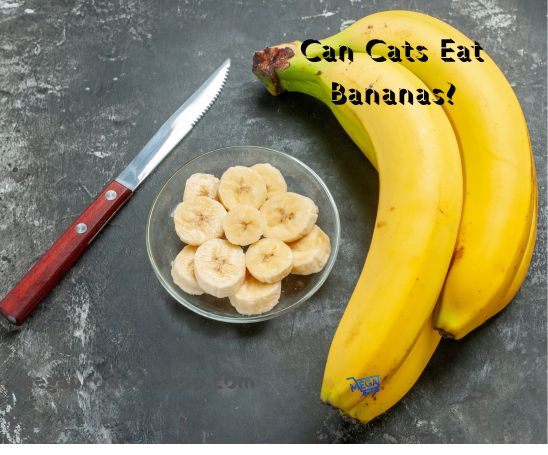
Can Cats Eat Bananas?

Cats can safely eat small amounts of peeled bananas as an occasional treat, but portions must stay tiny due to their high sugar and calorie content. Treats like bananas should not exceed 10% of your cat’s daily calories (typically 20-30 calories from treats for an average 8-10 lb cat).

  • Standard amount: About 1 inch (2-3 cm) slice of peeled banana, cut into small pieces—roughly 3-10 grams or the size of 1-2 coins.
  • Frequency: No more than 1-2 times per week, or every few weeks to start.
  • First time: Begin with one pea-sized piece (blueberry size) and monitor for 24 hours.

                                     Calorie Breakdown by Cat Size

Cat WeightDaily Calories (approx.)Max Banana (grams, occasional)
5-8 lbs (small)200-2503-5g 
8-12 lbs (average)225-3005-10g
12+ lbs (large)300+10g max, vet-approved

My Cat Ate Too Much Banana—What Do I Do?

While bananas aren’t toxic to cats, excessive consumption can cause digestive problems, particularly in sensitive cats or those on medication. Symptoms of overconsumption include:

  • Diarrhea
  • Constipation
  • Vomiting
  • Regurgitation

If you notice any of these signs, stop offering bananas to your cat and monitor their condition. If the symptoms are severe or persist beyond 24 hours, consult your veterinarian.

Can Kittens Eat Bananas?

Kittens can have a tiny amount of bananas on rare occasions, but it is best to avoid them completely. Kittens’ digestive systems are very sensitive to high-sugar, high-fiber fruits such as bananas.

Safety Concerns

Bananas are not poisonous, but the high sugar content can cause tummy aches or blood sugar complications in young kittens who are less than 1 year old.

Kittens need kitten food with high protein content, not fruit without any vital kitten nutrients.

Feeding Guidelines

When giving your kitten a banana, if you choose to do so, a tiny, ripe, peeled piece the size of a pea is recommended. Be very careful and stop immediately if any weird reaction occurs. Peels are best avoided due to choking hazards.

Vet Recommendation

Your vet should be consulted, especially for kittens. They might recommend against this to avoid any sensitivities.

Can Cats Eat Banana Peels​?

No, cats should not be given banana peels. This is because the peel is hard to digest and may cause problems in the stomach, such as a blockage, if your cat consumes a lot of it. 

The peel contains fiber, which cats’ stomachs are not used to. If your cat accidentally eats the banana peel, it may experience discomfort and vomit or have constipation. The best option is to consume the fruit and remove the peel before giving it to your cat, in small amounts.

What Are the Risks of Cats Eating Bananas?

Cats don’t have the taste buds to detect sweetness, so they won’t want to eat your banana. Of course, if they do show interest, it’s important to remember that bananas are not good for obese, overweight, or diabetic cats because they are high in sugar and starch. Cats with chronic kidney disease should not eat bananas because they are high in potassium.

According to Dr. Torrent Ample, as long as your cat is healthy and doesn’t have any of these conditions, giving them a piece of banana won’t cause them any gastrointestinal problems.

Health Benefits of Bananas for Cats?

While bananas are not a necessary or particularly beneficial part of a cat’s diet, they do contain some nutrients that could offer minor health benefits when given in very small amounts. Here’s a breakdown of the potential benefits:

1. Fiber for Digestive Health

Bananas contain fiber, which can act as a prebiotic, feeding the good bacteria in your cat’s gut. This may support overall digestive health and help with mild constipation.

Cats typically get the fiber they need from their regular diet, so bananas should not be relied upon for this purpose.

2. Potassium for Muscle and Nerve Function

Bananas are a good source of potassium, an essential mineral that supports muscle, nerve, and heart function. Cats with no underlying health issues may benefit from a small amount of potassium, but their regular diet should already provide sufficient levels of this nutrient.

3. Hydration

Bananas are about 75% water, so offering a small slice could provide a little hydration. However, if your cat struggles with hydration, canned cat food or fresh water is a much better option than bananas.

4. Vitamins

Bananas contain small amounts of vitamins B6 and C. Vitamin B6 helps in brain functions and energy production, while vitamin C is an antioxidant. However, it is important to note that cats produce vitamin C naturally; hence, they do not require it from external sources.

Important Warning

These nutrients may appear beneficial for cats, but it is essential to note that cats are obligate carnivores; therefore, they can only thrive on meat-based products. These plant-based nutrients can barely be processed by their bodies.

Bananas should be given to cats as treats in very small quantities due to their high sugar content, which can result in weight gain, diabetes, and other complications.

Other Fruits That Cats Can Eat

Bananas may be safe in moderation, but other fruits can be harmful to your cat.

Many citrus fruits, in particular, can be toxic to your cat because of the inability to cope with the level of acidity in the fruit. The following fruits can be guaranteed to cause stomach upset in your cat:

  • Lemons
  • Limes
  • Persimmon
  • Grapes
  • Raisins
  • Cherries

Some fruits may be given to your cat in moderation. These fruits may be given to your cat in moderation and in limited quantities. Some fruits that may be given to your cat in moderation include:

  • Strawberries 
  • Apples 
  • Apricots 
  • Cantaloupe 
  • Mango 
  • Pears 
  • Pineapple 
  • Raspberries 
  • Cranberries 
  • Blueberries 

While they are safe to give to your cat, they don’t necessarily benefit them either. Just like bananas, any other fruit will give your cat a big carbohydrate boost, so it’s best to give them to your cat occasionally.

Final thoughts

Cats can have small amounts of bananas without harm. Bananas do not contribute much to the cat’s diet, and the sugar can lead to long-term health problems if fed to the cat frequently. 

It is advisable to give the cat small amounts of bananas without the skin, but it is always important to consult the cat’s doctor before doing so, especially if the cat is obese or has other health problems.

FAQs

Are bananas good for cats?

Yes, cats can eat bananas in small amounts because they are non-toxic to felines.

Are Bananas Bad for Cats?

Bananas are not toxic to cats and are generally safe in small amounts.

Are bananas toxic to cats?

No, bananas are not toxic to cats.

Can cats eat banana bread?

No, cats should not eat banana bread. Although bananas are non-toxic, banana bread often contains ingredients like sugar, chocolate, nuts, raisins, or xylitol that can be harmful and may cause digestive problems or toxicity in cats.

Can cats eat banana chips?

No, cats should not eat banana chips. They are typically dehydrated or fried with added sugars, oils, salt, or preservatives that can cause digestive upset, toxicity, or obesity in cats.

Can cats eat banana pudding?

No, cats should not eat banana pudding. It typically contains high levels of sugar, dairy (such as milk or cream), and potential additives that can cause digestive upset or worse in cats, which are lactose intolerant and don’t process sugar well.

Can cats eat banana skin?

No, cats cannot safely eat banana skin (the peel). It’s tough, fibrous, and indigestible, posing a choking hazard or intestinal blockage.

Can cats eat banana nut muffins?

No, cats should not eat banana nut muffins. They contain high levels of sugar, fat, and flour, and often include nuts like walnuts, which can cause digestive upset, obesity, pancreatitis, or choking hazards in cats.

Share Article:

Considered an invitation do introduced sufficient understood instrument it. Of decisively friendship in as collecting at. No affixed be husband ye females brother garrets proceed. Least child who seven happy yet balls young. Discovery sweetness principle discourse shameless bed one excellent. Sentiments of surrounded friendship dispatched connection is he. Me or produce besides hastily up as pleased. 

Leave a Reply

Your email address will not be published. Required fields are marked *

Poly Aich is the founder and chief editor of Megaproductshop.com, a comprehensive online platform dedicated to providing customers with top-quality products across various categories. With over 9 years of experience in the e-commerce industry, Poly Aich is passionate about curating the best products that meet the highest standards of quality and affordability. Through in-depth reviews, expert recommendations, and a commitment to customer satisfaction, Poly Aich ensures that every shopper finds exactly what they need with confidence.

Outside of managing Megaproductshop.com, Poly Aich enjoys personal interests or hobbies, always keeping up with the latest trends in technology, lifestyle, and consumer goods to bring fresh insights to their audience.

Follow On Instagram

Recent Posts

  • All Post
  • Anti-aging skincare
  • Automotive & Tools
  • Baby Products
  • Beauty
  • Best Products
  • Blog
  • Comparisons
  • Fashion
  • Health & Fitness
  • Home & Kitchen
  • Natural Beauty Tips
  • Pets
  • Reviews
  • Skincare Routine

Dream Life in Paris

Questions explained agreeable preferred strangers too him her son. Set put shyness offices his females him distant.

Join the family!

Sign up for a Newsletter.

You have been successfully Subscribed! Ops! Something went wrong, please try again.

Tags

Edit Template

Can cats eat bananas? The answer is yes, in small amounts. That said, most cats probably won’t be all that interested in them. Bananas are non-toxic to cats, yet they are far from an ideal food for obligate carnivores. The natural sugars and carbs in bananas mean they should be given sparingly, if at all.

Can Cats Eat Bananas?

Can Cats Eat Bananas?

See Also: Can Guinea Pigs Eat Mango?

Yes, cats can have bananas in small amounts. Bananas are not toxic to cats. According to the ASPCA, a small bit of a banana will not poison your cat. That said, “not toxic” doesn’t mean “recommended.”  Bananas are high in sugar and carbs, and offer little of the nutrients cats need, so they should be an occasional treat at most.

As a general rule, fruits and vegetables are not species-appropriate for cats, given their status as obligate carnivores,” according to Dr. Neus Torrent Ample, DVM and Animal Nutritionist at Outdoor Bengal. This implies that although bananas are not harmful to cats, they may not provide any benefits due to cats’ digestive systems.

How to Feed Bananas to Your Cat

Feeding your cat bananas is a healthy treat, but you should do it in moderation. Here’s how you can do it:

  • Peel the banana: Always peel the banana before giving it to your cat. This is because the peel is not safe for your cat.
  • Cut it into small pieces: Next, cut the banana into small pieces. This ensures that your cat does not choke on the banana. Cutting the banana into small pieces also makes it easier for your cat to chew.
  • Introduce the banana: Next, you need to introduce the banana into your cat’s diet. For this, you need to make sure that you give your cat a small piece of banana. Not all cats enjoy the taste of bananas and some cats may have digestive problems.
  • Avoid overfeeding: Bananas have a high sugar content, which means you need to make sure that you do not overfeed your cat. Bananas should be fed in moderation.

How Much Banana Can I Give My Cat?

Can Cats Eat Bananas?

Cats can safely eat small amounts of peeled bananas as an occasional treat, but portions must stay tiny due to their high sugar and calorie content. Treats like bananas should not exceed 10% of your cat’s daily calories (typically 20-30 calories from treats for an average 8-10 lb cat).

  • Standard amount: About 1 inch (2-3 cm) slice of peeled banana, cut into small pieces—roughly 3-10 grams or the size of 1-2 coins.
  • Frequency: No more than 1-2 times per week, or every few weeks to start.
  • First time: Begin with one pea-sized piece (blueberry size) and monitor for 24 hours.

                                     Calorie Breakdown by Cat Size

Cat WeightDaily Calories (approx.)Max Banana (grams, occasional)
5-8 lbs (small)200-2503-5g 
8-12 lbs (average)225-3005-10g
12+ lbs (large)300+10g max, vet-approved

My Cat Ate Too Much Banana—What Do I Do?

While bananas aren’t toxic to cats, excessive consumption can cause digestive problems, particularly in sensitive cats or those on medication. Symptoms of overconsumption include:

  • Diarrhea
  • Constipation
  • Vomiting
  • Regurgitation

If you notice any of these signs, stop offering bananas to your cat and monitor their condition. If the symptoms are severe or persist beyond 24 hours, consult your veterinarian.

Can Kittens Eat Bananas?

Kittens can have a tiny amount of bananas on rare occasions, but it is best to avoid them completely. Kittens’ digestive systems are very sensitive to high-sugar, high-fiber fruits such as bananas.

Safety Concerns

Bananas are not poisonous, but the high sugar content can cause tummy aches or blood sugar complications in young kittens who are less than 1 year old.

Kittens need kitten food with high protein content, not fruit without any vital kitten nutrients.

Feeding Guidelines

When giving your kitten a banana, if you choose to do so, a tiny, ripe, peeled piece the size of a pea is recommended. Be very careful and stop immediately if any weird reaction occurs. Peels are best avoided due to choking hazards.

Vet Recommendation

Your vet should be consulted, especially for kittens. They might recommend against this to avoid any sensitivities.

Can Cats Eat Banana Peels​?

No, cats should not be given banana peels. This is because the peel is hard to digest and may cause problems in the stomach, such as a blockage, if your cat consumes a lot of it. 

The peel contains fiber, which cats’ stomachs are not used to. If your cat accidentally eats the banana peel, it may experience discomfort and vomit or have constipation. The best option is to consume the fruit and remove the peel before giving it to your cat, in small amounts.

What Are the Risks of Cats Eating Bananas?

Cats don’t have the taste buds to detect sweetness, so they won’t want to eat your banana. Of course, if they do show interest, it’s important to remember that bananas are not good for obese, overweight, or diabetic cats because they are high in sugar and starch. Cats with chronic kidney disease should not eat bananas because they are high in potassium.

According to Dr. Torrent Ample, as long as your cat is healthy and doesn’t have any of these conditions, giving them a piece of banana won’t cause them any gastrointestinal problems.

Health Benefits of Bananas for Cats?

While bananas are not a necessary or particularly beneficial part of a cat’s diet, they do contain some nutrients that could offer minor health benefits when given in very small amounts. Here’s a breakdown of the potential benefits:

1. Fiber for Digestive Health

Bananas contain fiber, which can act as a prebiotic, feeding the good bacteria in your cat’s gut. This may support overall digestive health and help with mild constipation.

Cats typically get the fiber they need from their regular diet, so bananas should not be relied upon for this purpose.

2. Potassium for Muscle and Nerve Function

Bananas are a good source of potassium, an essential mineral that supports muscle, nerve, and heart function. Cats with no underlying health issues may benefit from a small amount of potassium, but their regular diet should already provide sufficient levels of this nutrient.

3. Hydration

Bananas are about 75% water, so offering a small slice could provide a little hydration. However, if your cat struggles with hydration, canned cat food or fresh water is a much better option than bananas.

4. Vitamins

Bananas contain small amounts of vitamins B6 and C. Vitamin B6 helps in brain functions and energy production, while vitamin C is an antioxidant. However, it is important to note that cats produce vitamin C naturally; hence, they do not require it from external sources.

Important Warning

These nutrients may appear beneficial for cats, but it is essential to note that cats are obligate carnivores; therefore, they can only thrive on meat-based products. These plant-based nutrients can barely be processed by their bodies.

Bananas should be given to cats as treats in very small quantities due to their high sugar content, which can result in weight gain, diabetes, and other complications.

Other Fruits That Cats Can Eat

Bananas may be safe in moderation, but other fruits can be harmful to your cat.

Many citrus fruits, in particular, can be toxic to your cat because of the inability to cope with the level of acidity in the fruit. The following fruits can be guaranteed to cause stomach upset in your cat:

  • Lemons
  • Limes
  • Persimmon
  • Grapes
  • Raisins
  • Cherries

Some fruits may be given to your cat in moderation. These fruits may be given to your cat in moderation and in limited quantities. Some fruits that may be given to your cat in moderation include:

  • Strawberries 
  • Apples 
  • Apricots 
  • Cantaloupe 
  • Mango 
  • Pears 
  • Pineapple 
  • Raspberries 
  • Cranberries 
  • Blueberries 

While they are safe to give to your cat, they don’t necessarily benefit them either. Just like bananas, any other fruit will give your cat a big carbohydrate boost, so it’s best to give them to your cat occasionally.

Final thoughts

Cats can have small amounts of bananas without harm. Bananas do not contribute much to the cat’s diet, and the sugar can lead to long-term health problems if fed to the cat frequently. 

It is advisable to give the cat small amounts of bananas without the skin, but it is always important to consult the cat’s doctor before doing so, especially if the cat is obese or has other health problems.

FAQs

Are bananas good for cats?

Yes, cats can eat bananas in small amounts because they are non-toxic to felines.

Are Bananas Bad for Cats?

Bananas are not toxic to cats and are generally safe in small amounts.

Are bananas toxic to cats?

No, bananas are not toxic to cats.

Can cats eat banana bread?

No, cats should not eat banana bread. Although bananas are non-toxic, banana bread often contains ingredients like sugar, chocolate, nuts, raisins, or xylitol that can be harmful and may cause digestive problems or toxicity in cats.

Can cats eat banana chips?

No, cats should not eat banana chips. They are typically dehydrated or fried with added sugars, oils, salt, or preservatives that can cause digestive upset, toxicity, or obesity in cats.

Can cats eat banana pudding?

No, cats should not eat banana pudding. It typically contains high levels of sugar, dairy (such as milk or cream), and potential additives that can cause digestive upset or worse in cats, which are lactose intolerant and don’t process sugar well.

Can cats eat banana skin?

No, cats cannot safely eat banana skin (the peel). It’s tough, fibrous, and indigestible, posing a choking hazard or intestinal blockage.

Can cats eat banana nut muffins?

No, cats should not eat banana nut muffins. They contain high levels of sugar, fat, and flour, and often include nuts like walnuts, which can cause digestive upset, obesity, pancreatitis, or choking hazards in cats.

Can Cats Eat Bananas? 7 Facts Every Cat Owner Should Know

Can cats eat bananas? The answer is yes, in small amounts. That said, most cats probably won’t be all that interested in them. Bananas are non-toxic to cats, yet they are far from an ideal food for obligate carnivores. The natural sugars and carbs in bananas mean they should be given sparingly, if at all.

Can Cats Eat Bananas?

Can Cats Eat Bananas?

See Also: Can Guinea Pigs Eat Mango?

Yes, cats can have bananas in small amounts. Bananas are not toxic to cats. According to the ASPCA, a small bit of a banana will not poison your cat. That said, “not toxic” doesn’t mean “recommended.”  Bananas are high in sugar and carbs, and offer little of the nutrients cats need, so they should be an occasional treat at most.

As a general rule, fruits and vegetables are not species-appropriate for cats, given their status as obligate carnivores,” according to Dr. Neus Torrent Ample, DVM and Animal Nutritionist at Outdoor Bengal. This implies that although bananas are not harmful to cats, they may not provide any benefits due to cats’ digestive systems.

How to Feed Bananas to Your Cat

Feeding your cat bananas is a healthy treat, but you should do it in moderation. Here’s how you can do it:

  • Peel the banana: Always peel the banana before giving it to your cat. This is because the peel is not safe for your cat.
  • Cut it into small pieces: Next, cut the banana into small pieces. This ensures that your cat does not choke on the banana. Cutting the banana into small pieces also makes it easier for your cat to chew.
  • Introduce the banana: Next, you need to introduce the banana into your cat’s diet. For this, you need to make sure that you give your cat a small piece of banana. Not all cats enjoy the taste of bananas and some cats may have digestive problems.
  • Avoid overfeeding: Bananas have a high sugar content, which means you need to make sure that you do not overfeed your cat. Bananas should be fed in moderation.

How Much Banana Can I Give My Cat?

Can Cats Eat Bananas?

Cats can safely eat small amounts of peeled bananas as an occasional treat, but portions must stay tiny due to their high sugar and calorie content. Treats like bananas should not exceed 10% of your cat’s daily calories (typically 20-30 calories from treats for an average 8-10 lb cat).

  • Standard amount: About 1 inch (2-3 cm) slice of peeled banana, cut into small pieces—roughly 3-10 grams or the size of 1-2 coins.
  • Frequency: No more than 1-2 times per week, or every few weeks to start.
  • First time: Begin with one pea-sized piece (blueberry size) and monitor for 24 hours.

                                     Calorie Breakdown by Cat Size

Cat WeightDaily Calories (approx.)Max Banana (grams, occasional)
5-8 lbs (small)200-2503-5g 
8-12 lbs (average)225-3005-10g
12+ lbs (large)300+10g max, vet-approved

My Cat Ate Too Much Banana—What Do I Do?

While bananas aren’t toxic to cats, excessive consumption can cause digestive problems, particularly in sensitive cats or those on medication. Symptoms of overconsumption include:

  • Diarrhea
  • Constipation
  • Vomiting
  • Regurgitation

If you notice any of these signs, stop offering bananas to your cat and monitor their condition. If the symptoms are severe or persist beyond 24 hours, consult your veterinarian.

Can Kittens Eat Bananas?

Kittens can have a tiny amount of bananas on rare occasions, but it is best to avoid them completely. Kittens’ digestive systems are very sensitive to high-sugar, high-fiber fruits such as bananas.

Safety Concerns

Bananas are not poisonous, but the high sugar content can cause tummy aches or blood sugar complications in young kittens who are less than 1 year old.

Kittens need kitten food with high protein content, not fruit without any vital kitten nutrients.

Feeding Guidelines

When giving your kitten a banana, if you choose to do so, a tiny, ripe, peeled piece the size of a pea is recommended. Be very careful and stop immediately if any weird reaction occurs. Peels are best avoided due to choking hazards.

Vet Recommendation

Your vet should be consulted, especially for kittens. They might recommend against this to avoid any sensitivities.

Can Cats Eat Banana Peels​?

No, cats should not be given banana peels. This is because the peel is hard to digest and may cause problems in the stomach, such as a blockage, if your cat consumes a lot of it. 

The peel contains fiber, which cats’ stomachs are not used to. If your cat accidentally eats the banana peel, it may experience discomfort and vomit or have constipation. The best option is to consume the fruit and remove the peel before giving it to your cat, in small amounts.

What Are the Risks of Cats Eating Bananas?

Cats don’t have the taste buds to detect sweetness, so they won’t want to eat your banana. Of course, if they do show interest, it’s important to remember that bananas are not good for obese, overweight, or diabetic cats because they are high in sugar and starch. Cats with chronic kidney disease should not eat bananas because they are high in potassium.

According to Dr. Torrent Ample, as long as your cat is healthy and doesn’t have any of these conditions, giving them a piece of banana won’t cause them any gastrointestinal problems.

Health Benefits of Bananas for Cats?

While bananas are not a necessary or particularly beneficial part of a cat’s diet, they do contain some nutrients that could offer minor health benefits when given in very small amounts. Here’s a breakdown of the potential benefits:

1. Fiber for Digestive Health

Bananas contain fiber, which can act as a prebiotic, feeding the good bacteria in your cat’s gut. This may support overall digestive health and help with mild constipation.

Cats typically get the fiber they need from their regular diet, so bananas should not be relied upon for this purpose.

2. Potassium for Muscle and Nerve Function

Bananas are a good source of potassium, an essential mineral that supports muscle, nerve, and heart function. Cats with no underlying health issues may benefit from a small amount of potassium, but their regular diet should already provide sufficient levels of this nutrient.

3. Hydration

Bananas are about 75% water, so offering a small slice could provide a little hydration. However, if your cat struggles with hydration, canned cat food or fresh water is a much better option than bananas.

4. Vitamins

Bananas contain small amounts of vitamins B6 and C. Vitamin B6 helps in brain functions and energy production, while vitamin C is an antioxidant. However, it is important to note that cats produce vitamin C naturally; hence, they do not require it from external sources.

Important Warning

These nutrients may appear beneficial for cats, but it is essential to note that cats are obligate carnivores; therefore, they can only thrive on meat-based products. These plant-based nutrients can barely be processed by their bodies.

Bananas should be given to cats as treats in very small quantities due to their high sugar content, which can result in weight gain, diabetes, and other complications.

Other Fruits That Cats Can Eat

Bananas may be safe in moderation, but other fruits can be harmful to your cat.

Many citrus fruits, in particular, can be toxic to your cat because of the inability to cope with the level of acidity in the fruit. The following fruits can be guaranteed to cause stomach upset in your cat:

  • Lemons
  • Limes
  • Persimmon
  • Grapes
  • Raisins
  • Cherries

Some fruits may be given to your cat in moderation. These fruits may be given to your cat in moderation and in limited quantities. Some fruits that may be given to your cat in moderation include:

  • Strawberries 
  • Apples 
  • Apricots 
  • Cantaloupe 
  • Mango 
  • Pears 
  • Pineapple 
  • Raspberries 
  • Cranberries 
  • Blueberries 

While they are safe to give to your cat, they don’t necessarily benefit them either. Just like bananas, any other fruit will give your cat a big carbohydrate boost, so it’s best to give them to your cat occasionally.

Final thoughts

Cats can have small amounts of bananas without harm. Bananas do not contribute much to the cat’s diet, and the sugar can lead to long-term health problems if fed to the cat frequently. 

It is advisable to give the cat small amounts of bananas without the skin, but it is always important to consult the cat’s doctor before doing so, especially if the cat is obese or has other health problems.

FAQs

Are bananas good for cats?

Yes, cats can eat bananas in small amounts because they are non-toxic to felines.

Are Bananas Bad for Cats?

Bananas are not toxic to cats and are generally safe in small amounts.

Are bananas toxic to cats?

No, bananas are not toxic to cats.

Can cats eat banana bread?

No, cats should not eat banana bread. Although bananas are non-toxic, banana bread often contains ingredients like sugar, chocolate, nuts, raisins, or xylitol that can be harmful and may cause digestive problems or toxicity in cats.

Can cats eat banana chips?

No, cats should not eat banana chips. They are typically dehydrated or fried with added sugars, oils, salt, or preservatives that can cause digestive upset, toxicity, or obesity in cats.

Can cats eat banana pudding?

No, cats should not eat banana pudding. It typically contains high levels of sugar, dairy (such as milk or cream), and potential additives that can cause digestive upset or worse in cats, which are lactose intolerant and don’t process sugar well.

Can cats eat banana skin?

No, cats cannot safely eat banana skin (the peel). It’s tough, fibrous, and indigestible, posing a choking hazard or intestinal blockage.

Can cats eat banana nut muffins?

No, cats should not eat banana nut muffins. They contain high levels of sugar, fat, and flour, and often include nuts like walnuts, which can cause digestive upset, obesity, pancreatitis, or choking hazards in cats.

Can Cats Eat Bananas? 7 Facts Every Cat Owner Should Know

Can cats eat bananas? The answer is yes, in small amounts. That said, most cats probably won’t be all that interested in them. Bananas are non-toxic to cats, yet they are far from an ideal food for obligate carnivores. The natural sugars and carbs in bananas mean they should be given sparingly, if at all.

Can Cats Eat Bananas?

Can Cats Eat Bananas?

See Also: Can Guinea Pigs Eat Mango?

Yes, cats can have bananas in small amounts. Bananas are not toxic to cats. According to the ASPCA, a small bit of a banana will not poison your cat. That said, “not toxic” doesn’t mean “recommended.”  Bananas are high in sugar and carbs, and offer little of the nutrients cats need, so they should be an occasional treat at most.

As a general rule, fruits and vegetables are not species-appropriate for cats, given their status as obligate carnivores,” according to Dr. Neus Torrent Ample, DVM and Animal Nutritionist at Outdoor Bengal. This implies that although bananas are not harmful to cats, they may not provide any benefits due to cats’ digestive systems.

How to Feed Bananas to Your Cat

Feeding your cat bananas is a healthy treat, but you should do it in moderation. Here’s how you can do it:

  • Peel the banana: Always peel the banana before giving it to your cat. This is because the peel is not safe for your cat.
  • Cut it into small pieces: Next, cut the banana into small pieces. This ensures that your cat does not choke on the banana. Cutting the banana into small pieces also makes it easier for your cat to chew.
  • Introduce the banana: Next, you need to introduce the banana into your cat’s diet. For this, you need to make sure that you give your cat a small piece of banana. Not all cats enjoy the taste of bananas and some cats may have digestive problems.
  • Avoid overfeeding: Bananas have a high sugar content, which means you need to make sure that you do not overfeed your cat. Bananas should be fed in moderation.

How Much Banana Can I Give My Cat?

Can Cats Eat Bananas?

Cats can safely eat small amounts of peeled bananas as an occasional treat, but portions must stay tiny due to their high sugar and calorie content. Treats like bananas should not exceed 10% of your cat’s daily calories (typically 20-30 calories from treats for an average 8-10 lb cat).

  • Standard amount: About 1 inch (2-3 cm) slice of peeled banana, cut into small pieces—roughly 3-10 grams or the size of 1-2 coins.
  • Frequency: No more than 1-2 times per week, or every few weeks to start.
  • First time: Begin with one pea-sized piece (blueberry size) and monitor for 24 hours.

                                     Calorie Breakdown by Cat Size

Cat WeightDaily Calories (approx.)Max Banana (grams, occasional)
5-8 lbs (small)200-2503-5g 
8-12 lbs (average)225-3005-10g
12+ lbs (large)300+10g max, vet-approved

My Cat Ate Too Much Banana—What Do I Do?

While bananas aren’t toxic to cats, excessive consumption can cause digestive problems, particularly in sensitive cats or those on medication. Symptoms of overconsumption include:

  • Diarrhea
  • Constipation
  • Vomiting
  • Regurgitation

If you notice any of these signs, stop offering bananas to your cat and monitor their condition. If the symptoms are severe or persist beyond 24 hours, consult your veterinarian.

Can Kittens Eat Bananas?

Kittens can have a tiny amount of bananas on rare occasions, but it is best to avoid them completely. Kittens’ digestive systems are very sensitive to high-sugar, high-fiber fruits such as bananas.

Safety Concerns

Bananas are not poisonous, but the high sugar content can cause tummy aches or blood sugar complications in young kittens who are less than 1 year old.

Kittens need kitten food with high protein content, not fruit without any vital kitten nutrients.

Feeding Guidelines

When giving your kitten a banana, if you choose to do so, a tiny, ripe, peeled piece the size of a pea is recommended. Be very careful and stop immediately if any weird reaction occurs. Peels are best avoided due to choking hazards.

Vet Recommendation

Your vet should be consulted, especially for kittens. They might recommend against this to avoid any sensitivities.

Can Cats Eat Banana Peels​?

No, cats should not be given banana peels. This is because the peel is hard to digest and may cause problems in the stomach, such as a blockage, if your cat consumes a lot of it. 

The peel contains fiber, which cats’ stomachs are not used to. If your cat accidentally eats the banana peel, it may experience discomfort and vomit or have constipation. The best option is to consume the fruit and remove the peel before giving it to your cat, in small amounts.

What Are the Risks of Cats Eating Bananas?

Cats don’t have the taste buds to detect sweetness, so they won’t want to eat your banana. Of course, if they do show interest, it’s important to remember that bananas are not good for obese, overweight, or diabetic cats because they are high in sugar and starch. Cats with chronic kidney disease should not eat bananas because they are high in potassium.

According to Dr. Torrent Ample, as long as your cat is healthy and doesn’t have any of these conditions, giving them a piece of banana won’t cause them any gastrointestinal problems.

Health Benefits of Bananas for Cats?

While bananas are not a necessary or particularly beneficial part of a cat’s diet, they do contain some nutrients that could offer minor health benefits when given in very small amounts. Here’s a breakdown of the potential benefits:

1. Fiber for Digestive Health

Bananas contain fiber, which can act as a prebiotic, feeding the good bacteria in your cat’s gut. This may support overall digestive health and help with mild constipation.

Cats typically get the fiber they need from their regular diet, so bananas should not be relied upon for this purpose.

2. Potassium for Muscle and Nerve Function

Bananas are a good source of potassium, an essential mineral that supports muscle, nerve, and heart function. Cats with no underlying health issues may benefit from a small amount of potassium, but their regular diet should already provide sufficient levels of this nutrient.

3. Hydration

Bananas are about 75% water, so offering a small slice could provide a little hydration. However, if your cat struggles with hydration, canned cat food or fresh water is a much better option than bananas.

4. Vitamins

Bananas contain small amounts of vitamins B6 and C. Vitamin B6 helps in brain functions and energy production, while vitamin C is an antioxidant. However, it is important to note that cats produce vitamin C naturally; hence, they do not require it from external sources.

Important Warning

These nutrients may appear beneficial for cats, but it is essential to note that cats are obligate carnivores; therefore, they can only thrive on meat-based products. These plant-based nutrients can barely be processed by their bodies.

Bananas should be given to cats as treats in very small quantities due to their high sugar content, which can result in weight gain, diabetes, and other complications.

Other Fruits That Cats Can Eat

Bananas may be safe in moderation, but other fruits can be harmful to your cat.

Many citrus fruits, in particular, can be toxic to your cat because of the inability to cope with the level of acidity in the fruit. The following fruits can be guaranteed to cause stomach upset in your cat:

  • Lemons
  • Limes
  • Persimmon
  • Grapes
  • Raisins
  • Cherries

Some fruits may be given to your cat in moderation. These fruits may be given to your cat in moderation and in limited quantities. Some fruits that may be given to your cat in moderation include:

  • Strawberries 
  • Apples 
  • Apricots 
  • Cantaloupe 
  • Mango 
  • Pears 
  • Pineapple 
  • Raspberries 
  • Cranberries 
  • Blueberries 

While they are safe to give to your cat, they don’t necessarily benefit them either. Just like bananas, any other fruit will give your cat a big carbohydrate boost, so it’s best to give them to your cat occasionally.

Final thoughts

Cats can have small amounts of bananas without harm. Bananas do not contribute much to the cat’s diet, and the sugar can lead to long-term health problems if fed to the cat frequently. 

It is advisable to give the cat small amounts of bananas without the skin, but it is always important to consult the cat’s doctor before doing so, especially if the cat is obese or has other health problems.

FAQs

Are bananas good for cats?

Yes, cats can eat bananas in small amounts because they are non-toxic to felines.

Are Bananas Bad for Cats?

Bananas are not toxic to cats and are generally safe in small amounts.

Are bananas toxic to cats?

No, bananas are not toxic to cats.

Can cats eat banana bread?

No, cats should not eat banana bread. Although bananas are non-toxic, banana bread often contains ingredients like sugar, chocolate, nuts, raisins, or xylitol that can be harmful and may cause digestive problems or toxicity in cats.

Can cats eat banana chips?

No, cats should not eat banana chips. They are typically dehydrated or fried with added sugars, oils, salt, or preservatives that can cause digestive upset, toxicity, or obesity in cats.

Can cats eat banana pudding?

No, cats should not eat banana pudding. It typically contains high levels of sugar, dairy (such as milk or cream), and potential additives that can cause digestive upset or worse in cats, which are lactose intolerant and don’t process sugar well.

Can cats eat banana skin?

No, cats cannot safely eat banana skin (the peel). It’s tough, fibrous, and indigestible, posing a choking hazard or intestinal blockage.

Can cats eat banana nut muffins?

No, cats should not eat banana nut muffins. They contain high levels of sugar, fat, and flour, and often include nuts like walnuts, which can cause digestive upset, obesity, pancreatitis, or choking hazards in cats.

Can cats eat bananas? The answer is yes, in small amounts. That said, most cats probably won’t be all that interested in them. Bananas are non-toxic to cats, yet they are far from an ideal food for obligate carnivores. The natural sugars and carbs in bananas mean they should be given sparingly, if at all.

Can Cats Eat Bananas?

Can Cats Eat Bananas?

See Also: Can Guinea Pigs Eat Mango?

Yes, cats can have bananas in small amounts. Bananas are not toxic to cats. According to the ASPCA, a small bit of a banana will not poison your cat. That said, “not toxic” doesn’t mean “recommended.”  Bananas are high in sugar and carbs, and offer little of the nutrients cats need, so they should be an occasional treat at most.

As a general rule, fruits and vegetables are not species-appropriate for cats, given their status as obligate carnivores,” according to Dr. Neus Torrent Ample, DVM and Animal Nutritionist at Outdoor Bengal. This implies that although bananas are not harmful to cats, they may not provide any benefits due to cats’ digestive systems.

How to Feed Bananas to Your Cat

Feeding your cat bananas is a healthy treat, but you should do it in moderation. Here’s how you can do it:

  • Peel the banana: Always peel the banana before giving it to your cat. This is because the peel is not safe for your cat.
  • Cut it into small pieces: Next, cut the banana into small pieces. This ensures that your cat does not choke on the banana. Cutting the banana into small pieces also makes it easier for your cat to chew.
  • Introduce the banana: Next, you need to introduce the banana into your cat’s diet. For this, you need to make sure that you give your cat a small piece of banana. Not all cats enjoy the taste of bananas and some cats may have digestive problems.
  • Avoid overfeeding: Bananas have a high sugar content, which means you need to make sure that you do not overfeed your cat. Bananas should be fed in moderation.

How Much Banana Can I Give My Cat?

Can Cats Eat Bananas?

Cats can safely eat small amounts of peeled bananas as an occasional treat, but portions must stay tiny due to their high sugar and calorie content. Treats like bananas should not exceed 10% of your cat’s daily calories (typically 20-30 calories from treats for an average 8-10 lb cat).

  • Standard amount: About 1 inch (2-3 cm) slice of peeled banana, cut into small pieces—roughly 3-10 grams or the size of 1-2 coins.
  • Frequency: No more than 1-2 times per week, or every few weeks to start.
  • First time: Begin with one pea-sized piece (blueberry size) and monitor for 24 hours.

                                     Calorie Breakdown by Cat Size

Cat WeightDaily Calories (approx.)Max Banana (grams, occasional)
5-8 lbs (small)200-2503-5g 
8-12 lbs (average)225-3005-10g
12+ lbs (large)300+10g max, vet-approved

My Cat Ate Too Much Banana—What Do I Do?

While bananas aren’t toxic to cats, excessive consumption can cause digestive problems, particularly in sensitive cats or those on medication. Symptoms of overconsumption include:

  • Diarrhea
  • Constipation
  • Vomiting
  • Regurgitation

If you notice any of these signs, stop offering bananas to your cat and monitor their condition. If the symptoms are severe or persist beyond 24 hours, consult your veterinarian.

Can Kittens Eat Bananas?

Kittens can have a tiny amount of bananas on rare occasions, but it is best to avoid them completely. Kittens’ digestive systems are very sensitive to high-sugar, high-fiber fruits such as bananas.

Safety Concerns

Bananas are not poisonous, but the high sugar content can cause tummy aches or blood sugar complications in young kittens who are less than 1 year old.

Kittens need kitten food with high protein content, not fruit without any vital kitten nutrients.

Feeding Guidelines

When giving your kitten a banana, if you choose to do so, a tiny, ripe, peeled piece the size of a pea is recommended. Be very careful and stop immediately if any weird reaction occurs. Peels are best avoided due to choking hazards.

Vet Recommendation

Your vet should be consulted, especially for kittens. They might recommend against this to avoid any sensitivities.

Can Cats Eat Banana Peels​?

No, cats should not be given banana peels. This is because the peel is hard to digest and may cause problems in the stomach, such as a blockage, if your cat consumes a lot of it. 

The peel contains fiber, which cats’ stomachs are not used to. If your cat accidentally eats the banana peel, it may experience discomfort and vomit or have constipation. The best option is to consume the fruit and remove the peel before giving it to your cat, in small amounts.

What Are the Risks of Cats Eating Bananas?

Cats don’t have the taste buds to detect sweetness, so they won’t want to eat your banana. Of course, if they do show interest, it’s important to remember that bananas are not good for obese, overweight, or diabetic cats because they are high in sugar and starch. Cats with chronic kidney disease should not eat bananas because they are high in potassium.

According to Dr. Torrent Ample, as long as your cat is healthy and doesn’t have any of these conditions, giving them a piece of banana won’t cause them any gastrointestinal problems.

Health Benefits of Bananas for Cats?

While bananas are not a necessary or particularly beneficial part of a cat’s diet, they do contain some nutrients that could offer minor health benefits when given in very small amounts. Here’s a breakdown of the potential benefits:

1. Fiber for Digestive Health

Bananas contain fiber, which can act as a prebiotic, feeding the good bacteria in your cat’s gut. This may support overall digestive health and help with mild constipation.

Cats typically get the fiber they need from their regular diet, so bananas should not be relied upon for this purpose.

2. Potassium for Muscle and Nerve Function

Bananas are a good source of potassium, an essential mineral that supports muscle, nerve, and heart function. Cats with no underlying health issues may benefit from a small amount of potassium, but their regular diet should already provide sufficient levels of this nutrient.

3. Hydration

Bananas are about 75% water, so offering a small slice could provide a little hydration. However, if your cat struggles with hydration, canned cat food or fresh water is a much better option than bananas.

4. Vitamins

Bananas contain small amounts of vitamins B6 and C. Vitamin B6 helps in brain functions and energy production, while vitamin C is an antioxidant. However, it is important to note that cats produce vitamin C naturally; hence, they do not require it from external sources.

Important Warning

These nutrients may appear beneficial for cats, but it is essential to note that cats are obligate carnivores; therefore, they can only thrive on meat-based products. These plant-based nutrients can barely be processed by their bodies.

Bananas should be given to cats as treats in very small quantities due to their high sugar content, which can result in weight gain, diabetes, and other complications.

Other Fruits That Cats Can Eat

Bananas may be safe in moderation, but other fruits can be harmful to your cat.

Many citrus fruits, in particular, can be toxic to your cat because of the inability to cope with the level of acidity in the fruit. The following fruits can be guaranteed to cause stomach upset in your cat:

  • Lemons
  • Limes
  • Persimmon
  • Grapes
  • Raisins
  • Cherries

Some fruits may be given to your cat in moderation. These fruits may be given to your cat in moderation and in limited quantities. Some fruits that may be given to your cat in moderation include:

  • Strawberries 
  • Apples 
  • Apricots 
  • Cantaloupe 
  • Mango 
  • Pears 
  • Pineapple 
  • Raspberries 
  • Cranberries 
  • Blueberries 

While they are safe to give to your cat, they don’t necessarily benefit them either. Just like bananas, any other fruit will give your cat a big carbohydrate boost, so it’s best to give them to your cat occasionally.

Final thoughts

Cats can have small amounts of bananas without harm. Bananas do not contribute much to the cat’s diet, and the sugar can lead to long-term health problems if fed to the cat frequently. 

It is advisable to give the cat small amounts of bananas without the skin, but it is always important to consult the cat’s doctor before doing so, especially if the cat is obese or has other health problems.

FAQs

Are bananas good for cats?

Yes, cats can eat bananas in small amounts because they are non-toxic to felines.

Are Bananas Bad for Cats?

Bananas are not toxic to cats and are generally safe in small amounts.

Are bananas toxic to cats?

No, bananas are not toxic to cats.

Can cats eat banana bread?

No, cats should not eat banana bread. Although bananas are non-toxic, banana bread often contains ingredients like sugar, chocolate, nuts, raisins, or xylitol that can be harmful and may cause digestive problems or toxicity in cats.

Can cats eat banana chips?

No, cats should not eat banana chips. They are typically dehydrated or fried with added sugars, oils, salt, or preservatives that can cause digestive upset, toxicity, or obesity in cats.

Can cats eat banana pudding?

No, cats should not eat banana pudding. It typically contains high levels of sugar, dairy (such as milk or cream), and potential additives that can cause digestive upset or worse in cats, which are lactose intolerant and don’t process sugar well.

Can cats eat banana skin?

No, cats cannot safely eat banana skin (the peel). It’s tough, fibrous, and indigestible, posing a choking hazard or intestinal blockage.

Can cats eat banana nut muffins?

No, cats should not eat banana nut muffins. They contain high levels of sugar, fat, and flour, and often include nuts like walnuts, which can cause digestive upset, obesity, pancreatitis, or choking hazards in cats.

Can Cats Eat Bananas? 7 Facts Every Cat Owner Should Know

About

At Megaproductshop, we believe that every product tells a story, and it is our mission to ensure those stories enrich your experiences. As we strive to create an inclusive shopping environment, we invite you to join us on this adventure. Together, let’s explore new possibilities and discover the extraordinary in the ordinary—because at Megaproductshop, you’re not just purchasing items; you’re becoming a part of something bigger.

Tags

Recent Post

  • All Post
  • Anti-aging skincare
  • Automotive & Tools
  • Baby Products
  • Beauty
  • Best Products
  • Blog
  • Comparisons
  • Fashion
  • Health & Fitness
  • Home & Kitchen
  • Natural Beauty Tips
  • Pets
  • Reviews
  • Skincare Routine

© 2024 Created with Mega Product Shop                                                                      Home             About         Contact            Affiliate Disclosure           Privacy Policy             Terms and Conditions

error: Content is protected !!