

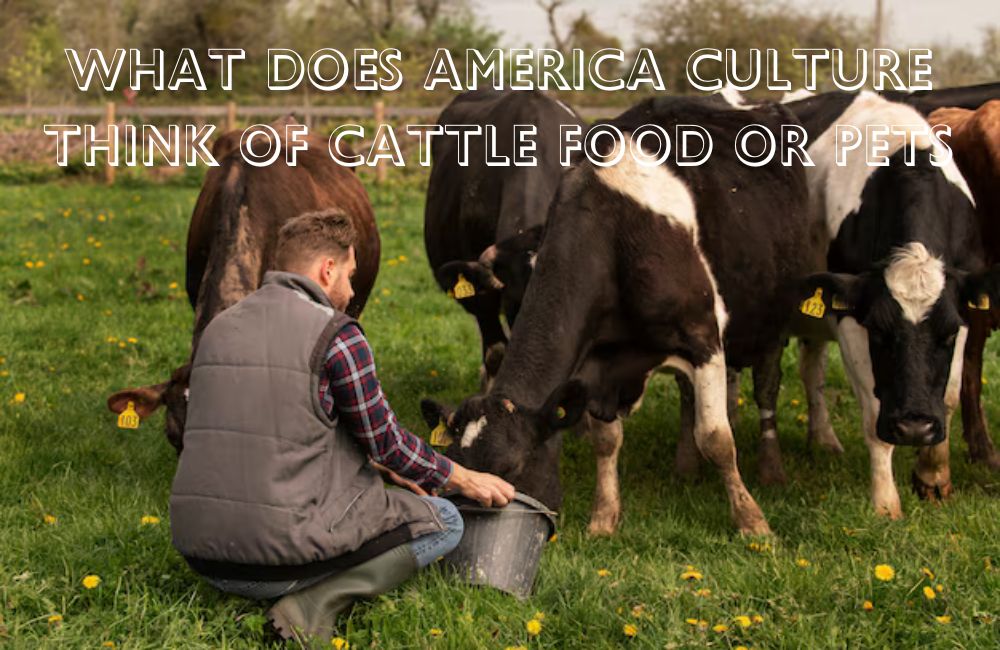
Have you ever wondered why Americans see cattle as food but treat pets like family? This difference comes from deep-rooted traditions and emotional bonds. Cattle farming plays a significant role in the economy, while pets bring joy and companionship to daily life.
American culture reflects these values in how animals are treated. It’s fascinating to think about what does america culture think of cattle food or Pets and how these views shape society.
What Does America Culture Think of Cattle Food or Pets

See Also: Do Guinea Pigs Need Air Conditioning?
America’s culture has diverse views on cattle, food, and pets. These perspectives vary widely. In the American cultural landscape, cattle hold significant roles. On one hand, they are a primary food source, providing beef and dairy products.
On the other hand, they are sometimes seen as pets or part of the family, especially in rural areas. This dual view reflects America’s unique blend of agricultural traditions and evolving attitudes toward animals.
Cattle In American Culture
America’s culture is deeply intertwined with cattle, whether for food or as pets. Cattle are unique in American history, economy, and daily life. Their cultural significance can help us appreciate their role in shaping the nation.
Historical Significance
Cattle have played a crucial role in American history. From the early days of colonization to modern times, cattle symbolize wealth and prosperity.
In the 1600s, European settlers brought cattle to America. These animals were essential for farming and transportation. Cattle provided milk, meat, and labor, making them invaluable to early settlers. Over time, the cattle industry grew, becoming a cornerstone of the American economy.
During the 1800s, the cattle drive era began. Cowboys herded cattle across vast distances to railheads. This period was romanticized in American culture, with cowboys becoming iconic figures. The cattle drives helped shape the West and contributed to the expansion of the United States.
Important points:
- 1600s: European settlers introduced cattle to America.
- 1800s: The cattle drive era began, shaping the American West.
- Modern times: Cattle remain a significant part of American agriculture.
Economic Impact
Cattle have a substantial economic impact in America. The cattle industry supports millions of jobs and contributes billions to the economy.
The beef industry is a major contributor. Beef production involves ranching, processing, and retail. According to the USDA, the beef industry is worth over $67 billion. This includes everything from breeding to selling beef products. The demand for beef continues to grow, driving economic growth.
Dairy cattle also play a significant role. The dairy industry produces milk, cheese, butter, and other products. The dairy sector is worth over $40 billion. It supports farmers, processors, and retailers. Dairy products are a staple in American households, boosting the economy.
Important points:
- Beef industry: Worth over $67 billion, involves ranching and retail.
- Dairy industry: Worth over $40 billion, produces essential products.
- Job creation: Millions of jobs are supported by the cattle industry.
Pets In American Society
In America, pets hold a special place in people’s hearts. They are often seen as family members rather than just animals. This bond between humans and their pets reflects a significant aspect of American culture. Pets provide companionship, emotional support, and joy, making them an integral part of many households.
Role Of Pets
Pets play a crucial role in American society. They offer numerous benefits and are valued for various reasons:
- Emotional Support: Pets provide comfort and reduce stress. They are known to improve mental health.
- Companionship: Pets, especially dogs and cats, offer loyal companionship. They help combat loneliness.
- Physical Health: Owning a pet encourages physical activity. Walking dogs, for example, promotes exercise.
- Social Interaction: Pets can help build social connections. Dog parks and pet events bring people together.
In many American homes, pets are treated like family members. They have their own spaces, receive gifts, and even participate in family activities. This deep bond is reflected in how people celebrate their pets’ birthdays and include them in holiday festivities.
Moreover, pets are often seen as a source of unconditional love. They do not judge and are always there for their owners, creating a strong emotional connection and making pets indispensable in many households.
Pet Industry Growth
The pet industry in America has seen significant growth over the years. This growth is driven by the increasing number of pet owners and their willingness to spend on their pets. Key factors contributing to this growth include:
- Pet Food and Treats: The demand for high-quality pet food and treats has surged. Owners seek nutritious and premium options.
- Healthcare: Veterinary services and pet insurance are on the rise. People invest in their pets’ health and well-being.
- Pet Accessories: The pet accessories market is booming, From toys to clothing. Owners enjoy spoiling their pets with the latest trends.
- Grooming and Boarding: Professional grooming and boarding services have become popular. Pet owners want the best care for their furry friends.
Cattle Vs. Pets

Introduction paragraph about What Does America Culture Think of Cattle Food Or Pets and Cattle vs. Pets…
Cultural Perceptions
In American culture, the distinction between cattle and pets is significant. Cattle are seen as livestock, crucial for food production. Pets, on the other hand, are viewed as companions. This cultural perception is deeply rooted in history and tradition.
Cattle are often associated with rural life and farming. They are essential for producing meat and dairy products. In many American households, beef and milk are dietary staples. The agricultural industry relies heavily on cattle for economic reasons.
Pets, such as dogs and cats, are considered family members. They provide emotional support and companionship. Many Americans spend a lot on pet care, including food, grooming, and veterinary services.
Let’s look at some key differences:
| Aspect | Cattle | Pets |
| Role | Livestock | Companion |
| Economic Importance | High | Moderate |
| Emotional Attachment | Low | High |
Emotional Connections
Emotional connections between humans and animals vary. Cattle relationships are practical, while pets form deep emotional bonds with their owners. Pets provide companionship, emotional support, and health benefits, making them a cherished part of many families. This strong bond leads to significant spending on pet care, reflecting their importance in American culture.
Food Choices And Ethics
America’s culture has diverse views on food choices and ethics, especially regarding cattle. Some see cattle as a source of meat, while others view them as pets. This balance between food choices and ethical considerations shapes much of the discourse surrounding cattle in the U.S.
Meat Consumption
In America, meat consumption is a significant part of daily diets. Beef, in particular, is a staple in many households. Americans enjoy various beef dishes such as steaks, burgers, and roasts. This preference impacts the cattle industry heavily.
Many factors influence meat consumption:
- Economic Affordability: Beef is relatively affordable, making it accessible to a large population.
- Cultural Traditions: Many American traditions and holidays feature beef dishes, reinforcing its importance.
- Nutritional Value: Beef is high in protein, iron, and other essential nutrients.
Animal Welfare
Animal welfare is an essential ethical consideration in America. Many people are concerned about how cattle are treated on farms. They advocate for humane treatment and better living conditions for the animals.
Key concerns include:
- Living Conditions: Ensuring cattle have enough space and a clean environment.
- Health Care: Providing proper medical care and nutrition.
- Slaughter Practices: Using humane methods to minimize pain and stress.
Organizations and movements are working to improve standards in the cattle industry. For example, the Humane Society and other groups campaign for better regulations and practices. These efforts aim to ensure cattle are treated with respect throughout their lives.
Regional Variations
American culture is diverse and dynamic. Regional differences in opinions on cattle as food or pets result from urban and rural perspectives and local traditions. Significant these differences provide a deeper insight into how Americans view cattle daily.
Urban Vs. Rural Perspectives
In urban areas, cattle are primarily seen as a source of food. This perception is shaped by the availability of beef in supermarkets and restaurants. Most urban residents have little direct interaction with cattle. Their knowledge often comes from media or education rather than personal experience.
- Beef consumption: Urbanites rely heavily on beef in their diets. Steaks, burgers, and roasts are ordinary.
- Limited interaction: City dwellers rarely see live cattle, leading to a disconnect between the animal and the food product.
In contrast, rural communities often have a more nuanced view of cattle. Many rural residents raise cattle themselves or live near farms. This direct interaction fosters a different perspective.
- Source of livelihood: For many rural families, cattle farming is a primary income source. They see cattle as valuable assets.
- Personal connection: Rural residents might have a personal connection to their cattle, sometimes even treating them as pets.
Local Traditions
Local traditions also play a significant role in how Americans view cattle. In the Midwest, cattle ranching is a longstanding tradition. Families have passed down cattle farming practices through generations.
- Cultural events: Events like rodeos and state fairs showcase cattle, celebrating their role in local heritage.
- Community involvement: Many communities hold cattle auctions and 4-H club activities, fostering a community bond over cattle.
In the South, cattle might be part of a more diverse agricultural practice. Farmers may raise cattle alongside other livestock or crops.
- Mixed farming: Southern farmers often practice farming, integrating cattle with other agricultural activities.
- Family traditions: Families often involve children in farm work, teaching them the value of cattle from a young age.
On the West Coast, cattle are sometimes seen through a different lens. While there is still farming, there is also a growing trend of seeing cattle as part of sustainable living practices.
- Sustainable practices: West Coast farmers focus on sustainable, grass-fed beef, aligning with environmental values.
- Pet perspective: Some see cattle as part of a holistic approach to farming, treating them more like companions.
Media Representation
In America, the media shapes how people see cattle and pets. Films and advertisements play a significant role. They show cattle and pets differently, influencing our thoughts and feelings.
Cattle In Films
Films often show cattle as part of the American landscape. Western movies, in particular, feature cattle drives and cowboys. These scenes depict the hard work and rugged life of cattle ranchers. The cattle symbolize the open plains and freedom.
In animated films, cattle are sometimes characters with personalities. For example, in “Home on the Range,” the cows have adventures and show bravery, which makes them seem friendly and important.
Here are some common themes in films about cattle:
- Ranch life: Hard work and family bonds
- Adventure: Cattle drives and exploring the wild
- Friendship: Bonds between humans and cattle
Films also show the challenges of cattle farming. They highlight issues like bad weather, predators, and economic struggles. These stories give viewers a deeper understanding of the cattle industry.
Overall, films portray cattle as vital to American history and culture. They show the hard work, adventure, and challenges of ranch life, which influences how people see cattle and their importance.
Pets In Advertising
Pets are everywhere in ads. They sell products from food to insurance. Cute dogs and cats grab attention. They make people feel happy and connected. This emotional pull makes ads more effective.
Here are some ways pets are used in advertising:
- Food and treats: Ads show pets enjoying tasty meals
- Healthcare: Vets and medicine ads feature healthy, happy pets
- Products: Toys, beds, and grooming tools are promoted with playful pets
Pets in ads often have human-like traits. They may talk, show emotions, or solve problems. This makes them relatable and memorable. Ads with pets usually use humor. A funny dog or cat can make the product stand out. This approach works well for brands wanting to be seen as friendly and fun.
Another trend is using rescue pets. Ads feature animals from shelters to promote adoption. This tugs at viewers’ hearts and supports a good cause. It also builds a positive image for the brand.
Legislation And Policy
America’s view of cattle, whether as food or pets, is deeply rooted in its culture. Legislation and policy play a significant role in shaping these perspectives. These laws and regulations ensure the welfare of animals and maintain food safety standards, reflecting societal values and ethical considerations.
Animal Rights Laws
Animal rights laws in the United States are designed to protect the welfare of animals. These laws cover various aspects, from living conditions to how animals are treated. Several key points include:
- Humane Treatment: Laws require animals, including cattle, to receive humane treatment. This includes adequate food, water, shelter, and veterinary care.
- Anti-Cruelty Laws: These laws prohibit animal cruelty, abuse, and neglect. Violations can result in fines or imprisonment.
- Transport Regulations: Laws govern the transportation of animals to ensure they are not subjected to undue stress or harm during transit.
One major piece of legislation is the Animal Welfare Act (AWA). It sets standards for the treatment of animals in research, exhibition, transport, and by dealers. The AWA enforces regulations through inspections and penalties for non-compliance. This act highlights the nation’s commitment to the ethical treatment of animals.
Agricultural Regulations
Agricultural regulations govern how cattle are raised for food in the United States. These regulations ensure food safety, animal welfare, and environmental protection. Key areas include:
- Food Safety: The USDA oversees food safety standards to prevent contamination and ensure meat is safe to consume.
- Animal Welfare Standards: Regulations require humane treatment of livestock, including proper housing, feeding, and medical care.
- Environmental Impact: Laws regulate waste management and other environmental aspects to minimize pollution from farming activities.
The Federal Meat Inspection Act (FMIA) is crucial for food safety. It mandates the inspection of meat products to ensure they are free from diseases and contaminants, helping maintain high standards of food quality and safety.
Furthermore, the Environmental Protection Agency (EPA) plays a role in regulating farming practices. It enforces regulations on waste management and pesticide use to protect the environment. These regulations ensure that agricultural practices do not harm the ecosystem.
Future Trends
As American culture evolves, so do its views on cattle food and pets. A growing awareness of environmental issues, animal welfare, and health concerns influences the future trends in this area. These trends shape how people choose animal products and what practices they support.
Sustainable Practices
Consumers are increasingly aware of the impact their choices have on the environment. This awareness drives a shift towards sustainable practices in cattle food and pet care. People are looking for products that are environmentally friendly and ethically produced.
Several sustainable practices are gaining popularity:
- Organic Feed: More farmers and pet owners opt for organic feed, free from pesticides and synthetic fertilizers.
- Locally Sourced Ingredients: Using locally sourced ingredients reduces the carbon footprint associated with transportation.
- Reduced Waste Packaging: Companies are developing biodegradable or recyclable packaging to minimize waste.
Changing Attitudes
Attitudes toward cattle food and pets are shifting, with a growing focus on health and well-being. Pet owners prefer natural, additive-free food and products that support animal welfare. There’s also an increasing emphasis on holistic care, including pets’ mental and emotional health.
Frequently Asked Questions(FAQs)
What Do Americans Think Of Cattle?
Americans generally view cattle as essential livestock for food production. They appreciate the economic and nutritional value cattle provide through beef and dairy products.
Are Pets Popular In American Culture?
Yes, pets are extremely popular in American culture. Many households consider pets family members and provide them with great care and affection.
How Is Cattle Food Perceived In The Usa?
Cattle food, such as beef and dairy products, is highly valued in the USA. It plays a significant role in American diets and cuisine.
Do Americans Prefer Pets Over Cattle?
Americans tend to have different relationships with pets and cattle. While pets are considered companions, cattle are valued primarily for economic and nutritional benefits.
Conclusion
Cattle and pets are held in different places in American culture. Pets are often seen as family. They receive love, care, and attention. Cattle, on the other hand, are primarily valued for food.
This reflects broader cultural values. It shows how Americans relate differently to animals. So, cattle and pets both play essential roles. Each in their unique way. This mix shapes American life and traditions.