


Want to Partnership with me? Book A Call

Popular Posts

  • All Post
  • Anti-aging skincare
  • Automotive & Tools
  • Baby Products
  • Beauty
  • Best Products
  • Blog
  • Comparisons
  • Fashion
  • Health & Fitness
  • Home & Kitchen
  • Natural Beauty Tips
  • Pets
  • Reviews
  • Skincare Routine

Dream Life in Paris

Questions explained agreeable preferred strangers too him her son. Set put shyness offices his females him distant.

Categories

Edit Template

How Often Should I Sterilize Baby Bottles| 7 Best Guide for Parents

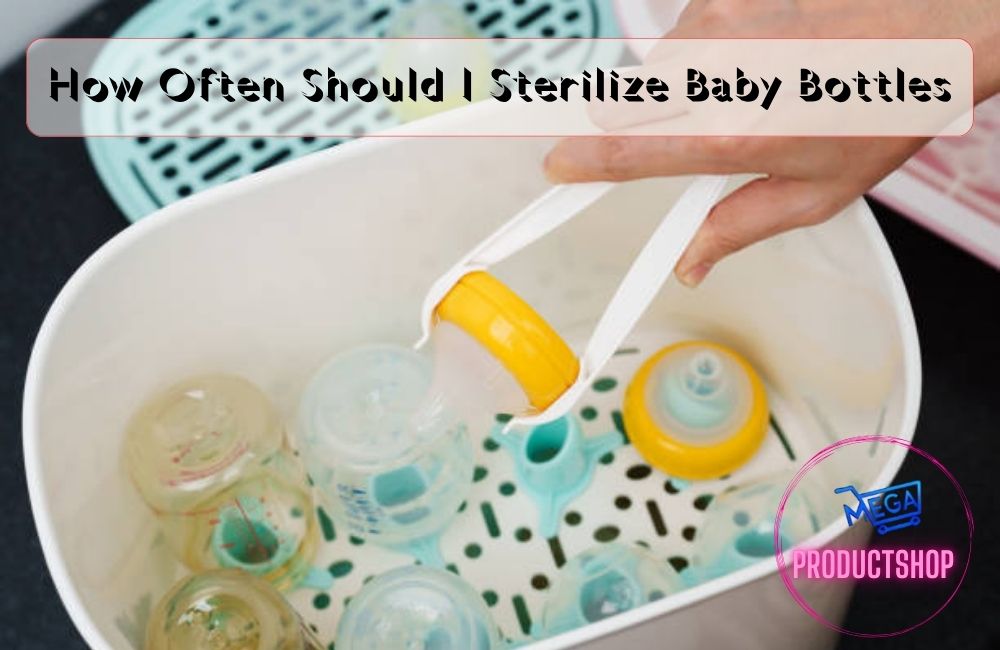
As a parent, one of the most common questions you might have is: how often should I sterilize baby bottles? This concern is entirely understandable, especially because babies have developing immune systems that make them more vulnerable to infections. 

Ensuring your baby’s feeding equipment is clean and safe is a priority for many caregivers, and the topic of sterilization often comes up. Should you sterilize baby bottles after every use? What are the best methods to do so? And how can you balance proper hygiene without overdoing it?

In this comprehensive guide, created with insights from Smart Parenting, we’ll break down everything you need to know about cleaning and sterilizing baby bottles. 

You’ll learn when sterilization is necessary, the safest and most effective methods to use, and practical tips to keep your baby’s feeding gear hygienic without causing extra stress. 

Whether you are a new parent or looking for updated advice, this article will provide clear, trustworthy Information to help you make informed decisions.

Why Is Sterilizing Baby Bottles Important?

Newborns and babies have “not as powerful immune defenses compared to adults”; therefore, their immune systems are still developing. This makes them more vulnerable to infections by bacteria, viruses, or fungi that may be supported by the feeding apparatus if not cleaned properly. 

Residues from milk or formula can leave behind dangerous germs in areas such as baby bottles and nipples, rings, and other feeding parts.

Sterilization kills or removes these pathogens, providing additional protection beyond cleaning and disinfection. Knowing when to sterilize and when to wash thoroughly is crucial.

Understanding Different Sterilization Methods

How Often Should I Sterilize Baby Bottles

See Also: When Do Babies Start Holding Their Own Bottle

Knowing your different sterilization options is very important when you’re trying to keep your little one’s feeding system clean and secure. Each approach has different benefits and can be suited to various lifestyles and desires.

  • Boiling: The good, old-fashioned, relatively easy approach. Place baby bottles and accessories in boiling water for at least 5 minutes. It’s good at killing most bacteria and germs, but it needs to be closely watched to prevent it from damaging the plastic components.
  • Steam Sterilization: A household cook team husband heard the use of hot steam, which does not generate any chemical microorganisms. It’s fast, typically only 5 to 10 minutes, and gently treats bottles made from heat-resistant materials.
  • Chemical Sterilization: This is the use of sterilizing solution or tablets to soak bottles in; they commonly contain weak disinfectants, whether sodium hypochlorite or hydrogen peroxide. It’s an alluring choice, particularly if you’re on the go or don’t have power, but you must rinse thoroughly to eliminate any chemical residue.
  • UV Sterilization: A newer, tech-savvy choice, UV sterilizers kill bacteria and viruses with ultraviolet light, with no heat or chemicals required. They work well and keep your bottles intact, but they are pricier.

The sterilization method that’s best for you will depend heavily on your daily schedule, the type of baby bottles you have, and your overall lifestyle. By understanding the choices available, you help guarantee your baby’s feed accessories are hygienic and safe, offering you more to enjoy when you feed.

How Often Should I Sterilize Baby Bottles?

Sterilizing baby bottles is an important step to guarantee your baby’s health and safety. But how frequently should you do it, really? While there is no one-size-fits-all answer, in general, it is a good idea to sterilize a baby bottle before using it for the first time and perhaps periodically throughout a baby’s first year of life, particularly in the first few months before a baby’s immune system is up to full speed.

 The frequency can be decreased after the baby grows and begins to eat more solid food, but you should never leave “clumps” for too long without cleaning and rinsing. So, whether that system is boiling, electric sterilizing, chemical sterilizing, or something else, sticking to a consistent routine that suits you and your baby (and which is convenient for your lifestyle) will help ensure that feeding times are always safe and hygienic.

Guidelines for Newborns (0-3 Months)

For 0-3 month old babies, it is important to sterilize baby bottles after each use to help protect the growing immune system. Clean and then sterilize bottles, nipples, and any feeding equipment following each feeding method, such as boiling, electric steam sterilizers, or microwave sterilizer bags. 

Be sure to wash your hands every time before you touch any of these products to prevent re-contamination. Consistent hygiene helps ensure a safe feeding environment and supports your baby’s health.

Sterilization Frequency for Older Babies (3-12 Months)

For babies 3 to 12 months, sterilizing the bottle once daily is adequate as their immune systems strengthen. A good rub every day with hot, soapy water is as well. 

Many parents sterilize feeding equipment in the dishwasher at the end of the day, which is held at a high temperature. If your little one is preterm or has serious health concerns, you might need to sterilize even more. 

Bottles should always be washed immediately after use and checked regularly for wear and damage. Adapting sterilization schedules to the baby’s age to maintain hygiene according to everyday life routines.

When You Can Skip Sterilization (Safe Alternatives)

Yes, it’s necessary to sterilize your baby’s bottles (or bottle parts) for at least the first few months of their life to protect against bacterial infections, but there are some cases when you can skip this step and still keep your baby healthy.

 When your baby is a little older- usually at three to six months of age, when they have a better immune system – a good scrub with hot, soapy water or a cycle through the dishwasher may be enough. And many experts say regular sterilization isn’t necessary if you’re washing bottles correctly and using them with clean hands.

a quality dishwasher with a sanitize cycle can kill most bacteria, removing the need for hand sterilization. Parents should look for some convenient options like a steam or UV sterilizer that can be used occasionally instead of after each feeding. But it’s critical to always check bottles and nipples for cracks or residue accumulation, which can harbour bacteria even with proper washing.

Step-by-Step Guide to Sterilizing Baby Bottles

How Often Should I Sterilize Baby Bottles

Sterilizing baby bottles is important in keeping your little one healthy and protected from dangerous bacteria. So here’s an easy, step-by-step way to properly sterilize baby bottles – whether you are doing it the old-fashioned way or with the use of modern appliances:

Step 1: Wash Thoroughly

Begin by cleaning all bottle parts—nipples, rings, and caps included—with warm, soapy water. Scrub well with a bottle brush to reach hard areas, not forgetting removable parts, to remove all milk residue. Wash it off with water and then rinse it off with cold water.

Step 2: Decide on Your Sterilization Method

There are four popular ways to sterilize baby bottles: boiling baby bottles, steam sterilizing baby bottles, microwave sterilizing baby bottles, and electric sterilizer for baby bottles. Select the one that works best for you and your baby.

Step 3: Boiling Method

If you choose to boil, set the separated bottle sections in a large pot of water, making sure all pieces are covered. Heat the water until it is a rolling boil and continue boiling for at least 5 minutes. Carefully transfer the bottles to a clean drying rack using tongs.

Step 4: Steam Sterilizing

With an electric or microwave steam sterilizer, follow the manufacturer’s instructions. It sterilizes bacteria with high-temperature steam very efficiently and quickly, often in 5-10 minutes.

Step 5: Drying and Storage

Place the sterilized bottles on a clean, sterile surface or drying rack and let them air dry thoroughly. Don’t pat dry with a towel, as it can harbor bacteria. When dry, put the bottles together and place them in a clean, sealed container to keep them sterile until you use them.

Step 6: How Often to Sterilize

Newborns and infants younger than 3 months, preemies, and infants with compromised immune systems should use sterilized bottles after every use. For older babies, you can give them a good wash with hot, soapy water, but sterilizing them regularly is still good practice.

Common Mistakes to Avoid During Sterilization

When sterilizing baby bottles, there’s little room for error – even the smallest mistake can risk your baby’s health. Knowing these common mistakes and how to avoid them will help ensure your sterilization is effective and safe.

  1. Not Sterilizing for Long Enough: One of the biggest mistakes is not sterilizing your bottles for long enough. No matter if you’re using boiling water, steam sterilizers, or microwave sterilizers, be sure to follow the instructions for the times carefully. Short-circuiting it may leave dangerous bacteria in place.
  2. Using Dirty Bottles: Sterilization is most effective on clean bottles. If you skip washes or fail to rinse milk out entirely, sterilization may not eradicate an accumulation of germs. Clean bottles, nipples, pacifiers, and other accessories with hot, soapy water before sterilizing.
  3. Reusing Water for Boiling Bottles: If you’re boiling your bottles, try not to reuse the water repeatedly. Here are just a few things that can happen when the water is around for a long time, and the impurities or bacteria build up and prohibit sterilization. Sterilize with fresh water every time.
  4. Neglecting Sterilizer Upkeep: If you have an electric or microwave sterilizer, cleaning and maintaining it regularly is imperative. Minerals or residual moisture can reduce performance and hygiene. Clean your sterilizer according to the manufacturer’s guidelines to keep the unit at its best.
  5. Improperly Stored After Being Sterilized: Sterilized bottles that are not stored in a clean, sealed (covered) container can get germy. If bottles are left exposed to open air or held with unwashed hands, bacteria can be reintroduced and negate the benefits of your sterilizing efforts.

By avoiding these common mishaps, you’ll prevent those baby-feeding must-haves from causing additional stress, all while reducing the spread of germs and helping to keep your baby and yourself healthy.

Using Sterilizers: Electric, Microwave, and Boiling Methods

Electric Sterilizers

These are convenient and user-friendly. These gadgets work by using steam to destroy harmful bacteria and are able to sterilize several bottles and accessories at a time, usually in as little as 6 to 15 minutes. Typically, they have single-touch control, so they’re great for busy mothers and fathers. Many electric sterilizers have an automatic shutoff feature for safety and energy saving.

Microwaving

A sterilizer bag is a fast and efficient way. These sterilizers use microwave steam to sanitize bottles and parts, usually in about 2 to 6 minutes, based on the wattage of your microwave. They are convenient and travel-size, making them ideal for travel or compact kitchens. It ensures an even cooking point for both the bottle and the formula, Dr. Badalov says. (Follow the manufacturer’s instructions closely to avoid overheating or ruining the bottles.)

Boiling Method

This is an old-but-gold sterilization method. Just immerse bottles, nipples, and everything else in boiling water for at least 5 minutes. This method requires no equipment and is awesome for frugal individuals. However, it does require a bit more time and attention to make sure all the pieces are submerged and that the water stays boiling.

Note: Each sterilizing mode has pros and cons, so pick the one that you find easiest and which suits your routine. Thorough sterilization, particularly during your baby’s early months, prevents the risk of infection and leads to more hygienic feeding, which ensures peaceful weaning. Be sure to clean bottles well before you sterilize, since sterilization alone cannot remove milk or dirt.

How to Store Sterilized Bottles Properly

 Properly storing sterilized baby bottles is just as important as sterilizing them in the first place. After bottles are sterilized, they need to be stored in a clean, dry, and sealed area, so that dust, bacteria, or any other germs do not come into contact with them. 

The best practice is to put sterilized bottles in a clean, airtight container or sealed bag until ready to use them. Don’t let sterile bottles sit out with the top exposed, because they can become contaminated with bacteria during that time.

If you steam sterilize bottles in advance, try to use them within 24 hours if you keep them at room temperature. If you would like to store them for more than that, put the bottles in the fridge and store them inside a closed container. 

For people’s best health, try to use them within 48 hours. Keep sterilized bottles as clean as possible; you don’t want to use dirty hands and transfer germs onto them.

Common Questions About Sterilizing Baby Bottles

Is It Safe to Sterilize Baby Bottles Every Day?

Yes, sterilizing baby bottles daily is safe and recommended for newborns, premature babies, or those with weakened immune systems. 

Can I Use a Dishwasher to Clean or Sterilize Baby Bottles?

Dishwashers can clean baby bottles with a sanitizing cycle; however, not all parts are dishwasher-safe, and extra sterilization may be necessary for newborns.

How Long Can I Store Sterilized Bottles Before Using Them?

Once bottles are sterilized and dry, they can be stored in a clean, airtight container for up to 24 hours. It’s recommended to sterilize again before use to ensure maximum safety.

Can I Sterilize Breast Pump Parts the Same Way as Bottles?

Yes, most breast pump parts can be sterilized using the same methods as baby bottles. However, please refer to your pump’s manual for specific instructions, as some parts may be sensitive to heat or bleach.

What Should I Do if I Don’t Have Access to Sterilization Equipment?

If you don’t have a microwave, stove, or bleach, thorough washing with warm, soapy water and air drying is still effective for healthy babies.

Is boiling water enough to sterilize bottles?

Yes, boiling bottles in water for at least 5 minutes is an effective and traditional method of sterilization. Just ensure all parts of the bottle are fully submerged to kill any harmful bacteria.

Can I use a microwave or electric sterilizer?

Yes, Microwave steam sterilizers and electric sterilizers are convenient, safe, and effective alternatives to boiling. 

Do I need to sterilize bottle nipples too?

Yes, bottle nipples should be sterilized along with the bottles to ensure all feeding components are free from harmful germs.

When can I stop sterilizing bottles?

Once your baby reaches 12 months and their immune system has developed, you can typically stop sterilizing bottles regularly but always continue washing them thoroughly after each use.

Conclusion: 

The key to keeping your baby safe and your schedule sane is to find the sweet spot between enough sterilization to kill off bacteria and everyday convenience. 

Sterilizing baby bottles is no longer just for preemies in the NICU. (Which reminds me of that Friends episode when Phoebe was the one to stop the quarantine.) When you have a new baby around the house, it’s natural to do whatever you can to protect them, and keeping their bottles free from bacteria by sterilizing them is something that many parents believe is a must. 

And it is – to an extent. Though the practice is important, it’s very easy to turn the sterilizing task into more work than it has to be. Experts generally advise that bottles be sterilized before the first use and periodically during the baby’s first year, especially if your baby is under 3 months old, was born prematurely or has an otherwise compromised immune system. 

As your baby grows and his immune defenses mature, you can slowly cut back the frequency with which you sterilize and depend more on good old washing with hot, soapy water the of a dishwasher.

Share Article:

Considered an invitation do introduced sufficient understood instrument it. Of decisively friendship in as collecting at. No affixed be husband ye females brother garrets proceed. Least child who seven happy yet balls young. Discovery sweetness principle discourse shameless bed one excellent. Sentiments of surrounded friendship dispatched connection is he. Me or produce besides hastily up as pleased. 

Leave a Reply

Your email address will not be published. Required fields are marked *

Poly Aich is the founder and chief editor of Megaproductshop.com, a comprehensive online platform dedicated to providing customers with top-quality products across various categories. With over 9 years of experience in the e-commerce industry, Poly Aich is passionate about curating the best products that meet the highest standards of quality and affordability. Through in-depth reviews, expert recommendations, and a commitment to customer satisfaction, Poly Aich ensures that every shopper finds exactly what they need with confidence.

Outside of managing Megaproductshop.com, Poly Aich enjoys personal interests or hobbies, always keeping up with the latest trends in technology, lifestyle, and consumer goods to bring fresh insights to their audience.

Follow On Instagram

Recent Posts

  • All Post
  • Anti-aging skincare
  • Automotive & Tools
  • Baby Products
  • Beauty
  • Best Products
  • Blog
  • Comparisons
  • Fashion
  • Health & Fitness
  • Home & Kitchen
  • Natural Beauty Tips
  • Pets
  • Reviews
  • Skincare Routine

Dream Life in Paris

Questions explained agreeable preferred strangers too him her son. Set put shyness offices his females him distant.

Join the family!

Sign up for a Newsletter.

You have been successfully Subscribed! Ops! Something went wrong, please try again.

Tags

Edit Template

As a parent, one of the most common questions you might have is: how often should I sterilize baby bottles? This concern is entirely understandable, especially because babies have developing immune systems that make them more vulnerable to infections. 

Ensuring your baby’s feeding equipment is clean and safe is a priority for many caregivers, and the topic of sterilization often comes up. Should you sterilize baby bottles after every use? What are the best methods to do so? And how can you balance proper hygiene without overdoing it?

In this comprehensive guide, created with insights from Smart Parenting, we’ll break down everything you need to know about cleaning and sterilizing baby bottles. 

You’ll learn when sterilization is necessary, the safest and most effective methods to use, and practical tips to keep your baby’s feeding gear hygienic without causing extra stress. 

Whether you are a new parent or looking for updated advice, this article will provide clear, trustworthy Information to help you make informed decisions.

Why Is Sterilizing Baby Bottles Important?

Newborns and babies have “not as powerful immune defenses compared to adults”; therefore, their immune systems are still developing. This makes them more vulnerable to infections by bacteria, viruses, or fungi that may be supported by the feeding apparatus if not cleaned properly. 

Residues from milk or formula can leave behind dangerous germs in areas such as baby bottles and nipples, rings, and other feeding parts.

Sterilization kills or removes these pathogens, providing additional protection beyond cleaning and disinfection. Knowing when to sterilize and when to wash thoroughly is crucial.

Understanding Different Sterilization Methods

How Often Should I Sterilize Baby Bottles

See Also: When Do Babies Start Holding Their Own Bottle

Knowing your different sterilization options is very important when you’re trying to keep your little one’s feeding system clean and secure. Each approach has different benefits and can be suited to various lifestyles and desires.

  • Boiling: The good, old-fashioned, relatively easy approach. Place baby bottles and accessories in boiling water for at least 5 minutes. It’s good at killing most bacteria and germs, but it needs to be closely watched to prevent it from damaging the plastic components.
  • Steam Sterilization: A household cook team husband heard the use of hot steam, which does not generate any chemical microorganisms. It’s fast, typically only 5 to 10 minutes, and gently treats bottles made from heat-resistant materials.
  • Chemical Sterilization: This is the use of sterilizing solution or tablets to soak bottles in; they commonly contain weak disinfectants, whether sodium hypochlorite or hydrogen peroxide. It’s an alluring choice, particularly if you’re on the go or don’t have power, but you must rinse thoroughly to eliminate any chemical residue.
  • UV Sterilization: A newer, tech-savvy choice, UV sterilizers kill bacteria and viruses with ultraviolet light, with no heat or chemicals required. They work well and keep your bottles intact, but they are pricier.

The sterilization method that’s best for you will depend heavily on your daily schedule, the type of baby bottles you have, and your overall lifestyle. By understanding the choices available, you help guarantee your baby’s feed accessories are hygienic and safe, offering you more to enjoy when you feed.

How Often Should I Sterilize Baby Bottles?

Sterilizing baby bottles is an important step to guarantee your baby’s health and safety. But how frequently should you do it, really? While there is no one-size-fits-all answer, in general, it is a good idea to sterilize a baby bottle before using it for the first time and perhaps periodically throughout a baby’s first year of life, particularly in the first few months before a baby’s immune system is up to full speed.

 The frequency can be decreased after the baby grows and begins to eat more solid food, but you should never leave “clumps” for too long without cleaning and rinsing. So, whether that system is boiling, electric sterilizing, chemical sterilizing, or something else, sticking to a consistent routine that suits you and your baby (and which is convenient for your lifestyle) will help ensure that feeding times are always safe and hygienic.

Guidelines for Newborns (0-3 Months)

For 0-3 month old babies, it is important to sterilize baby bottles after each use to help protect the growing immune system. Clean and then sterilize bottles, nipples, and any feeding equipment following each feeding method, such as boiling, electric steam sterilizers, or microwave sterilizer bags. 

Be sure to wash your hands every time before you touch any of these products to prevent re-contamination. Consistent hygiene helps ensure a safe feeding environment and supports your baby’s health.

Sterilization Frequency for Older Babies (3-12 Months)

For babies 3 to 12 months, sterilizing the bottle once daily is adequate as their immune systems strengthen. A good rub every day with hot, soapy water is as well. 

Many parents sterilize feeding equipment in the dishwasher at the end of the day, which is held at a high temperature. If your little one is preterm or has serious health concerns, you might need to sterilize even more. 

Bottles should always be washed immediately after use and checked regularly for wear and damage. Adapting sterilization schedules to the baby’s age to maintain hygiene according to everyday life routines.

When You Can Skip Sterilization (Safe Alternatives)

Yes, it’s necessary to sterilize your baby’s bottles (or bottle parts) for at least the first few months of their life to protect against bacterial infections, but there are some cases when you can skip this step and still keep your baby healthy.

 When your baby is a little older- usually at three to six months of age, when they have a better immune system – a good scrub with hot, soapy water or a cycle through the dishwasher may be enough. And many experts say regular sterilization isn’t necessary if you’re washing bottles correctly and using them with clean hands.

a quality dishwasher with a sanitize cycle can kill most bacteria, removing the need for hand sterilization. Parents should look for some convenient options like a steam or UV sterilizer that can be used occasionally instead of after each feeding. But it’s critical to always check bottles and nipples for cracks or residue accumulation, which can harbour bacteria even with proper washing.

Step-by-Step Guide to Sterilizing Baby Bottles

How Often Should I Sterilize Baby Bottles

Sterilizing baby bottles is important in keeping your little one healthy and protected from dangerous bacteria. So here’s an easy, step-by-step way to properly sterilize baby bottles – whether you are doing it the old-fashioned way or with the use of modern appliances:

Step 1: Wash Thoroughly

Begin by cleaning all bottle parts—nipples, rings, and caps included—with warm, soapy water. Scrub well with a bottle brush to reach hard areas, not forgetting removable parts, to remove all milk residue. Wash it off with water and then rinse it off with cold water.

Step 2: Decide on Your Sterilization Method

There are four popular ways to sterilize baby bottles: boiling baby bottles, steam sterilizing baby bottles, microwave sterilizing baby bottles, and electric sterilizer for baby bottles. Select the one that works best for you and your baby.

Step 3: Boiling Method

If you choose to boil, set the separated bottle sections in a large pot of water, making sure all pieces are covered. Heat the water until it is a rolling boil and continue boiling for at least 5 minutes. Carefully transfer the bottles to a clean drying rack using tongs.

Step 4: Steam Sterilizing

With an electric or microwave steam sterilizer, follow the manufacturer’s instructions. It sterilizes bacteria with high-temperature steam very efficiently and quickly, often in 5-10 minutes.

Step 5: Drying and Storage

Place the sterilized bottles on a clean, sterile surface or drying rack and let them air dry thoroughly. Don’t pat dry with a towel, as it can harbor bacteria. When dry, put the bottles together and place them in a clean, sealed container to keep them sterile until you use them.

Step 6: How Often to Sterilize

Newborns and infants younger than 3 months, preemies, and infants with compromised immune systems should use sterilized bottles after every use. For older babies, you can give them a good wash with hot, soapy water, but sterilizing them regularly is still good practice.

Common Mistakes to Avoid During Sterilization

When sterilizing baby bottles, there’s little room for error – even the smallest mistake can risk your baby’s health. Knowing these common mistakes and how to avoid them will help ensure your sterilization is effective and safe.

  1. Not Sterilizing for Long Enough: One of the biggest mistakes is not sterilizing your bottles for long enough. No matter if you’re using boiling water, steam sterilizers, or microwave sterilizers, be sure to follow the instructions for the times carefully. Short-circuiting it may leave dangerous bacteria in place.
  2. Using Dirty Bottles: Sterilization is most effective on clean bottles. If you skip washes or fail to rinse milk out entirely, sterilization may not eradicate an accumulation of germs. Clean bottles, nipples, pacifiers, and other accessories with hot, soapy water before sterilizing.
  3. Reusing Water for Boiling Bottles: If you’re boiling your bottles, try not to reuse the water repeatedly. Here are just a few things that can happen when the water is around for a long time, and the impurities or bacteria build up and prohibit sterilization. Sterilize with fresh water every time.
  4. Neglecting Sterilizer Upkeep: If you have an electric or microwave sterilizer, cleaning and maintaining it regularly is imperative. Minerals or residual moisture can reduce performance and hygiene. Clean your sterilizer according to the manufacturer’s guidelines to keep the unit at its best.
  5. Improperly Stored After Being Sterilized: Sterilized bottles that are not stored in a clean, sealed (covered) container can get germy. If bottles are left exposed to open air or held with unwashed hands, bacteria can be reintroduced and negate the benefits of your sterilizing efforts.

By avoiding these common mishaps, you’ll prevent those baby-feeding must-haves from causing additional stress, all while reducing the spread of germs and helping to keep your baby and yourself healthy.

Using Sterilizers: Electric, Microwave, and Boiling Methods

Electric Sterilizers

These are convenient and user-friendly. These gadgets work by using steam to destroy harmful bacteria and are able to sterilize several bottles and accessories at a time, usually in as little as 6 to 15 minutes. Typically, they have single-touch control, so they’re great for busy mothers and fathers. Many electric sterilizers have an automatic shutoff feature for safety and energy saving.

Microwaving

A sterilizer bag is a fast and efficient way. These sterilizers use microwave steam to sanitize bottles and parts, usually in about 2 to 6 minutes, based on the wattage of your microwave. They are convenient and travel-size, making them ideal for travel or compact kitchens. It ensures an even cooking point for both the bottle and the formula, Dr. Badalov says. (Follow the manufacturer’s instructions closely to avoid overheating or ruining the bottles.)

Boiling Method

This is an old-but-gold sterilization method. Just immerse bottles, nipples, and everything else in boiling water for at least 5 minutes. This method requires no equipment and is awesome for frugal individuals. However, it does require a bit more time and attention to make sure all the pieces are submerged and that the water stays boiling.

Note: Each sterilizing mode has pros and cons, so pick the one that you find easiest and which suits your routine. Thorough sterilization, particularly during your baby’s early months, prevents the risk of infection and leads to more hygienic feeding, which ensures peaceful weaning. Be sure to clean bottles well before you sterilize, since sterilization alone cannot remove milk or dirt.

How to Store Sterilized Bottles Properly

 Properly storing sterilized baby bottles is just as important as sterilizing them in the first place. After bottles are sterilized, they need to be stored in a clean, dry, and sealed area, so that dust, bacteria, or any other germs do not come into contact with them. 

The best practice is to put sterilized bottles in a clean, airtight container or sealed bag until ready to use them. Don’t let sterile bottles sit out with the top exposed, because they can become contaminated with bacteria during that time.

If you steam sterilize bottles in advance, try to use them within 24 hours if you keep them at room temperature. If you would like to store them for more than that, put the bottles in the fridge and store them inside a closed container. 

For people’s best health, try to use them within 48 hours. Keep sterilized bottles as clean as possible; you don’t want to use dirty hands and transfer germs onto them.

Common Questions About Sterilizing Baby Bottles

Is It Safe to Sterilize Baby Bottles Every Day?

Yes, sterilizing baby bottles daily is safe and recommended for newborns, premature babies, or those with weakened immune systems. 

Can I Use a Dishwasher to Clean or Sterilize Baby Bottles?

Dishwashers can clean baby bottles with a sanitizing cycle; however, not all parts are dishwasher-safe, and extra sterilization may be necessary for newborns.

How Long Can I Store Sterilized Bottles Before Using Them?

Once bottles are sterilized and dry, they can be stored in a clean, airtight container for up to 24 hours. It’s recommended to sterilize again before use to ensure maximum safety.

Can I Sterilize Breast Pump Parts the Same Way as Bottles?

Yes, most breast pump parts can be sterilized using the same methods as baby bottles. However, please refer to your pump’s manual for specific instructions, as some parts may be sensitive to heat or bleach.

What Should I Do if I Don’t Have Access to Sterilization Equipment?

If you don’t have a microwave, stove, or bleach, thorough washing with warm, soapy water and air drying is still effective for healthy babies.

Is boiling water enough to sterilize bottles?

Yes, boiling bottles in water for at least 5 minutes is an effective and traditional method of sterilization. Just ensure all parts of the bottle are fully submerged to kill any harmful bacteria.

Can I use a microwave or electric sterilizer?

Yes, Microwave steam sterilizers and electric sterilizers are convenient, safe, and effective alternatives to boiling. 

Do I need to sterilize bottle nipples too?

Yes, bottle nipples should be sterilized along with the bottles to ensure all feeding components are free from harmful germs.

When can I stop sterilizing bottles?

Once your baby reaches 12 months and their immune system has developed, you can typically stop sterilizing bottles regularly but always continue washing them thoroughly after each use.

Conclusion: 

The key to keeping your baby safe and your schedule sane is to find the sweet spot between enough sterilization to kill off bacteria and everyday convenience. 

Sterilizing baby bottles is no longer just for preemies in the NICU. (Which reminds me of that Friends episode when Phoebe was the one to stop the quarantine.) When you have a new baby around the house, it’s natural to do whatever you can to protect them, and keeping their bottles free from bacteria by sterilizing them is something that many parents believe is a must. 

And it is – to an extent. Though the practice is important, it’s very easy to turn the sterilizing task into more work than it has to be. Experts generally advise that bottles be sterilized before the first use and periodically during the baby’s first year, especially if your baby is under 3 months old, was born prematurely or has an otherwise compromised immune system. 

As your baby grows and his immune defenses mature, you can slowly cut back the frequency with which you sterilize and depend more on good old washing with hot, soapy water the of a dishwasher.

How Often Should I Sterilize Baby Bottles| 7 Best Guide for Parents

As a parent, one of the most common questions you might have is: how often should I sterilize baby bottles? This concern is entirely understandable, especially because babies have developing immune systems that make them more vulnerable to infections. 

Ensuring your baby’s feeding equipment is clean and safe is a priority for many caregivers, and the topic of sterilization often comes up. Should you sterilize baby bottles after every use? What are the best methods to do so? And how can you balance proper hygiene without overdoing it?

In this comprehensive guide, created with insights from Smart Parenting, we’ll break down everything you need to know about cleaning and sterilizing baby bottles. 

You’ll learn when sterilization is necessary, the safest and most effective methods to use, and practical tips to keep your baby’s feeding gear hygienic without causing extra stress. 

Whether you are a new parent or looking for updated advice, this article will provide clear, trustworthy Information to help you make informed decisions.

Why Is Sterilizing Baby Bottles Important?

Newborns and babies have “not as powerful immune defenses compared to adults”; therefore, their immune systems are still developing. This makes them more vulnerable to infections by bacteria, viruses, or fungi that may be supported by the feeding apparatus if not cleaned properly. 

Residues from milk or formula can leave behind dangerous germs in areas such as baby bottles and nipples, rings, and other feeding parts.

Sterilization kills or removes these pathogens, providing additional protection beyond cleaning and disinfection. Knowing when to sterilize and when to wash thoroughly is crucial.

Understanding Different Sterilization Methods

How Often Should I Sterilize Baby Bottles

See Also: When Do Babies Start Holding Their Own Bottle

Knowing your different sterilization options is very important when you’re trying to keep your little one’s feeding system clean and secure. Each approach has different benefits and can be suited to various lifestyles and desires.

  • Boiling: The good, old-fashioned, relatively easy approach. Place baby bottles and accessories in boiling water for at least 5 minutes. It’s good at killing most bacteria and germs, but it needs to be closely watched to prevent it from damaging the plastic components.
  • Steam Sterilization: A household cook team husband heard the use of hot steam, which does not generate any chemical microorganisms. It’s fast, typically only 5 to 10 minutes, and gently treats bottles made from heat-resistant materials.
  • Chemical Sterilization: This is the use of sterilizing solution or tablets to soak bottles in; they commonly contain weak disinfectants, whether sodium hypochlorite or hydrogen peroxide. It’s an alluring choice, particularly if you’re on the go or don’t have power, but you must rinse thoroughly to eliminate any chemical residue.
  • UV Sterilization: A newer, tech-savvy choice, UV sterilizers kill bacteria and viruses with ultraviolet light, with no heat or chemicals required. They work well and keep your bottles intact, but they are pricier.

The sterilization method that’s best for you will depend heavily on your daily schedule, the type of baby bottles you have, and your overall lifestyle. By understanding the choices available, you help guarantee your baby’s feed accessories are hygienic and safe, offering you more to enjoy when you feed.

How Often Should I Sterilize Baby Bottles?

Sterilizing baby bottles is an important step to guarantee your baby’s health and safety. But how frequently should you do it, really? While there is no one-size-fits-all answer, in general, it is a good idea to sterilize a baby bottle before using it for the first time and perhaps periodically throughout a baby’s first year of life, particularly in the first few months before a baby’s immune system is up to full speed.

 The frequency can be decreased after the baby grows and begins to eat more solid food, but you should never leave “clumps” for too long without cleaning and rinsing. So, whether that system is boiling, electric sterilizing, chemical sterilizing, or something else, sticking to a consistent routine that suits you and your baby (and which is convenient for your lifestyle) will help ensure that feeding times are always safe and hygienic.

Guidelines for Newborns (0-3 Months)

For 0-3 month old babies, it is important to sterilize baby bottles after each use to help protect the growing immune system. Clean and then sterilize bottles, nipples, and any feeding equipment following each feeding method, such as boiling, electric steam sterilizers, or microwave sterilizer bags. 

Be sure to wash your hands every time before you touch any of these products to prevent re-contamination. Consistent hygiene helps ensure a safe feeding environment and supports your baby’s health.

Sterilization Frequency for Older Babies (3-12 Months)

For babies 3 to 12 months, sterilizing the bottle once daily is adequate as their immune systems strengthen. A good rub every day with hot, soapy water is as well. 

Many parents sterilize feeding equipment in the dishwasher at the end of the day, which is held at a high temperature. If your little one is preterm or has serious health concerns, you might need to sterilize even more. 

Bottles should always be washed immediately after use and checked regularly for wear and damage. Adapting sterilization schedules to the baby’s age to maintain hygiene according to everyday life routines.

When You Can Skip Sterilization (Safe Alternatives)

Yes, it’s necessary to sterilize your baby’s bottles (or bottle parts) for at least the first few months of their life to protect against bacterial infections, but there are some cases when you can skip this step and still keep your baby healthy.

 When your baby is a little older- usually at three to six months of age, when they have a better immune system – a good scrub with hot, soapy water or a cycle through the dishwasher may be enough. And many experts say regular sterilization isn’t necessary if you’re washing bottles correctly and using them with clean hands.

a quality dishwasher with a sanitize cycle can kill most bacteria, removing the need for hand sterilization. Parents should look for some convenient options like a steam or UV sterilizer that can be used occasionally instead of after each feeding. But it’s critical to always check bottles and nipples for cracks or residue accumulation, which can harbour bacteria even with proper washing.

Step-by-Step Guide to Sterilizing Baby Bottles

How Often Should I Sterilize Baby Bottles

Sterilizing baby bottles is important in keeping your little one healthy and protected from dangerous bacteria. So here’s an easy, step-by-step way to properly sterilize baby bottles – whether you are doing it the old-fashioned way or with the use of modern appliances:

Step 1: Wash Thoroughly

Begin by cleaning all bottle parts—nipples, rings, and caps included—with warm, soapy water. Scrub well with a bottle brush to reach hard areas, not forgetting removable parts, to remove all milk residue. Wash it off with water and then rinse it off with cold water.

Step 2: Decide on Your Sterilization Method

There are four popular ways to sterilize baby bottles: boiling baby bottles, steam sterilizing baby bottles, microwave sterilizing baby bottles, and electric sterilizer for baby bottles. Select the one that works best for you and your baby.

Step 3: Boiling Method

If you choose to boil, set the separated bottle sections in a large pot of water, making sure all pieces are covered. Heat the water until it is a rolling boil and continue boiling for at least 5 minutes. Carefully transfer the bottles to a clean drying rack using tongs.

Step 4: Steam Sterilizing

With an electric or microwave steam sterilizer, follow the manufacturer’s instructions. It sterilizes bacteria with high-temperature steam very efficiently and quickly, often in 5-10 minutes.

Step 5: Drying and Storage

Place the sterilized bottles on a clean, sterile surface or drying rack and let them air dry thoroughly. Don’t pat dry with a towel, as it can harbor bacteria. When dry, put the bottles together and place them in a clean, sealed container to keep them sterile until you use them.

Step 6: How Often to Sterilize

Newborns and infants younger than 3 months, preemies, and infants with compromised immune systems should use sterilized bottles after every use. For older babies, you can give them a good wash with hot, soapy water, but sterilizing them regularly is still good practice.

Common Mistakes to Avoid During Sterilization

When sterilizing baby bottles, there’s little room for error – even the smallest mistake can risk your baby’s health. Knowing these common mistakes and how to avoid them will help ensure your sterilization is effective and safe.

  1. Not Sterilizing for Long Enough: One of the biggest mistakes is not sterilizing your bottles for long enough. No matter if you’re using boiling water, steam sterilizers, or microwave sterilizers, be sure to follow the instructions for the times carefully. Short-circuiting it may leave dangerous bacteria in place.
  2. Using Dirty Bottles: Sterilization is most effective on clean bottles. If you skip washes or fail to rinse milk out entirely, sterilization may not eradicate an accumulation of germs. Clean bottles, nipples, pacifiers, and other accessories with hot, soapy water before sterilizing.
  3. Reusing Water for Boiling Bottles: If you’re boiling your bottles, try not to reuse the water repeatedly. Here are just a few things that can happen when the water is around for a long time, and the impurities or bacteria build up and prohibit sterilization. Sterilize with fresh water every time.
  4. Neglecting Sterilizer Upkeep: If you have an electric or microwave sterilizer, cleaning and maintaining it regularly is imperative. Minerals or residual moisture can reduce performance and hygiene. Clean your sterilizer according to the manufacturer’s guidelines to keep the unit at its best.
  5. Improperly Stored After Being Sterilized: Sterilized bottles that are not stored in a clean, sealed (covered) container can get germy. If bottles are left exposed to open air or held with unwashed hands, bacteria can be reintroduced and negate the benefits of your sterilizing efforts.

By avoiding these common mishaps, you’ll prevent those baby-feeding must-haves from causing additional stress, all while reducing the spread of germs and helping to keep your baby and yourself healthy.

Using Sterilizers: Electric, Microwave, and Boiling Methods

Electric Sterilizers

These are convenient and user-friendly. These gadgets work by using steam to destroy harmful bacteria and are able to sterilize several bottles and accessories at a time, usually in as little as 6 to 15 minutes. Typically, they have single-touch control, so they’re great for busy mothers and fathers. Many electric sterilizers have an automatic shutoff feature for safety and energy saving.

Microwaving

A sterilizer bag is a fast and efficient way. These sterilizers use microwave steam to sanitize bottles and parts, usually in about 2 to 6 minutes, based on the wattage of your microwave. They are convenient and travel-size, making them ideal for travel or compact kitchens. It ensures an even cooking point for both the bottle and the formula, Dr. Badalov says. (Follow the manufacturer’s instructions closely to avoid overheating or ruining the bottles.)

Boiling Method

This is an old-but-gold sterilization method. Just immerse bottles, nipples, and everything else in boiling water for at least 5 minutes. This method requires no equipment and is awesome for frugal individuals. However, it does require a bit more time and attention to make sure all the pieces are submerged and that the water stays boiling.

Note: Each sterilizing mode has pros and cons, so pick the one that you find easiest and which suits your routine. Thorough sterilization, particularly during your baby’s early months, prevents the risk of infection and leads to more hygienic feeding, which ensures peaceful weaning. Be sure to clean bottles well before you sterilize, since sterilization alone cannot remove milk or dirt.

How to Store Sterilized Bottles Properly

 Properly storing sterilized baby bottles is just as important as sterilizing them in the first place. After bottles are sterilized, they need to be stored in a clean, dry, and sealed area, so that dust, bacteria, or any other germs do not come into contact with them. 

The best practice is to put sterilized bottles in a clean, airtight container or sealed bag until ready to use them. Don’t let sterile bottles sit out with the top exposed, because they can become contaminated with bacteria during that time.

If you steam sterilize bottles in advance, try to use them within 24 hours if you keep them at room temperature. If you would like to store them for more than that, put the bottles in the fridge and store them inside a closed container. 

For people’s best health, try to use them within 48 hours. Keep sterilized bottles as clean as possible; you don’t want to use dirty hands and transfer germs onto them.

Common Questions About Sterilizing Baby Bottles

Is It Safe to Sterilize Baby Bottles Every Day?

Yes, sterilizing baby bottles daily is safe and recommended for newborns, premature babies, or those with weakened immune systems. 

Can I Use a Dishwasher to Clean or Sterilize Baby Bottles?

Dishwashers can clean baby bottles with a sanitizing cycle; however, not all parts are dishwasher-safe, and extra sterilization may be necessary for newborns.

How Long Can I Store Sterilized Bottles Before Using Them?

Once bottles are sterilized and dry, they can be stored in a clean, airtight container for up to 24 hours. It’s recommended to sterilize again before use to ensure maximum safety.

Can I Sterilize Breast Pump Parts the Same Way as Bottles?

Yes, most breast pump parts can be sterilized using the same methods as baby bottles. However, please refer to your pump’s manual for specific instructions, as some parts may be sensitive to heat or bleach.

What Should I Do if I Don’t Have Access to Sterilization Equipment?

If you don’t have a microwave, stove, or bleach, thorough washing with warm, soapy water and air drying is still effective for healthy babies.

Is boiling water enough to sterilize bottles?

Yes, boiling bottles in water for at least 5 minutes is an effective and traditional method of sterilization. Just ensure all parts of the bottle are fully submerged to kill any harmful bacteria.

Can I use a microwave or electric sterilizer?

Yes, Microwave steam sterilizers and electric sterilizers are convenient, safe, and effective alternatives to boiling. 

Do I need to sterilize bottle nipples too?

Yes, bottle nipples should be sterilized along with the bottles to ensure all feeding components are free from harmful germs.

When can I stop sterilizing bottles?

Once your baby reaches 12 months and their immune system has developed, you can typically stop sterilizing bottles regularly but always continue washing them thoroughly after each use.

Conclusion: 

The key to keeping your baby safe and your schedule sane is to find the sweet spot between enough sterilization to kill off bacteria and everyday convenience. 

Sterilizing baby bottles is no longer just for preemies in the NICU. (Which reminds me of that Friends episode when Phoebe was the one to stop the quarantine.) When you have a new baby around the house, it’s natural to do whatever you can to protect them, and keeping their bottles free from bacteria by sterilizing them is something that many parents believe is a must. 

And it is – to an extent. Though the practice is important, it’s very easy to turn the sterilizing task into more work than it has to be. Experts generally advise that bottles be sterilized before the first use and periodically during the baby’s first year, especially if your baby is under 3 months old, was born prematurely or has an otherwise compromised immune system. 

As your baby grows and his immune defenses mature, you can slowly cut back the frequency with which you sterilize and depend more on good old washing with hot, soapy water the of a dishwasher.

How Often Should I Sterilize Baby Bottles| 7 Best Guide for Parents

As a parent, one of the most common questions you might have is: how often should I sterilize baby bottles? This concern is entirely understandable, especially because babies have developing immune systems that make them more vulnerable to infections. 

Ensuring your baby’s feeding equipment is clean and safe is a priority for many caregivers, and the topic of sterilization often comes up. Should you sterilize baby bottles after every use? What are the best methods to do so? And how can you balance proper hygiene without overdoing it?

In this comprehensive guide, created with insights from Smart Parenting, we’ll break down everything you need to know about cleaning and sterilizing baby bottles. 

You’ll learn when sterilization is necessary, the safest and most effective methods to use, and practical tips to keep your baby’s feeding gear hygienic without causing extra stress. 

Whether you are a new parent or looking for updated advice, this article will provide clear, trustworthy Information to help you make informed decisions.

Why Is Sterilizing Baby Bottles Important?

Newborns and babies have “not as powerful immune defenses compared to adults”; therefore, their immune systems are still developing. This makes them more vulnerable to infections by bacteria, viruses, or fungi that may be supported by the feeding apparatus if not cleaned properly. 

Residues from milk or formula can leave behind dangerous germs in areas such as baby bottles and nipples, rings, and other feeding parts.

Sterilization kills or removes these pathogens, providing additional protection beyond cleaning and disinfection. Knowing when to sterilize and when to wash thoroughly is crucial.

Understanding Different Sterilization Methods

How Often Should I Sterilize Baby Bottles

See Also: When Do Babies Start Holding Their Own Bottle

Knowing your different sterilization options is very important when you’re trying to keep your little one’s feeding system clean and secure. Each approach has different benefits and can be suited to various lifestyles and desires.

  • Boiling: The good, old-fashioned, relatively easy approach. Place baby bottles and accessories in boiling water for at least 5 minutes. It’s good at killing most bacteria and germs, but it needs to be closely watched to prevent it from damaging the plastic components.
  • Steam Sterilization: A household cook team husband heard the use of hot steam, which does not generate any chemical microorganisms. It’s fast, typically only 5 to 10 minutes, and gently treats bottles made from heat-resistant materials.
  • Chemical Sterilization: This is the use of sterilizing solution or tablets to soak bottles in; they commonly contain weak disinfectants, whether sodium hypochlorite or hydrogen peroxide. It’s an alluring choice, particularly if you’re on the go or don’t have power, but you must rinse thoroughly to eliminate any chemical residue.
  • UV Sterilization: A newer, tech-savvy choice, UV sterilizers kill bacteria and viruses with ultraviolet light, with no heat or chemicals required. They work well and keep your bottles intact, but they are pricier.

The sterilization method that’s best for you will depend heavily on your daily schedule, the type of baby bottles you have, and your overall lifestyle. By understanding the choices available, you help guarantee your baby’s feed accessories are hygienic and safe, offering you more to enjoy when you feed.

How Often Should I Sterilize Baby Bottles?

Sterilizing baby bottles is an important step to guarantee your baby’s health and safety. But how frequently should you do it, really? While there is no one-size-fits-all answer, in general, it is a good idea to sterilize a baby bottle before using it for the first time and perhaps periodically throughout a baby’s first year of life, particularly in the first few months before a baby’s immune system is up to full speed.

 The frequency can be decreased after the baby grows and begins to eat more solid food, but you should never leave “clumps” for too long without cleaning and rinsing. So, whether that system is boiling, electric sterilizing, chemical sterilizing, or something else, sticking to a consistent routine that suits you and your baby (and which is convenient for your lifestyle) will help ensure that feeding times are always safe and hygienic.

Guidelines for Newborns (0-3 Months)

For 0-3 month old babies, it is important to sterilize baby bottles after each use to help protect the growing immune system. Clean and then sterilize bottles, nipples, and any feeding equipment following each feeding method, such as boiling, electric steam sterilizers, or microwave sterilizer bags. 

Be sure to wash your hands every time before you touch any of these products to prevent re-contamination. Consistent hygiene helps ensure a safe feeding environment and supports your baby’s health.

Sterilization Frequency for Older Babies (3-12 Months)

For babies 3 to 12 months, sterilizing the bottle once daily is adequate as their immune systems strengthen. A good rub every day with hot, soapy water is as well. 

Many parents sterilize feeding equipment in the dishwasher at the end of the day, which is held at a high temperature. If your little one is preterm or has serious health concerns, you might need to sterilize even more. 

Bottles should always be washed immediately after use and checked regularly for wear and damage. Adapting sterilization schedules to the baby’s age to maintain hygiene according to everyday life routines.

When You Can Skip Sterilization (Safe Alternatives)

Yes, it’s necessary to sterilize your baby’s bottles (or bottle parts) for at least the first few months of their life to protect against bacterial infections, but there are some cases when you can skip this step and still keep your baby healthy.

 When your baby is a little older- usually at three to six months of age, when they have a better immune system – a good scrub with hot, soapy water or a cycle through the dishwasher may be enough. And many experts say regular sterilization isn’t necessary if you’re washing bottles correctly and using them with clean hands.

a quality dishwasher with a sanitize cycle can kill most bacteria, removing the need for hand sterilization. Parents should look for some convenient options like a steam or UV sterilizer that can be used occasionally instead of after each feeding. But it’s critical to always check bottles and nipples for cracks or residue accumulation, which can harbour bacteria even with proper washing.

Step-by-Step Guide to Sterilizing Baby Bottles

How Often Should I Sterilize Baby Bottles

Sterilizing baby bottles is important in keeping your little one healthy and protected from dangerous bacteria. So here’s an easy, step-by-step way to properly sterilize baby bottles – whether you are doing it the old-fashioned way or with the use of modern appliances:

Step 1: Wash Thoroughly

Begin by cleaning all bottle parts—nipples, rings, and caps included—with warm, soapy water. Scrub well with a bottle brush to reach hard areas, not forgetting removable parts, to remove all milk residue. Wash it off with water and then rinse it off with cold water.

Step 2: Decide on Your Sterilization Method

There are four popular ways to sterilize baby bottles: boiling baby bottles, steam sterilizing baby bottles, microwave sterilizing baby bottles, and electric sterilizer for baby bottles. Select the one that works best for you and your baby.

Step 3: Boiling Method

If you choose to boil, set the separated bottle sections in a large pot of water, making sure all pieces are covered. Heat the water until it is a rolling boil and continue boiling for at least 5 minutes. Carefully transfer the bottles to a clean drying rack using tongs.

Step 4: Steam Sterilizing

With an electric or microwave steam sterilizer, follow the manufacturer’s instructions. It sterilizes bacteria with high-temperature steam very efficiently and quickly, often in 5-10 minutes.

Step 5: Drying and Storage

Place the sterilized bottles on a clean, sterile surface or drying rack and let them air dry thoroughly. Don’t pat dry with a towel, as it can harbor bacteria. When dry, put the bottles together and place them in a clean, sealed container to keep them sterile until you use them.

Step 6: How Often to Sterilize

Newborns and infants younger than 3 months, preemies, and infants with compromised immune systems should use sterilized bottles after every use. For older babies, you can give them a good wash with hot, soapy water, but sterilizing them regularly is still good practice.

Common Mistakes to Avoid During Sterilization

When sterilizing baby bottles, there’s little room for error – even the smallest mistake can risk your baby’s health. Knowing these common mistakes and how to avoid them will help ensure your sterilization is effective and safe.

  1. Not Sterilizing for Long Enough: One of the biggest mistakes is not sterilizing your bottles for long enough. No matter if you’re using boiling water, steam sterilizers, or microwave sterilizers, be sure to follow the instructions for the times carefully. Short-circuiting it may leave dangerous bacteria in place.
  2. Using Dirty Bottles: Sterilization is most effective on clean bottles. If you skip washes or fail to rinse milk out entirely, sterilization may not eradicate an accumulation of germs. Clean bottles, nipples, pacifiers, and other accessories with hot, soapy water before sterilizing.
  3. Reusing Water for Boiling Bottles: If you’re boiling your bottles, try not to reuse the water repeatedly. Here are just a few things that can happen when the water is around for a long time, and the impurities or bacteria build up and prohibit sterilization. Sterilize with fresh water every time.
  4. Neglecting Sterilizer Upkeep: If you have an electric or microwave sterilizer, cleaning and maintaining it regularly is imperative. Minerals or residual moisture can reduce performance and hygiene. Clean your sterilizer according to the manufacturer’s guidelines to keep the unit at its best.
  5. Improperly Stored After Being Sterilized: Sterilized bottles that are not stored in a clean, sealed (covered) container can get germy. If bottles are left exposed to open air or held with unwashed hands, bacteria can be reintroduced and negate the benefits of your sterilizing efforts.

By avoiding these common mishaps, you’ll prevent those baby-feeding must-haves from causing additional stress, all while reducing the spread of germs and helping to keep your baby and yourself healthy.

Using Sterilizers: Electric, Microwave, and Boiling Methods

Electric Sterilizers

These are convenient and user-friendly. These gadgets work by using steam to destroy harmful bacteria and are able to sterilize several bottles and accessories at a time, usually in as little as 6 to 15 minutes. Typically, they have single-touch control, so they’re great for busy mothers and fathers. Many electric sterilizers have an automatic shutoff feature for safety and energy saving.

Microwaving

A sterilizer bag is a fast and efficient way. These sterilizers use microwave steam to sanitize bottles and parts, usually in about 2 to 6 minutes, based on the wattage of your microwave. They are convenient and travel-size, making them ideal for travel or compact kitchens. It ensures an even cooking point for both the bottle and the formula, Dr. Badalov says. (Follow the manufacturer’s instructions closely to avoid overheating or ruining the bottles.)

Boiling Method

This is an old-but-gold sterilization method. Just immerse bottles, nipples, and everything else in boiling water for at least 5 minutes. This method requires no equipment and is awesome for frugal individuals. However, it does require a bit more time and attention to make sure all the pieces are submerged and that the water stays boiling.

Note: Each sterilizing mode has pros and cons, so pick the one that you find easiest and which suits your routine. Thorough sterilization, particularly during your baby’s early months, prevents the risk of infection and leads to more hygienic feeding, which ensures peaceful weaning. Be sure to clean bottles well before you sterilize, since sterilization alone cannot remove milk or dirt.

How to Store Sterilized Bottles Properly

 Properly storing sterilized baby bottles is just as important as sterilizing them in the first place. After bottles are sterilized, they need to be stored in a clean, dry, and sealed area, so that dust, bacteria, or any other germs do not come into contact with them. 

The best practice is to put sterilized bottles in a clean, airtight container or sealed bag until ready to use them. Don’t let sterile bottles sit out with the top exposed, because they can become contaminated with bacteria during that time.

If you steam sterilize bottles in advance, try to use them within 24 hours if you keep them at room temperature. If you would like to store them for more than that, put the bottles in the fridge and store them inside a closed container. 

For people’s best health, try to use them within 48 hours. Keep sterilized bottles as clean as possible; you don’t want to use dirty hands and transfer germs onto them.

Common Questions About Sterilizing Baby Bottles

Is It Safe to Sterilize Baby Bottles Every Day?

Yes, sterilizing baby bottles daily is safe and recommended for newborns, premature babies, or those with weakened immune systems. 

Can I Use a Dishwasher to Clean or Sterilize Baby Bottles?

Dishwashers can clean baby bottles with a sanitizing cycle; however, not all parts are dishwasher-safe, and extra sterilization may be necessary for newborns.

How Long Can I Store Sterilized Bottles Before Using Them?

Once bottles are sterilized and dry, they can be stored in a clean, airtight container for up to 24 hours. It’s recommended to sterilize again before use to ensure maximum safety.

Can I Sterilize Breast Pump Parts the Same Way as Bottles?

Yes, most breast pump parts can be sterilized using the same methods as baby bottles. However, please refer to your pump’s manual for specific instructions, as some parts may be sensitive to heat or bleach.

What Should I Do if I Don’t Have Access to Sterilization Equipment?

If you don’t have a microwave, stove, or bleach, thorough washing with warm, soapy water and air drying is still effective for healthy babies.

Is boiling water enough to sterilize bottles?

Yes, boiling bottles in water for at least 5 minutes is an effective and traditional method of sterilization. Just ensure all parts of the bottle are fully submerged to kill any harmful bacteria.

Can I use a microwave or electric sterilizer?

Yes, Microwave steam sterilizers and electric sterilizers are convenient, safe, and effective alternatives to boiling. 

Do I need to sterilize bottle nipples too?

Yes, bottle nipples should be sterilized along with the bottles to ensure all feeding components are free from harmful germs.

When can I stop sterilizing bottles?

Once your baby reaches 12 months and their immune system has developed, you can typically stop sterilizing bottles regularly but always continue washing them thoroughly after each use.

Conclusion: 

The key to keeping your baby safe and your schedule sane is to find the sweet spot between enough sterilization to kill off bacteria and everyday convenience. 

Sterilizing baby bottles is no longer just for preemies in the NICU. (Which reminds me of that Friends episode when Phoebe was the one to stop the quarantine.) When you have a new baby around the house, it’s natural to do whatever you can to protect them, and keeping their bottles free from bacteria by sterilizing them is something that many parents believe is a must. 

And it is – to an extent. Though the practice is important, it’s very easy to turn the sterilizing task into more work than it has to be. Experts generally advise that bottles be sterilized before the first use and periodically during the baby’s first year, especially if your baby is under 3 months old, was born prematurely or has an otherwise compromised immune system. 

As your baby grows and his immune defenses mature, you can slowly cut back the frequency with which you sterilize and depend more on good old washing with hot, soapy water the of a dishwasher.

As a parent, one of the most common questions you might have is: how often should I sterilize baby bottles? This concern is entirely understandable, especially because babies have developing immune systems that make them more vulnerable to infections. 

Ensuring your baby’s feeding equipment is clean and safe is a priority for many caregivers, and the topic of sterilization often comes up. Should you sterilize baby bottles after every use? What are the best methods to do so? And how can you balance proper hygiene without overdoing it?

In this comprehensive guide, created with insights from Smart Parenting, we’ll break down everything you need to know about cleaning and sterilizing baby bottles. 

You’ll learn when sterilization is necessary, the safest and most effective methods to use, and practical tips to keep your baby’s feeding gear hygienic without causing extra stress. 

Whether you are a new parent or looking for updated advice, this article will provide clear, trustworthy Information to help you make informed decisions.

Why Is Sterilizing Baby Bottles Important?

Newborns and babies have “not as powerful immune defenses compared to adults”; therefore, their immune systems are still developing. This makes them more vulnerable to infections by bacteria, viruses, or fungi that may be supported by the feeding apparatus if not cleaned properly. 

Residues from milk or formula can leave behind dangerous germs in areas such as baby bottles and nipples, rings, and other feeding parts.

Sterilization kills or removes these pathogens, providing additional protection beyond cleaning and disinfection. Knowing when to sterilize and when to wash thoroughly is crucial.

Understanding Different Sterilization Methods

How Often Should I Sterilize Baby Bottles

See Also: When Do Babies Start Holding Their Own Bottle

Knowing your different sterilization options is very important when you’re trying to keep your little one’s feeding system clean and secure. Each approach has different benefits and can be suited to various lifestyles and desires.

  • Boiling: The good, old-fashioned, relatively easy approach. Place baby bottles and accessories in boiling water for at least 5 minutes. It’s good at killing most bacteria and germs, but it needs to be closely watched to prevent it from damaging the plastic components.
  • Steam Sterilization: A household cook team husband heard the use of hot steam, which does not generate any chemical microorganisms. It’s fast, typically only 5 to 10 minutes, and gently treats bottles made from heat-resistant materials.
  • Chemical Sterilization: This is the use of sterilizing solution or tablets to soak bottles in; they commonly contain weak disinfectants, whether sodium hypochlorite or hydrogen peroxide. It’s an alluring choice, particularly if you’re on the go or don’t have power, but you must rinse thoroughly to eliminate any chemical residue.
  • UV Sterilization: A newer, tech-savvy choice, UV sterilizers kill bacteria and viruses with ultraviolet light, with no heat or chemicals required. They work well and keep your bottles intact, but they are pricier.

The sterilization method that’s best for you will depend heavily on your daily schedule, the type of baby bottles you have, and your overall lifestyle. By understanding the choices available, you help guarantee your baby’s feed accessories are hygienic and safe, offering you more to enjoy when you feed.

How Often Should I Sterilize Baby Bottles?

Sterilizing baby bottles is an important step to guarantee your baby’s health and safety. But how frequently should you do it, really? While there is no one-size-fits-all answer, in general, it is a good idea to sterilize a baby bottle before using it for the first time and perhaps periodically throughout a baby’s first year of life, particularly in the first few months before a baby’s immune system is up to full speed.

 The frequency can be decreased after the baby grows and begins to eat more solid food, but you should never leave “clumps” for too long without cleaning and rinsing. So, whether that system is boiling, electric sterilizing, chemical sterilizing, or something else, sticking to a consistent routine that suits you and your baby (and which is convenient for your lifestyle) will help ensure that feeding times are always safe and hygienic.

Guidelines for Newborns (0-3 Months)

For 0-3 month old babies, it is important to sterilize baby bottles after each use to help protect the growing immune system. Clean and then sterilize bottles, nipples, and any feeding equipment following each feeding method, such as boiling, electric steam sterilizers, or microwave sterilizer bags. 

Be sure to wash your hands every time before you touch any of these products to prevent re-contamination. Consistent hygiene helps ensure a safe feeding environment and supports your baby’s health.

Sterilization Frequency for Older Babies (3-12 Months)

For babies 3 to 12 months, sterilizing the bottle once daily is adequate as their immune systems strengthen. A good rub every day with hot, soapy water is as well. 

Many parents sterilize feeding equipment in the dishwasher at the end of the day, which is held at a high temperature. If your little one is preterm or has serious health concerns, you might need to sterilize even more. 

Bottles should always be washed immediately after use and checked regularly for wear and damage. Adapting sterilization schedules to the baby’s age to maintain hygiene according to everyday life routines.

When You Can Skip Sterilization (Safe Alternatives)

Yes, it’s necessary to sterilize your baby’s bottles (or bottle parts) for at least the first few months of their life to protect against bacterial infections, but there are some cases when you can skip this step and still keep your baby healthy.

 When your baby is a little older- usually at three to six months of age, when they have a better immune system – a good scrub with hot, soapy water or a cycle through the dishwasher may be enough. And many experts say regular sterilization isn’t necessary if you’re washing bottles correctly and using them with clean hands.

a quality dishwasher with a sanitize cycle can kill most bacteria, removing the need for hand sterilization. Parents should look for some convenient options like a steam or UV sterilizer that can be used occasionally instead of after each feeding. But it’s critical to always check bottles and nipples for cracks or residue accumulation, which can harbour bacteria even with proper washing.

Step-by-Step Guide to Sterilizing Baby Bottles

How Often Should I Sterilize Baby Bottles

Sterilizing baby bottles is important in keeping your little one healthy and protected from dangerous bacteria. So here’s an easy, step-by-step way to properly sterilize baby bottles – whether you are doing it the old-fashioned way or with the use of modern appliances:

Step 1: Wash Thoroughly

Begin by cleaning all bottle parts—nipples, rings, and caps included—with warm, soapy water. Scrub well with a bottle brush to reach hard areas, not forgetting removable parts, to remove all milk residue. Wash it off with water and then rinse it off with cold water.

Step 2: Decide on Your Sterilization Method

There are four popular ways to sterilize baby bottles: boiling baby bottles, steam sterilizing baby bottles, microwave sterilizing baby bottles, and electric sterilizer for baby bottles. Select the one that works best for you and your baby.

Step 3: Boiling Method

If you choose to boil, set the separated bottle sections in a large pot of water, making sure all pieces are covered. Heat the water until it is a rolling boil and continue boiling for at least 5 minutes. Carefully transfer the bottles to a clean drying rack using tongs.

Step 4: Steam Sterilizing

With an electric or microwave steam sterilizer, follow the manufacturer’s instructions. It sterilizes bacteria with high-temperature steam very efficiently and quickly, often in 5-10 minutes.

Step 5: Drying and Storage

Place the sterilized bottles on a clean, sterile surface or drying rack and let them air dry thoroughly. Don’t pat dry with a towel, as it can harbor bacteria. When dry, put the bottles together and place them in a clean, sealed container to keep them sterile until you use them.

Step 6: How Often to Sterilize

Newborns and infants younger than 3 months, preemies, and infants with compromised immune systems should use sterilized bottles after every use. For older babies, you can give them a good wash with hot, soapy water, but sterilizing them regularly is still good practice.

Common Mistakes to Avoid During Sterilization

When sterilizing baby bottles, there’s little room for error – even the smallest mistake can risk your baby’s health. Knowing these common mistakes and how to avoid them will help ensure your sterilization is effective and safe.

  1. Not Sterilizing for Long Enough: One of the biggest mistakes is not sterilizing your bottles for long enough. No matter if you’re using boiling water, steam sterilizers, or microwave sterilizers, be sure to follow the instructions for the times carefully. Short-circuiting it may leave dangerous bacteria in place.
  2. Using Dirty Bottles: Sterilization is most effective on clean bottles. If you skip washes or fail to rinse milk out entirely, sterilization may not eradicate an accumulation of germs. Clean bottles, nipples, pacifiers, and other accessories with hot, soapy water before sterilizing.
  3. Reusing Water for Boiling Bottles: If you’re boiling your bottles, try not to reuse the water repeatedly. Here are just a few things that can happen when the water is around for a long time, and the impurities or bacteria build up and prohibit sterilization. Sterilize with fresh water every time.
  4. Neglecting Sterilizer Upkeep: If you have an electric or microwave sterilizer, cleaning and maintaining it regularly is imperative. Minerals or residual moisture can reduce performance and hygiene. Clean your sterilizer according to the manufacturer’s guidelines to keep the unit at its best.
  5. Improperly Stored After Being Sterilized: Sterilized bottles that are not stored in a clean, sealed (covered) container can get germy. If bottles are left exposed to open air or held with unwashed hands, bacteria can be reintroduced and negate the benefits of your sterilizing efforts.

By avoiding these common mishaps, you’ll prevent those baby-feeding must-haves from causing additional stress, all while reducing the spread of germs and helping to keep your baby and yourself healthy.

Using Sterilizers: Electric, Microwave, and Boiling Methods

Electric Sterilizers

These are convenient and user-friendly. These gadgets work by using steam to destroy harmful bacteria and are able to sterilize several bottles and accessories at a time, usually in as little as 6 to 15 minutes. Typically, they have single-touch control, so they’re great for busy mothers and fathers. Many electric sterilizers have an automatic shutoff feature for safety and energy saving.

Microwaving

A sterilizer bag is a fast and efficient way. These sterilizers use microwave steam to sanitize bottles and parts, usually in about 2 to 6 minutes, based on the wattage of your microwave. They are convenient and travel-size, making them ideal for travel or compact kitchens. It ensures an even cooking point for both the bottle and the formula, Dr. Badalov says. (Follow the manufacturer’s instructions closely to avoid overheating or ruining the bottles.)

Boiling Method

This is an old-but-gold sterilization method. Just immerse bottles, nipples, and everything else in boiling water for at least 5 minutes. This method requires no equipment and is awesome for frugal individuals. However, it does require a bit more time and attention to make sure all the pieces are submerged and that the water stays boiling.

Note: Each sterilizing mode has pros and cons, so pick the one that you find easiest and which suits your routine. Thorough sterilization, particularly during your baby’s early months, prevents the risk of infection and leads to more hygienic feeding, which ensures peaceful weaning. Be sure to clean bottles well before you sterilize, since sterilization alone cannot remove milk or dirt.

How to Store Sterilized Bottles Properly

 Properly storing sterilized baby bottles is just as important as sterilizing them in the first place. After bottles are sterilized, they need to be stored in a clean, dry, and sealed area, so that dust, bacteria, or any other germs do not come into contact with them. 

The best practice is to put sterilized bottles in a clean, airtight container or sealed bag until ready to use them. Don’t let sterile bottles sit out with the top exposed, because they can become contaminated with bacteria during that time.

If you steam sterilize bottles in advance, try to use them within 24 hours if you keep them at room temperature. If you would like to store them for more than that, put the bottles in the fridge and store them inside a closed container. 

For people’s best health, try to use them within 48 hours. Keep sterilized bottles as clean as possible; you don’t want to use dirty hands and transfer germs onto them.

Common Questions About Sterilizing Baby Bottles

Is It Safe to Sterilize Baby Bottles Every Day?

Yes, sterilizing baby bottles daily is safe and recommended for newborns, premature babies, or those with weakened immune systems. 

Can I Use a Dishwasher to Clean or Sterilize Baby Bottles?

Dishwashers can clean baby bottles with a sanitizing cycle; however, not all parts are dishwasher-safe, and extra sterilization may be necessary for newborns.

How Long Can I Store Sterilized Bottles Before Using Them?

Once bottles are sterilized and dry, they can be stored in a clean, airtight container for up to 24 hours. It’s recommended to sterilize again before use to ensure maximum safety.

Can I Sterilize Breast Pump Parts the Same Way as Bottles?

Yes, most breast pump parts can be sterilized using the same methods as baby bottles. However, please refer to your pump’s manual for specific instructions, as some parts may be sensitive to heat or bleach.

What Should I Do if I Don’t Have Access to Sterilization Equipment?

If you don’t have a microwave, stove, or bleach, thorough washing with warm, soapy water and air drying is still effective for healthy babies.

Is boiling water enough to sterilize bottles?

Yes, boiling bottles in water for at least 5 minutes is an effective and traditional method of sterilization. Just ensure all parts of the bottle are fully submerged to kill any harmful bacteria.

Can I use a microwave or electric sterilizer?

Yes, Microwave steam sterilizers and electric sterilizers are convenient, safe, and effective alternatives to boiling. 

Do I need to sterilize bottle nipples too?

Yes, bottle nipples should be sterilized along with the bottles to ensure all feeding components are free from harmful germs.

When can I stop sterilizing bottles?

Once your baby reaches 12 months and their immune system has developed, you can typically stop sterilizing bottles regularly but always continue washing them thoroughly after each use.

Conclusion: 

The key to keeping your baby safe and your schedule sane is to find the sweet spot between enough sterilization to kill off bacteria and everyday convenience. 

Sterilizing baby bottles is no longer just for preemies in the NICU. (Which reminds me of that Friends episode when Phoebe was the one to stop the quarantine.) When you have a new baby around the house, it’s natural to do whatever you can to protect them, and keeping their bottles free from bacteria by sterilizing them is something that many parents believe is a must. 

And it is – to an extent. Though the practice is important, it’s very easy to turn the sterilizing task into more work than it has to be. Experts generally advise that bottles be sterilized before the first use and periodically during the baby’s first year, especially if your baby is under 3 months old, was born prematurely or has an otherwise compromised immune system. 

As your baby grows and his immune defenses mature, you can slowly cut back the frequency with which you sterilize and depend more on good old washing with hot, soapy water the of a dishwasher.

How Often Should I Sterilize Baby Bottles| 7 Best Guide for Parents

About

At Megaproductshop, we believe that every product tells a story, and it is our mission to ensure those stories enrich your experiences. As we strive to create an inclusive shopping environment, we invite you to join us on this adventure. Together, let’s explore new possibilities and discover the extraordinary in the ordinary—because at Megaproductshop, you’re not just purchasing items; you’re becoming a part of something bigger.

Tags

Recent Post

  • All Post
  • Anti-aging skincare
  • Automotive & Tools
  • Baby Products
  • Beauty
  • Best Products
  • Blog
  • Comparisons
  • Fashion
  • Health & Fitness
  • Home & Kitchen
  • Natural Beauty Tips
  • Pets
  • Reviews
  • Skincare Routine

© 2024 Created with Mega Product Shop                                                                      Home             About         Contact            Affiliate Disclosure           Privacy Policy             Terms and Conditions

error: Content is protected !!