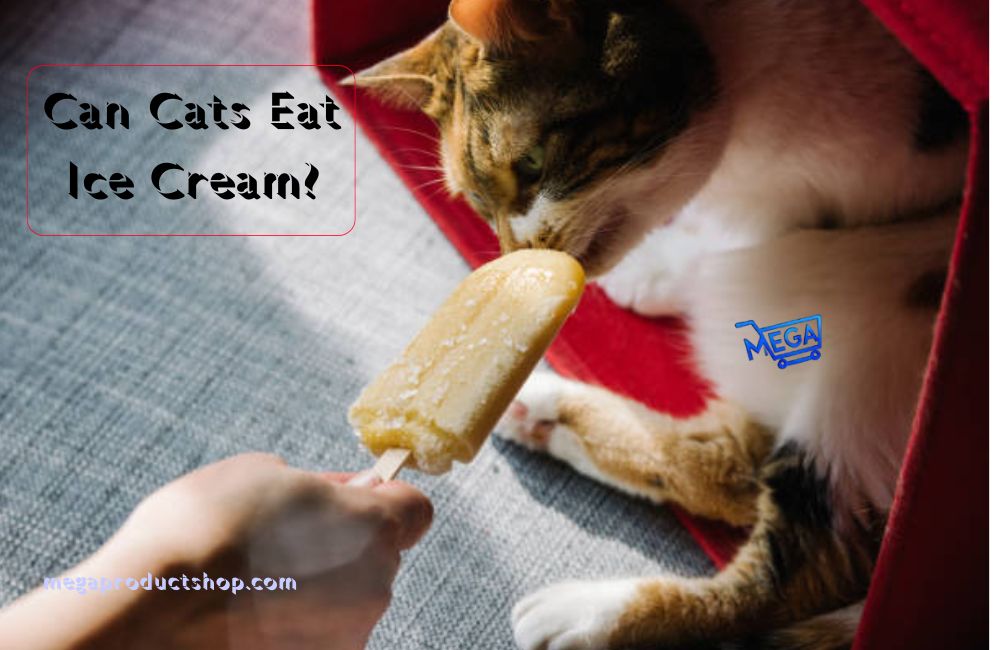


Ice cream is a popular treat for humans, especially in hot weather. But if you’re a cat owner, you might wonder: Can cats eat ice cream? While the sight of your cat curiously sniffing your cone is cute, ice cream can actually be harmful to most cats. This guide explains why and offers safer alternatives.
Can Cats Eat Ice Cream?
See Also: What can cats not eat?
What does this tell us about whether cats can eat ice cream? No, cats should not eat regular ice cream. Most cats are lactose intolerant, meaning they lack the enzyme lactase needed to digest dairy properly. Eating ice cream can lead to digestive issues like vomiting, diarrhea, and gas. Even small amounts can upset your cat’s stomach, and certain flavors contain toxic ingredients.
Is ice-cream safe for cats?
No, ice cream is not safe for cats. Most adult cats are lactose intolerant, which can cause digestive upset and other health risks. Lactose in ice cream can cause vomiting, diarrhea, gas, and bloating in lactose-intolerant cats, which affects nearly all adults after weaning.
High sugar and fat content risks obesity, diabetes, and pancreatitis, while flavors like chocolate or those with xylitol are outright toxic. Even small amounts beyond a lick can trigger issues, and cold temperatures may cause brain freeze or tooth pain.
Is ice-cream bad for cats?
Yes, ice cream is generally bad for cats. While a small lick of vanilla flavor probably won’t hurt them, most cats are lactose intolerant, which can cause diarrhea, vomiting, and upset stomachs. High levels of sugar and fat can lead to obesity, diabetes, pancreatitis, and heart disease over time.
Toxic additives like chocolate, xylitol, or high sodium in some flavors can cause serious poisoning, seizures, or liver damage. It’s best to avoid giving ice cream to cats altogether.
Can Cats Eat Frozen Yogurt?
Frozen yogurt is generally not recommended for cats, even in small amounts. Like ice cream, it often contains dairy lactose, which most adult cats can’t digest well, plus added sugars that can lead to obesity and diabetes. Plain frozen yogurt has lower lactose than milk due to bacterial fermentation, but many cats still experience vomiting, diarrhea, or gas from intolerance.
Flavored varieties may contain harmful sugars, artificial sweeteners (such as xylitol), or fruits toxic to cats, worsening the risks. The cold temperature can also cause discomfort, similar to the brain freeze you get from ice cream.
Safer alternatives to ice cream?
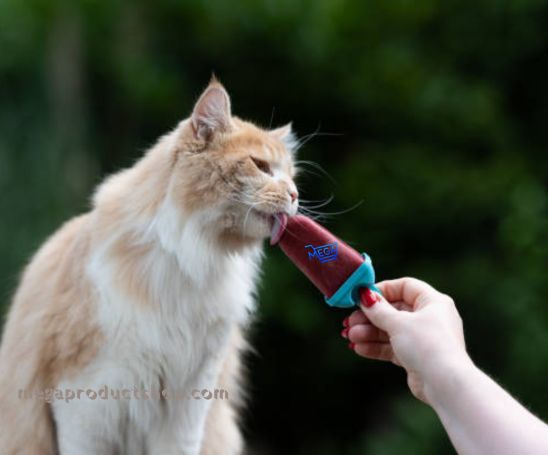
Safer alternatives to ice cream for cats include dairy-free, sugar-free, toxin-free frozen treats. These options provide cooling and hydration while matching feline dietary needs.
Homemade Frozen Treats
Freeze low-sodium chicken or tuna broth (diluted with water) in ice cube trays for a simple, lickable snack. Puree plain cooked chicken, salmon, or pate wet cat food, add water if needed, and freeze in small molds—serve tiny portions occasionally. Sprinkle catnip into water ice cubes or mix with lactose-free plain yogurt drops for variety, but test tolerance first.
Commercial Options
Choose cat-specific frozen treats or “kitty ice cream” from pet brands, ensuring no xylitol or artificial additives. Freeze Churu or Tiki Cat Stix tubes directly for a hydrating, protein-rich cool-down. Limit treats to less than 10% of daily calories to prevent obesity.
What other foods are unsafe for cats?
Many common human foods are unsafe for cats due to toxicity, digestive issues, or nutritional imbalances.
Highly Toxic Foods
Onions, garlic, leeks, and chives damage red blood cells, causing anemia even in small amounts. Chocolate and caffeine trigger vomiting, seizures, and heart issues from methylxanthines. Grapes, raisins, and related fruits risk acute kidney failure.
Other Dangerous Items
Raw eggs, meat, or fish carry salmonella or biotin-blocking enzymes, leading to illness or malnutrition. Alcohol and raw dough cause disorientation, breathing problems, or expansion in the stomach. Xylitol (in sugar-free gum) and high-fat trimmings provoke liver failure or pancreatitis. Dairy products, such as milk or cheese, often trigger symptoms of lactose intolerance. Always consult a vet if exposure occurs.
Conclusion
While it may be tempting to share your ice cream with your cat, regular ice cream is unsafe for them. Most cats are lactose intolerant, and certain flavors are toxic. Instead, opt for cat-friendly frozen treats or safe homemade alternatives. Your cat will enjoy the cool treat without risking their health!
FAQs
Is ice cream poisonous to cats?
Ice cream is not immediately poisonous to cats, but it is harmful. Most cats are lactose intolerant, and some flavors, like chocolate, or ingredients, like xylitol, can be toxic.
Is there cat ice cream?
Yes, there is “cat ice cream,” but it is different from human ice cream. It is usually lactose-free and made with cat-safe ingredients like broth, wet food, or goat milk.
Can cats eat vanilla ice cream?
Vanilla ice cream is not toxic to cats, but it’s not recommended. Most cats are lactose intolerant, so even a small amount can upset their stomach.
Can cats eat chocolate ice cream?
No, cats should not eat chocolate ice cream. Chocolate contains theobromine and caffeine, which are toxic to cats and can cause serious health problems.
Can cats eat non-dairy ice cream?
Non-dairy ice cream is not recommended for cats. It may contain high levels of sugar, fat, or harmful ingredients, such as chocolate or artificial sweeteners, which can be unsafe for them.
Can cats eat frozen yogurt?
Cats can have a tiny lick of plain frozen yogurt occasionally, but it’s not recommended regularly. Lactose and added sugars or xylitol can cause digestive issues or be toxic.