


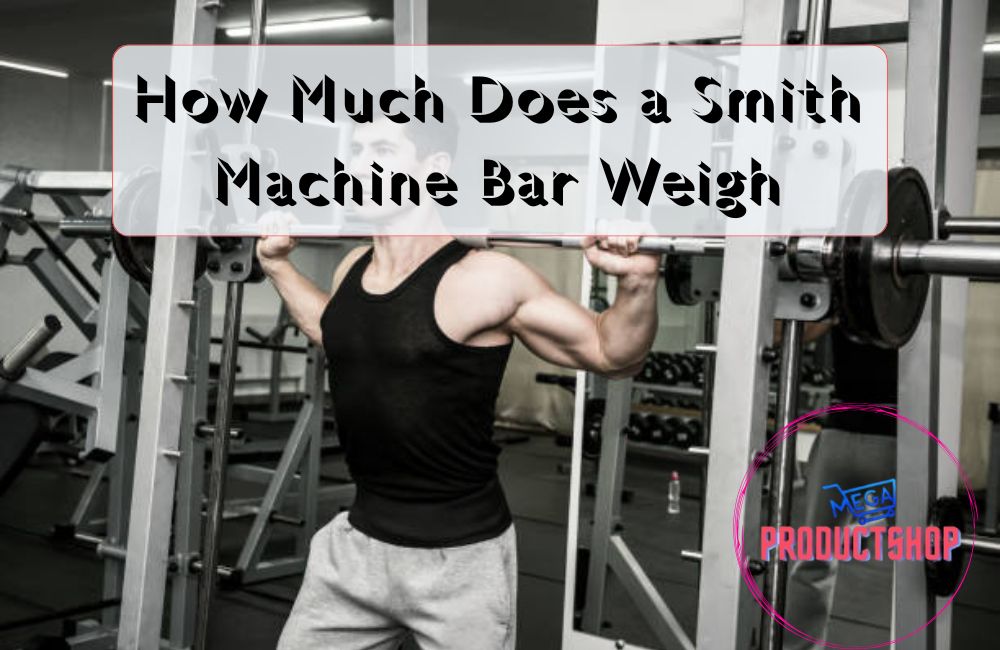
How Much Does a Smith Machine Bar Weight? The bar of a Smith machine often weighs between 20 and 30 lbs (9-13 kg). Depending on the brand, it could be as low as 13 lbs (6 kg) or as high as 45 lbs (20 kg).
Each machine is different, depending on its make and model. This comprehensive guide will cover everything you should know regarding Smith machine bar weights and their differences among models. We will also provide best practices to estimate your lifting weight accurately.
Whether you are just starting out or have been lifting for years, knowing the actual weight of the Smith machine bar will greatly enhance your workout and aid in meeting your fitness objectives.
Importance of Knowing the Weight of a Smith Machine Bar
See Also: 5 Best Dishwasher Detergents For A Sparkling Clean
For a few reasons, it’s important to know the weight of a Smith Machine Bar.
- It enables you to accurately assess the total weight you lift at any given moment during each workout.
- It is important to see your progress and ensure you’re working with the right amount of weight.
- Weight information is critical not only for deciding what workout plan to follow but also for choosing the plates to use with the barbell.
- Being aware of the weight of a Smith Machine Bar can help prevent accidents due to overloading the machine with too much weight.
What Is A Smith Machine Bar?
The Smith Machine is a piece of strength equipment in most gyms. Its primary feature is the Smith Machine bar, which moves up and down at angles and is attached to a fixed vertical track. The controlled movement path can benefit new lifters or individuals practicing their form or safety for the lifting portion of their workout.
Different Types Of Smith Machines

Counterbalanced Smith Machine
The Counterbalanced Smith Machine is an engineering marvel. It makes lifting considerably easier because the weight of the bar is counterbalanced. This machine is excellent for people who are just beginning or more concerned with form, since it counterbalances the bar’s weight. I recommend it to anyone looking to become stronger without overloading the musculature too quickly.
Linear Bearing Smith Machine
The linear bearing Smith Machine reigns supreme for those who want the most precise, smooth, frictionless motion. Thanks to linear bearings and solid steel guide rods, the bar on this machine moves as though it were a free-weight movement. This style of Smith Machine is for heavy lifters who want clean and strict reps.
All-in-one Smith Machine
The All-in-one Smith Machine is a complete workout station and incorporates many forms of fitness. It is a complete workout solution, as it can be outfitted with a Smith rack, options for cable exercises, a pull-up bar, and various attachments. It is a space saver and ideal for home gyms where versatility and functionality are necessary.
Selectorized Smith Machine
The ultimate in convenience are selectorized Smith Machines, which use weight stacks attached to the bar via cable. Rather than load and unload weight plates, they simply choose the weight by using a pin, thus saving time and hassle. Many commercial gyms prefer this type of Smith Machine because it is easy to use and weights can be easily changed.
Standard Barbell Weight vs. Smith Machine Bar Weight
Many people are unaware that a standard barbell and the bar from a Smith machine can differ in weight by a few pounds, and this seemingly minor discrepancy has the potential to change how you work out.
The same goes for the Olympic barbell, which usually weighs 45 pounds (20.4 kg), the norm at most gyms worldwide. Because lifts are consistent, lifters can measure progress reliably and alter their lift accordingly.
Smith machine bar weights are not standardized and will differ according to the specific machine design. Although the bars on different Smith machines are sometimes made to be the same weight as an average 45-pound barbell, very frequently they are made lighter, usually weighing between 15 and 30 lbs (7 to 14 kg).
This “lighter” weight is due to the counterweighted load mechanisms that some Smith machines have, which reduce the effective weight and make it easier to lift.
This distinction is important when switching your workout from free weights to a Smith machine or vice versa.
Not knowing the correct weight of the Smith machine bar you’re working with can result in serious underloading or overloading of the exercises and negatively impact the effectiveness and safety of your training. Always verify the bar’s weight on your specific Smith machine, or weigh it yourself, well before your workout.
Tips for Adjusting Workouts Based on Bar Weight
Knowing how much the bar on your specific Smith machine weights is an important part of customizing your workouts. Because bars used on the Smith machine also vary widely in weight from light training bars to some hefty competition-style bars, adjusting your exercise according to the bar’s weight allows you to avoid undertraining or over-exerting yourself.
First, always check the weight of the bar before starting your session. The bar may weigh anywhere from 15 to 25 lbs, but other gyms’ models will vary, as most gyms don’t have the same machine.
After learning what the bar weighs, could you include it in your total load? To illustrate, if you wish to lift 100 pounds but the bar weighs 30 pounds, you must add 70 pounds of plates to total 100 pounds.
Then adjust your sets and reps in your workouts to match. Alternatively, you typically lift heavier weights on a regular free-weight barbell, such as one weighing 45 pounds, and you are switching to a lighter Smith machine bar.
In that case, adding weight or increasing reps is necessary to achieve a similar challenge. On the other hand, if the smith machine’s bar is heavier, begin with lower weight plates until strength is built to avoid injury.
An example of this would be to look at how the Smith machine’s set path impacts muscle recruitment. As the bar travels along a fixed track, specific stabilizing muscles are not recruited as they would with free weights. Modify your training to include free-weight exercises that complement your own exercise to balance muscle development.
Finally, listen to your body. If you feel too much strain/discomfort, revisit the overall weight, bar included, and lower it. You should log all your lifts and bar weights accurately so you can see where you are and what changes you need to make in time.
FAQs on How Much Does a Smith Machine Bar Weigh?
How much does a standard Smith machine bar weigh?
Most Smith machine bars weigh between 15 and 25 pounds (7 to 11 kilograms), which is lighter than a traditional Olympic barbell, which typically weighs 45 pounds (20 kilograms). The exact weight can vary depending on the manufacturer and model.
Are Smith machine bars the same length as regular barbells?
No, Smith machine bars are generally shorter than standard barbells. While a standard barbell is about 7 feet long, Smith machine bars often range between 5 and 7 feet. This shorter length is because the bar is fixed within the machine’s vertical rails.
Can I add the same weight plates on a Smith machine bar as on a regular barbell?
Yes, Smith machine bars typically have sleeves accommodating standard Olympic weight plates (2-inch diameter holes). Ensure the plates fit securely and the machine can support the total weight.
Is the weight of the Smith machine bar counterbalanced?
Some Smith machines feature a counterbalance system that offsets the weight of the bar, making the bar feel lighter during lifts. This is important to consider when tracking your lifting progress.
Does the Smith machine bar spin like a regular barbell?
Unlike free barbells, many Smith machine bars do not rotate or have limited rotation since they are fixed within the machine’s rails. This can affect the natural movement of certain lifts.
Conclusion
Knowing How Much Does a Smith Machine Bar Weigh is important for proper strength training. Weight of a Smith Machine Bar Each standard weight can range from 15-25 lbs. As always verify with your gym or the manufacturer for the particulars. Now you’re ready to start lifting, knowing what it is you are working with.