


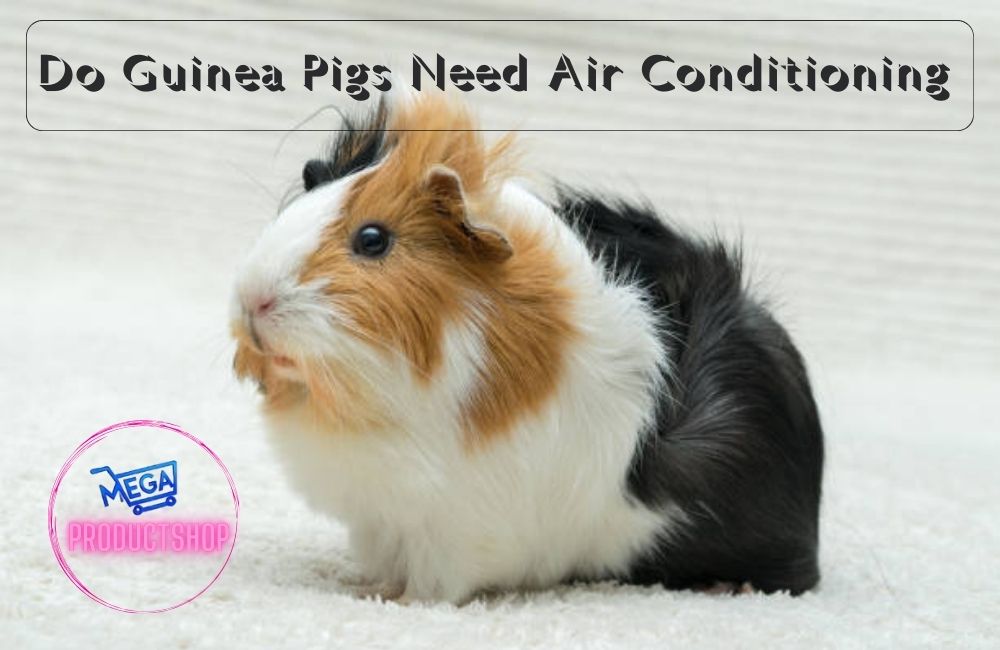
Do guinea pigs need air conditioning? As the temperature increases and summer is just around the corner, it’s time to start thinking about how to keep your little furry friends nice and cool, especially our small pets like guinea pigs.
These cuties might look tough but are very heat sensitive; a few degrees of excess warmth can lead to stress or illness. Knowing whether guinea pigs need air conditioning and how to ensure a cool and safe environment for their comfort and well-being is important.
This post will explore the best ways to keep your guinea pig cool, including practical tips for temperature control so your pet thrives even on the hottest days of the year.
Do Guinea Pigs Need Air Conditioning?
Related: Can Guinea Pigs Eat Mango? Sweet Treat Safety Tips
Yes, air conditioning is good for guinea pigs on warm days. These adorable little pets are also temperature-sensitive and prefer a mild, cozy environment. Guinea pigs can be susceptible to heatstroke during the hot summer months, making the heat extremely stressful for them.
Providing better living conditions can be achieved by ensuring adequate ventilation and, in some cases, air conditioning. It is also essential to monitor the temperature and humidity levels regularly and ensure they are safe for guinea pigs. By following these guidelines, you can maintain a happy and healthy environment for your pets throughout the year.
Understanding Guinea Pigs and Their Temperature Needs
Guinea pigs are sensitive small animals requiring specific temperatures for their health and comfort. Regarding temperature, guinea pigs are far more sensitive to heat and cold than other pets. They prefer temperatures of 65 °F to 75 °F (18 °C to 23 °C).
Heat above 80 degrees F (27 degrees C) becomes risky and may induce heat stress and heatstroke. In contrast, cold drafts and temperatures below 50 degrees F (10 degrees C) for prolonged periods can lead to respiratory and other problems.
Because guinea pigs do not sweat, they depend heavily on their surroundings to control and manage their body temperature. This translates into the fact that having a cool, shaded, and well-ventilated living space when it is hot outside is essential.
On the other hand, one should keep their space warm and draft-free in cooler months. Knowing these temperature requirements is the first step in ensuring your guinea pig stays safe, comfortable, and therefore not stressed, happy, and healthy.
Benefits of Air Conditioning for Guinea Pigs
Air conditioning provides a reliable way to keep your guinea pigs cool when temperatures soar. It helps maintain a stable indoor environment, ensuring the temperature stays within their ideal range of 65°F to 75°F. This stability reduces the risk of heat stress, which can occur when temperatures rise above 77°F.
An air-conditioned room offers a haven for guinea pigs during the summer heat. Unlike fans, which circulate warm air, an air conditioning unit actively cools the space. This makes it especially useful in regions with prolonged heat waves. Keeping the room cool helps your guinea pigs avoid overheating and stay comfortable.
Quick Tip: Always monitor the room temperature with a thermometer to ensure it stays within the safe range for your guinea pigs.
Signs Your Guinea Pig is Overheating
Guinea pigs are also delicate and prone to overheating, particularly in hot weather. Identify these signs before your pet develops heatstroke, which can be fatal. Animals become too hot, excessively wheezing, rapid breathing, sluggishness, weakness, and energy loss.
Other signs to look for suffering guinea pigs include being unable to chew food, trying to seek out cool spaces in their cage, and producing saliva uncontrollably. They might feel warm to the touch, especially their ears and feet, and, in extreme cases, look disoriented or lethargic.
If you notice any of these signs, you will want to immediately get your pet to a cooler environment and provide them with water and a small animal cooling pad or fan. Monitoring for some of these signs can help guarantee that your guinea pig is safe and comfortable during hot days.
Do Guinea Pigs Need Air Conditioning? Pros and Cons
Guinea pigs do well in a consistent and accommodating atmosphere. The answer to air conditioning can’t be given in a straight yes or no – it depends on how you control your pet’s surroundings.
Pros of Using Air Conditioning
In areas where temperatures rise above 75°F (23°C), air conditioning can soothe your guinea pig during hot weather. They can suffer from dangerous and often fatal overheating; an air-conditioned room provides consistent coolness, which prevents overheating.
This mitigated environment is also helpful in lowering humidity levels, which can reduce respiratory issues often observed in guinea pigs.
Cons of Using Air Conditioning
Air conditioning units can create drafts and sudden temperature changes, which can be stressful for guinea pigs. These small pets are sensitive to chills and can easily get a respiratory infection if there is a cold draft or a quick temperature change. Plus, leaving an air conditioner on all day can be expensive and is not eco-friendly.
Note
Guinea pigs don’t necessarily need air conditioning, but in hot climates or during heat waves, it can be a valuable tool for maintaining a safe and comfortable environment. Monitor the temperature carefully and avoid exposing your pet to cold drafts or sudden temperature changes.
Alternative Ways to Keep Your Guinea Pig Cool
When considering cooling guinea pigs without air conditioning, focus on natural methods. One choice is to put water bottles or ice packs wrapped in towels in their cage. Offer cool surfaces, like ceramic tiles or smooth stones, for them to lay on.
Make sure their cage is in a shaded area and is well-ventilated. A fan away from their cage can circulate fresh air for them, but they should not face it directly. Always provide lots of fresh water, and consider hydrating veggies such as cucumber or bell peppers.
Proper Ventilation for Guinea Pig Cages
Good air circulation is also important because guinea pigs are susceptible to heat and poor air quality. A wire cage with a solid bottom is preferable, as it provides ventilation without drafts. Do not keep the cage in direct sunlight or near heat sources, nor in small, enclosed areas where the air becomes stagnant.
Odors and ammonia are kept at a minimum with regular cleanings and bedding changes. Place air circulators or purifiers, if appropriate to your situation, but do not direct fans towards your pet. Good ventilation is also important for your guinea pig’s comfort and respiratory health when it is warm outside.
Hydration Tips for Hot Weather
Hydration is a significant concern for guinea pigs in warm temperatures. Guinea pigs are especially prone to dehydration, are sensitive to heat, and can dehydrate quickly. Fresh, cool water should always be available for your pet throughout the day.
A water bottle with a sipper tube can also keep the water clean and minimize spills. Aside from plain water, you can also provide fresh veggies with high water content, such as cucumber, lettuce, and bell peppers, to help hydrate your guinea pig.
Be sure to change the water frequently to keep it fresh and prevent it from becoming a breeding ground for bacteria. On those hot days, you can also give your furry friend ice cubes or frozen snacks made from safe fruits and vegetables to enjoy and cool down a little.
Ensuring your guinea pig is well-hydrated is a great way to ensure they are at ease and feeling well during the hotter months.
Safe Cooling Products and Accessories
To keep your guinea pig cool, it is best to use safe products with non-toxic gel, such as small pet cooling pads or tile pads made of ceramic or marble. The materials mentioned above provide a safe and refreshing surface devoid of risk to your guinea pig.
Ice packs should never be placed in direct contact, but rather wrapped in towels and placed near the enclosure. Ensure that fans or AC units improve the airflow, but do not blow directly onto your guinea pig, as this will cause stress.
As always, look out for signs of overheating, such as lethargy or shallow breathing, and consult a veterinarian if necessary. The right cooling accessories will ensure that your guinea pig is healthy and comfortable even during hot weather.
Seasonal Care: Adapting to Summer Heat
Modifying your guinea pig’s care in summer to avoid overheating is very important. Keep their cage shaded, cool, and breezy; they do not prefer direct sunlight or stuffy rooms. Always offer fresh, cool water; ice cubes may help.
Moderate amounts of cucumber or watermelon may be given as hydrating snacks. Run a fan on low to circulate air, but not directly on the plants. Use bedding that is heat resistant, such as paper-based materials, and replace it often.
Be on the lookout for signs of heat stress, including lethargy, fast breathing, or drooling, and contact a veterinarian if you need assistance. These precautions can help ensure your guinea pig stays comfortable and safe all summer.
Monitoring Your Guinea Pig’s Behavior in Warm Weather
Since guinea pigs can indicate their behavior if they are overheating, it’s essential to be mindful of observed behavior in hot weather. Behavioral signs of overheating may include lethargy, decreased appetite, moving into the shade, rapid breathing, or panting.
If you see these behaviors, your guinea pig has difficulty with the heat. Providing additional cooling options immediately and modifying the environment can help prevent heat stress. Regular, watchful observation is critical to keeping your guinea pig safe, healthy, and comfortable in the summer.
When to Seek Veterinary Help for Heat Stress
Heat stress is critical, and immediate action is required. Monitor for excessive panting, fast breathing, lethargy, drooling, weakness, lack of coordination, or her ears and body feeling excessively warm.
Should your guinea pig appear dazed and unresponsive, immediately relocate to a cool, shaded area where freshwater is provided while making a vet appointment.
Never attempt to “cure” advanced heat stress at home as it can progress to heatstroke and can become a serious situation or even be life-threatening. This is exactly why immediate veterinary care is vital to your pet’s safety and well-being.
Is Air Conditioning Necessary in All Situations?
Air conditioning isn’t always essential for keeping guinea pigs cool. In mild climates, simple measures like providing shade, improving ventilation, and using cooling pads can suffice. An air conditioning unit is essential to prevent heat-related issues in areas with intense summer heat.
If you don’t have access to air conditioning, consider alternative methods. Frozen water bottles wrapped in cloth can provide a cooling surface for your guinea pigs. Fans can also help, but ensure they don’t blow directly on your pets. Always prioritize creating a comfortable and safe environment for them.
FAQs
How do guinea pigs handle hot weather?
Guinea pigs lack sweat glands and rely on their environment to regulate body temperature, making them highly vulnerable to heat stress and heat stroke above 77°F. It’s essential to keep their surroundings cool and shaded for their safety.
What temperature is too hot for guinea pigs?
Temperatures above 79°F are dangerous for guinea pigs, posing a risk of life-threatening heatstroke. Maintain a safe range of 65°F to 75°F, and use a thermometer to monitor and regulate their environment.
Can I use a fan to cool my guinea pig?
Yes, you can use a fan to help cool your guinea pig, but there are important considerations to keep in mind to ensure their safety and comfort.
Is air conditioning safe for guinea pigs?
Yes, air conditioning can be safe for guinea pigs. To prevent respiratory issues, avoid direct cold air on them. Keep the room temperature stable, and clean the filters regularly to avoid dust and allergens.h.
What are some cooling foods I can give my guinea pig?
Water-rich foods like cucumber, lettuce, and bell peppers help keep guinea pigs hydrated and cool. Serve these snacks chilled for a refreshing effect, but avoid sugary fruits that could upset their stomach.
How can I tell if my guinea pig is overheating?
Signs of overheating in guinea pigs include lethargy, heavy breathing, drooling, and weakness. In severe cases, they may have seizures or become unresponsive. Move them to a cooler area, provide water, and contact a vet if needed.
Are there specific breeds of guinea pigs more prone to overheating?
Yes, Long-haired guinea pigs, such as Peruvian and Silkie breeds, and pregnant, older, and young guinea pigs are more prone to overheating and require extra care to stay cool and comfortable.
Can I keep my guinea pig outside during summer?
Yes, you can keep your guinea pig outside during the summer. It’s best to keep guinea pigs indoors during hot summer to avoid direct sunlight and temperature fluctuations, reducing the risk of heatstroke and allowing better temperature control.
What should I do if my guinea pig shows signs of heatstroke?
If you suspect heatstroke, move your guinea pig to a cool, shaded area, gently wipe them with a damp cloth, and offer small sips of water. Avoid sudden temperature changes and contact a veterinarian if their condition doesn’t improve.
Conclusion
Keeping your guinea pig cool and comfortable, especially in warm weather, is crucial for their overall health and happiness. Guinea pigs do not specifically require air conditioning, but rather a shaded, well-ventilated, temperature-regulated environment to avoid overheating and stress.
By following the tips in this post, such as avoiding heat, applying cooling mats, maintaining proper hydration, and so forth, you will be able to create a safe environment for your pets.