



How to put on a pregnancy belt? The changes in your body during pregnancy bring a whole new set of challenges. One is the increasing weight and pain in your back and pelvis.
A pregnancy or maternity support belt can relieve these problems and make your pregnancy journey more comfortable. But it is very important to wear it correctly. This article will discuss the correct way to wear a pregnancy belt, its benefits, when to wear it, and some important tips.
What is a Pregnancy Belt
A pregnancy belt, also known as a maternity belt or belly band, is a supportive garment that supports the lower abdomen and lower back during pregnancy. It is usually made of elastic, neoprene, or other soft fabrics that are comfortable against the skin.
These belts are typically composed of a stretchy material that can accommodate a growing belly. Choosing the right pregnancy belt can significantly increase comfort during daily activities and exercise.
Why Do You Need a Pregnancy Belt?
- Back and pelvic pain relief: The belt reduces the pressure on the lower back and pelvis due to the growing uterus and baby’s weight.
- Maintaining correct posture: The belt supports the spine and helps maintain proper posture, which reduces back pain.
- Reducing muscle strain: Helps reduce muscle strain or tension by reducing pressure on the abdominal muscles.
- Assisting in physical activity: Provides extra support during walking or light exercise.
Types of Pregnancy Belts
There are several types of pregnancy belts, each offering different levels of support:
Belly Bands
These are typically wide, stretchy fabric tubes that offer light support and can help smooth out lines under clothing. They are often used in early to mid-pregnancy or for light support.
Maternity Support Belts (Sacroiliac/SI Belts)
These belts wrap around the lower back and under the belly, providing more targeted support for the lower back and sacroiliac joints. They are excellent for sciatica, pelvic girdle pain (PGP), and general lower back pain.
Full Pregnancy Support Belts (Cradle Belts)
These offer the most comprehensive support, often featuring an abdominal strap that cradles the belly from underneath, sometimes with additional straps that go over the shoulders or around the back for enhanced lift and stability. Ideal for significant discomfort, multiple pregnancies, or later stages of pregnancy.
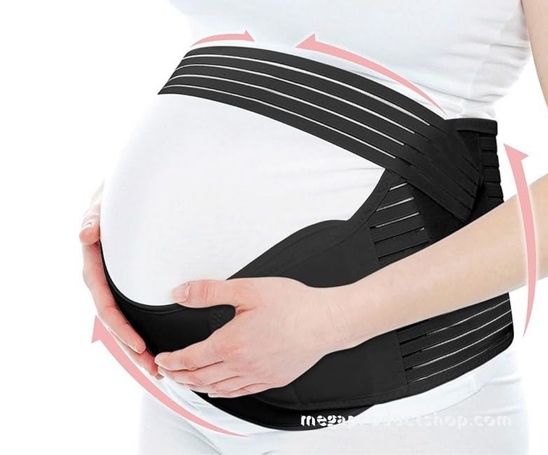
How To Put On A Pregnancy Belt (Step-by-Step Guide)
See Also: How To Sleep With Pinched Nerve In Shoulder Blade
It is very important to wear a pregnancy belt correctly, as wearing it incorrectly can cause discomfort rather than benefit.
Step 1: Choose the right size
Before wearing the belt, make sure that you have chosen the right size belt for your body. Most belt manufacturers have size charts regarding measurement of the body. The size is typically chosen according to your pre-pregnancy pant size or waist size. Large and small belts are uncomfortable.
Step 2: Wear comfortable clothing
It is better to wear the belt over thin, comfortable clothing, such as a T-shirt or top, rather than wearing it directly on your skin. This will help avoid chafing or discomfort.
Step 3: Determine the position of the belt
Place the belt on your lower abdomen, just below and above your hips. This will support your pelvic joints and gently lift your lower abdomen.
Step 4: Wrap the belt around your abdomen
Start from your lower back and bring the main part of the belt around your abdomen. Some belts are designed to fasten with Velcro or adjustable fasteners in the front.
Step 5: Adjust the support straps (if applicable)
Many pregnancy belts have additional support straps over your upper abdomen or shoulders. If your belt has such straps, pull them lightly so that your belly gently lifts and the pressure on your back is reduced. Make sure the straps are not too tight.
Step 6: Secure the belt
Secure the belt using the Velcro or fasteners on the belt. Make sure the belt is snug but not too tight.
An important tip: When you put on the belt, you should feel your belly gently lift, and the pressure on your lower back should be reduced. Remove the belt and try again, or recheck the size if you feel pain or discomfort.
When to Start Wearing a Pregnancy Belt?
Most women can begin using a support belt in the second trimester, approximately at 16 weeks of gestation, when their belly is growing noticeably larger and back/pelvic pain is becoming apparent for each individual. This can vary based on personal preference and discomfort levels.
Best times to wear a pregnancy belt:
- While walking or standing for long hours
- During household chores or light work
- When exercising (low-impact prenatal workouts)
- When experiencing back or pelvic pain
Avoid wearing during:
- Sleep or lying down
- Sitting for long periods
- Rest or relaxation times
Benefits of Using a Pregnancy Belt
Using a pregnancy belt has several benefits and can make the mothering experience more comfortable.
Alleviates Back Pain
In many women, the additional weight and altered Posture cause back pain as the baby grows. The pregnancy belt supports the lower back and helps with weight distribution, alleviating stress on the spine.
Supports Growing Belly
The ideal pregnancy support belt lifts the belly without applying pressure and provides gentle support by alleviating pressure on ligaments and muscles.
Improves Posture
A pregnancy belt also helps to improve Posture as it encourages proper spinal alignment. This is especially useful for women sitting or on their feet all day.
Enhances Mobility
Most moms-to-be feel that a pregnancy belt gives them the ability to move without pain. The latter is beneficial for those hoping to stay active during their pregnancy.
Provides Security During Exercise
For those interested in maintaining an exercise program while pregnant, a pregnancy belt can provide support during exercise by stabilizing the abdomen and lower back.
Factors to Consider When Choosing a Pregnancy Belt
Purchasing an appropriate pregnancy belt is important to benefit from its advantages. Here are some things to help you decide:
1. Size and Fit
Make sure the size is tight yet comfortable around your waist or below your belly. Most brands have adjustable options for your body as it grows and changes throughout pregnancy.
2. Material Quality
Choose breathable cotton or spandex belts that provide support, but are flexible and allow for ventilation.
3. Style of Belt
Several styles are available; some support only the lower abdominal area, and others provide encirclement support through the waist and lower back. Do what you feel is appropriate for your situation.
4. Ease of Use
Find belts that are convenient to put on and take off by themselves. This process can be simplified using Velcro straps or adjustable hooks.
Important Tips for Wearing a Pregnancy Belt
- Do not wear the belt continuously. Take it off and relax every few hours.
- Never wear the belt too tightly. This can restrict blood circulation and make breathing difficult. The right tightness is when you can easily move a hand under the belt.
- Always select the correct size according to your current measurements.
- Clean the belt regularly, especially if it comes into direct contact with the skin.
- Talk to your doctor before using a pregnancy belt, especially if you have any health complications.
- Try to maintain correct body posture in your daily life rather than relying solely on the belt.
FAQs
When should I start wearing a pregnancy belt?
Most women start using a belt during the second trimester (around 20 weeks) when the belly begins to grow noticeably and back pain starts.
Can I wear a pregnancy belt all day?
No, experts recommend limiting use to a few hours daily to prevent muscle weakness.
Can I exercise while wearing a pregnancy belt?
Yes, many belts are designed for light exercise. Always choose a breathable, flexible option.
Are pregnancy belts safe for the baby?
Yes, when worn correctly, they are safe. The belt supports your belly without pressing directly on the baby.
Do I need a doctor’s recommendation before wearing one?
Not always, but if you have a high-risk pregnancy or any medical complications, consult your doctor first.
What is the difference between a pregnancy belt and a belly band?
A belly band is usually thinner and provides mild support, while a pregnancy belt is sturdier and gives stronger back and belly support.
Can I use my pregnancy belt after delivery?
Yes, some belts double as postpartum support. They help support abdominal muscles and improve posture after childbirth.
Conclusion
A pregnancy belt can be a great way to provide comfort and support during pregnancy. When selected and used correctly, it can help reduce back and pelvic pain and make your pregnancy experience more enjoyable. Remember, it’s always a good idea to consult your healthcare provider before using any new product.