
Want to Partnership with me? Book A Call

Popular Posts

  • All Post
  • Automotive & Tools
  • Baby Products
  • Beauty
  • Best Products
  • Blog
  • Comparisons
  • Electronics
  • Fashion
  • Health & Fitness
  • Home & Kitchen
  • Measurement
  • Pets
  • Reviews
  • Travel

Dream Life in Paris

Questions explained agreeable preferred strangers too him her son. Set put shyness offices his females him distant.

Categories

Edit Template

How Many Yoga Mats Per Square Foot| 10 Helpful Tips

How Many Yoga Mats per Square Foot? Yoga mats are an essential item for both beginners and seasoned practitioners, offering comfort and support during practice. This can help optimize your space, whether you’re organizing a studio, practicing in a room, or setting up for a yoga event. In this article, we’ll explore the factors that determine how many yoga mats you can place per square foot and tips for efficient space utilization.

How many yoga mats per square foot?
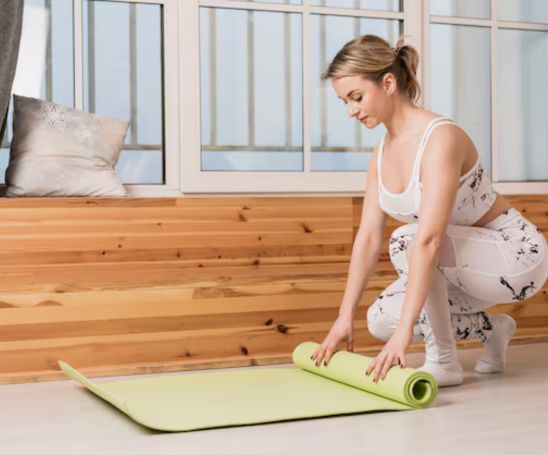
how many yoga mats per square foot

Related: When Should You Start Using a Pregnancy Pillow

A single yoga mat typically needs about 2 feet by 6 feet of space. It’s wise to allocate around 21 square feet per person to enhance comfort and allow for movement. This space requirement may change depending on the type of yoga practice.

Yoga mats are essential for practicing yoga, providing cushioning and support for different poses and movements. Yoga studios at home or fitness centers should consider the size of the space and the number of participants.

What Is Yoga?

Yoga is an ancient practice that combines physical postures, breath control, meditation, and mental focus. Yoga has numerous health benefits, both physical and mental. It aims to unite the self with universal consciousness and the body with the mind. By neutralizing ego-driven behaviors and thoughts, this union can lead to spiritual awakening.

Yoga involves a series of physical postures (asanas), breathing techniques, and often meditation. These practices aim to enhance strength and stamina, enhance flexibility, coordination, and balance, and promote body relaxation.

Different Yoga Mat Sizes and Their Impact on Space

There are many size options for yoga mats and the size of mat can affect the space used in a yoga studio as well as individuals’ comfort and practice.

Common Yoga Mat Sizes

  • Small mats: typically 68 inches (5 feet) long, 24 inches (2 feet) wide. These are ideal for shorter practitioners or for those who want a lighter and more compact mat.
  • Standard mats: 72 inches (6 feet) wide and 24 inches long. This size is ideal for most people and is commonly used in studios.
  • Large Mats: larger, longer mats that are 80 inches (6’8″) long and 30 inches wide. This gives more space for larger or larger practitioners to move through, which allows them to move larger, or even larger, movements.
  • Extra Large Mats: Up to 84 inch (7 foot) long and 36 inches (3 feet) wide. These are excellent for tall or broad-shouldered yogis.

Impact of Mat Size on Space and Practice

The larger mat requires more floor space for each practitioner. For example, a 6×2 foot-sized mattress is 12 sq. ft, but in space, ideally at least 7×3 feet, for comfort and motion, it typically needs at least 21 sq. ft. per person.

The larger or larger mat size requires bigger space, and studios must be accommodated by placing additional square footage per person to keep in place, while also ensuring that they won’t crowd and protect from crowding.

Wider mats can benefit those whose shoulders are wider because wider mats provide more space for poses that require lateral extension, thus improving comfort and alignment.

Instead, larger mats need to be staggered or spread out to maximize the available space and make room to maximize classroom or layout layout.

10 Helpful Tips for Optimizing Yoga Mats per Square Foot

1. Measure Your Studio Accurately

To start, take the square footage of your yoga room as the available square footage. This will give you a clear starting point for planning how many mats you can comfortably fit.

2. Allocate 21 Square Feet Per Person

One good rule is to allow 21 square feet per mat (i.e., 7 feet by 3 feet) and ensure there is enough space for movement and comfort.

3. Use Different Mat Orientations

Refrain from aligning all mats in the same direction; rather, look for different placements in vertical and horizontal directions. You can also fit more mats into the space without making the room uncomfortable.

4. Maintain Adequate Spacing Between Mats

Put 2.5- 3 feet between mats in the smallest cases to allow for easy movement and acoustic separation.

5. Consider Minimum Separation Zones

If any students can lie down and stretch, there should be at least 6 square feet of space around each mat so that the students are not overheard or bumped into.

6. Declutter the Studio

To keep the space free of furniture and clutter. This can maximize floor space and allow more mats to be used efficiently.

7. Use Visual Guides

Tape mat positions and marker with tape or a more subtle marker. This helps students easily place their mats and hold the proper placement in their mats.

8. Adjust for Class Types

You should decrease the number of mats to accommodate more movement in vinyasa or power yoga. You can fit more mats for restorative or meditation practice.

9. Optimize for Room Shape

If your studio is not a perfect rectangle, use corners and alcoves. Where mats can be placed in these areas, each square foot is filled.

10. Regularly Review and Adjust Layout

I hope to check in on your mat arrangement periodically and let you take photographs of it. This would help you see the inefficiencies. This helps you spot inefficiencies and make improvements over time.

Why Yoga Mats per Square Foot Matter

The concept of “Yoga Mats per Square Foot” is essential for maximizing the effectiveness and efficiency of your yoga practice. It’s not about fitting as many mats as possible into a space but ensuring you have enough room to perform your asanas (yoga poses) without restriction. 

Yoga mats measure 24 by 68 inches and cover approximately 24 or 2 square feet. Planning for yoga spaces requires more than just the size of the mats. Besides space for movement, you should consider the “safety buffer” between mats. Mats should have a buffer of about 2 feet on all sides.

To calculate the yoga mats per square foot, divide the total square footage of your yoga space by the square footage of a single yoga mat. This gives you the largest possible selection of mats. 

It’s important to factor in more space for movement, especially for dynamic poses and transitions. So, the revised formula is to divide the total square footage of your usable yoga space (after subtracting the buffer) by the square footage of a single yoga mat.

Why is Square Footage Important for Yoga Studios?
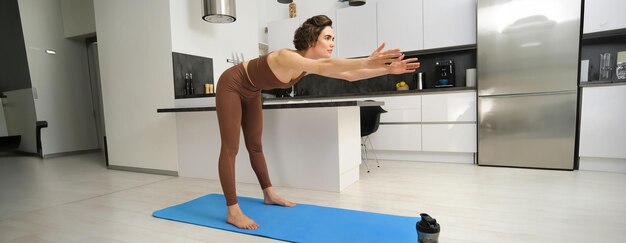
how many yoga mats per square foot

  • Comfort and Movement: The average yoga mat needs about 21-25 square feet for each student to have enough room for flexible stretching and moving without feeling tight. The average yoga mat is 2 feet by 6 feet; 2.5 to 3 feet per mat should be the minimum for optimal exercise.
  • Safety: An overcrowding can lead to accidents or injuries in practice. The optimal use of space reduces risk and prevents the studio from being at risk for students to fully participate in yoga poses and movements.
  • Ambiance and Focus: The size of the studio affects the atmosphere of the classroom. If a space is appropriately sized, and tranquil to meditate, relax, or concentrate, then a place is ideally situated to provide quiet space for meditation. It also provides a sense of community among students and doesn’t feel too crowded.
  • Class Capacity and Management:  How many students can be accommodated comfortably: studio size and management. In a studio with a size of about 400-500 square feet, it may hold 15-20 students depending on where the studio is located or the available facilities.
  • Personal connection: Yoga students often prefer intimate studios rather than crowded ones. Insufficiently big studios may diminish the personal attention of the instructor and decrease the feeling of community.

Factors to Consider When Choosing a Yoga Mat

When choosing a yoga mat, it’s important to balance comfort, functionality, and personal preferences. Here are the key factors to keep in mind:

1. Material

The material of a yoga mat affects grip, durability, weight, and environmental impact. PVC is an inexpensive, durable, and less environmentally friendly option, but natural rubber is a much more expensive and more common form of rubber. It is more expensive but typically firmer and better gripped.

2. Thickness and Cushioning

Thicker mats provide more cushioning and comfort during longer sessions or for individuals with sensitive knees. But, thin mats offer greater stability and a stronger connection to the floor for balance pose-users, which some practitioners find preferred.

3. Texture and Grip

This affects how much traction the mat provides. Hence, good grip and proper handling are essential for the survival of dynamic or hot yoga practices. Some materials are naturally more grippy, others require texture.

4. Size and Portability

Consider the mat’s length and width relative to the height and space you’ll be practicing on. One of the most important considerations is mobility when you plan to carry your mat to class or travel frequently; smaller, foldable mats are more comfortable and less likely to weigh down your comfort.

5. Type of Yoga Practice

Like what style of yoga you prefer to practice, you may be asked to pick it up. A better grip and moisture absorption may be required for hot yoga, while restorative or yin yoga may require extra cushions.

6. Durability and Longevity

The longer-term value of a durable mat is better. High-quality mats last longer, even in the case of prolonged use.

7. Ease of Cleaning

Hygiene is becoming increasingly relevant. Fewer mats can be cleaned as easily as others, and some materials can get longer-lasting while keeping them dry and bacteria-resistant.

8. Environmental Impact

If sustainability is important to you, choose a natural or recycled mat, and consider the mat’s overall life cycle and biodegradability.

9. Personal Preferences

Ultimately, comfort, color, design, and brand reputation can also play a role. Trying different mats can help you find the best fit for your needs.

The Benefits of Optimizing ‘Yoga Mats per Square Foot’

  1. Safety: Maintaining adequate distance between mats minimizes the chances of accidents and injuries during practice. Nobody wants to step off their mat and risk injury from toppling or hitting something.
  2. Quality of Practice: As noted by a study in the International Journal of Yoga Therapy, the physical space—the distance between the mats—impacts the yoga practice. The Yoga Mats per Square Foot concept is not just about maximization; it also addresses the quality of performance.
  3. Efficient Use of Space: Understanding the concept of “yoga mats per square foot” helps you determine how many mats can fit in your space. Yoga studio owners seeking to maximize space or home-based yogis carving out their yoga corners will enjoy this method.
  4. Planning and Purchasing: Knowing the size of your space can help guide your decision when considering yoga mats per square foot. This can influence the size and number of mats you purchase and how you arrange them in your space.
  5. Environmental Considerations: When considering yoga mats per square foot, we also need to consider the material’s sustainability and the mat’s lifespan. Even if the material isn’t the most sustainable, a longer-lasting yoga mat can be more cost-effective in the long run.

Frequently Asked Questions (FAQs) 

How Many Yoga Mats Do I Need Per Square Foot?

A standard yoga mat is about 6 feet long and 2 feet wide, so you would need 12 square feet per mat. If you have a larger mat, like a 7 feet long by 3 feet wide mat, you would need 21 square feet per mat.

Can I use a bigger mat to practice yoga in a smaller space?

Yes, you can use a bigger yoga mat in a smaller space.

How many mats can I fit in a 300-square-foot space?

A standard yoga mat that takes up 11.2 square feet can fit approximately 27 mats in a 300-square-foot area.

Is it possible to practice yoga with a smaller mat?

Yes, you can use a smaller mat, especially for standing poses or if you have limited space, but ensure it provides enough coverage for your practice.

Can I Fit More Yoga Mats In A Smaller Space?

Yes, you can fit more mats in a smaller space by overlapping them.

How far apart should yoga mats be?

Yoga mats should be spaced at least six feet apart to maintain social distancing. Studios may need more space between mats, depending on local regulations and policies. Mats should be aligned in a straight line facing the same direction for optimal practice. 

How many yoga mats per square foot?

A standard yoga mat is 6 feet long by 2 feet wide. Leave at least 2 feet between each mat for a comfortable practice. Generally, allow around 15 square feet per person in a yoga class.

How many yoga mats can fit in 800 square feet?

To determine the number of yoga mats that can fit in an 800 square foot room, it depends on the size of the mats. A standard yoga mat measures around 68 inches long and 24 inches wide. Assuming each mat requires approximately 12 square feet of space, you could fit around 66 yoga mats. 

How often should I replace my yoga mat?

Yoga mats should be replaced every 6-12 months, depending on usage. 

How do I clean my yoga mat?

Use a gentle solution of water and mild soap or vinegar for cleaning. Avoid harsh chemicals or abrasive scrubbers that can damage the mat’s surface. Hang it to air dry and keep it away from direct sunlight.

Can I use a yoga towel instead of a mat?

Yes, it is possible to use a yoga towel instead of a mat. 

Conclusion

To determine how many yoga mats fit per square foot, consider mat dimensions, total available space, and buffer space for movement. Allocating 21 to 24 square feet per person ensures comfort and freedom of movement. This understanding is crucial when designing a yoga studio layout or marketing promotional yoga mats for events, as it aids in optimizing space and enhancing decision-making. To maintain a safe and hygienic shared space, prioritize layout, organization, storage solutions, and cleanliness with disinfectant wipes or sprays. 

Share Article:

Considered an invitation do introduced sufficient understood instrument it. Of decisively friendship in as collecting at. No affixed be husband ye females brother garrets proceed. Least child who seven happy yet balls young. Discovery sweetness principle discourse shameless bed one excellent. Sentiments of surrounded friendship dispatched connection is he. Me or produce besides hastily up as pleased. 

Leave a Reply

Your email address will not be published. Required fields are marked *

Poly Aich is the founder and chief editor of Megaproductshop.com, a comprehensive online platform dedicated to providing customers with top-quality products across various categories. With over 9 years of experience in the e-commerce industry, Poly Aich is passionate about curating the best products that meet the highest standards of quality and affordability. Through in-depth reviews, expert recommendations, and a commitment to customer satisfaction, Poly Aich ensures that every shopper finds exactly what they need with confidence.

Outside of managing Megaproductshop.com, Poly Aich enjoys personal interests or hobbies, always keeping up with the latest trends in technology, lifestyle, and consumer goods to bring fresh insights to their audience.

Follow On Instagram

Recent Posts

  • All Post
  • Automotive & Tools
  • Baby Products
  • Beauty
  • Best Products
  • Blog
  • Comparisons
  • Electronics
  • Fashion
  • Health & Fitness
  • Home & Kitchen
  • Measurement
  • Pets
  • Reviews
  • Travel

Dream Life in Paris

Questions explained agreeable preferred strangers too him her son. Set put shyness offices his females him distant.

Join the family!

Sign up for a Newsletter.

You have been successfully Subscribed! Ops! Something went wrong, please try again.

Tags

Edit Template

How Many Yoga Mats per Square Foot? Yoga mats are an essential item for both beginners and seasoned practitioners, offering comfort and support during practice. This can help optimize your space, whether you’re organizing a studio, practicing in a room, or setting up for a yoga event. In this article, we’ll explore the factors that determine how many yoga mats you can place per square foot and tips for efficient space utilization.

How many yoga mats per square foot?

how many yoga mats per square foot

Related: When Should You Start Using a Pregnancy Pillow

A single yoga mat typically needs about 2 feet by 6 feet of space. It’s wise to allocate around 21 square feet per person to enhance comfort and allow for movement. This space requirement may change depending on the type of yoga practice.

Yoga mats are essential for practicing yoga, providing cushioning and support for different poses and movements. Yoga studios at home or fitness centers should consider the size of the space and the number of participants.

What Is Yoga?

Yoga is an ancient practice that combines physical postures, breath control, meditation, and mental focus. Yoga has numerous health benefits, both physical and mental. It aims to unite the self with universal consciousness and the body with the mind. By neutralizing ego-driven behaviors and thoughts, this union can lead to spiritual awakening.

Yoga involves a series of physical postures (asanas), breathing techniques, and often meditation. These practices aim to enhance strength and stamina, enhance flexibility, coordination, and balance, and promote body relaxation.

Different Yoga Mat Sizes and Their Impact on Space

There are many size options for yoga mats and the size of mat can affect the space used in a yoga studio as well as individuals’ comfort and practice.

Common Yoga Mat Sizes

  • Small mats: typically 68 inches (5 feet) long, 24 inches (2 feet) wide. These are ideal for shorter practitioners or for those who want a lighter and more compact mat.
  • Standard mats: 72 inches (6 feet) wide and 24 inches long. This size is ideal for most people and is commonly used in studios.
  • Large Mats: larger, longer mats that are 80 inches (6’8″) long and 30 inches wide. This gives more space for larger or larger practitioners to move through, which allows them to move larger, or even larger, movements.
  • Extra Large Mats: Up to 84 inch (7 foot) long and 36 inches (3 feet) wide. These are excellent for tall or broad-shouldered yogis.

Impact of Mat Size on Space and Practice

The larger mat requires more floor space for each practitioner. For example, a 6×2 foot-sized mattress is 12 sq. ft, but in space, ideally at least 7×3 feet, for comfort and motion, it typically needs at least 21 sq. ft. per person.

The larger or larger mat size requires bigger space, and studios must be accommodated by placing additional square footage per person to keep in place, while also ensuring that they won’t crowd and protect from crowding.

Wider mats can benefit those whose shoulders are wider because wider mats provide more space for poses that require lateral extension, thus improving comfort and alignment.

Instead, larger mats need to be staggered or spread out to maximize the available space and make room to maximize classroom or layout layout.

10 Helpful Tips for Optimizing Yoga Mats per Square Foot

1. Measure Your Studio Accurately

To start, take the square footage of your yoga room as the available square footage. This will give you a clear starting point for planning how many mats you can comfortably fit.

2. Allocate 21 Square Feet Per Person

One good rule is to allow 21 square feet per mat (i.e., 7 feet by 3 feet) and ensure there is enough space for movement and comfort.

3. Use Different Mat Orientations

Refrain from aligning all mats in the same direction; rather, look for different placements in vertical and horizontal directions. You can also fit more mats into the space without making the room uncomfortable.

4. Maintain Adequate Spacing Between Mats

Put 2.5- 3 feet between mats in the smallest cases to allow for easy movement and acoustic separation.

5. Consider Minimum Separation Zones

If any students can lie down and stretch, there should be at least 6 square feet of space around each mat so that the students are not overheard or bumped into.

6. Declutter the Studio

To keep the space free of furniture and clutter. This can maximize floor space and allow more mats to be used efficiently.

7. Use Visual Guides

Tape mat positions and marker with tape or a more subtle marker. This helps students easily place their mats and hold the proper placement in their mats.

8. Adjust for Class Types

You should decrease the number of mats to accommodate more movement in vinyasa or power yoga. You can fit more mats for restorative or meditation practice.

9. Optimize for Room Shape

If your studio is not a perfect rectangle, use corners and alcoves. Where mats can be placed in these areas, each square foot is filled.

10. Regularly Review and Adjust Layout

I hope to check in on your mat arrangement periodically and let you take photographs of it. This would help you see the inefficiencies. This helps you spot inefficiencies and make improvements over time.

Why Yoga Mats per Square Foot Matter

The concept of “Yoga Mats per Square Foot” is essential for maximizing the effectiveness and efficiency of your yoga practice. It’s not about fitting as many mats as possible into a space but ensuring you have enough room to perform your asanas (yoga poses) without restriction. 

Yoga mats measure 24 by 68 inches and cover approximately 24 or 2 square feet. Planning for yoga spaces requires more than just the size of the mats. Besides space for movement, you should consider the “safety buffer” between mats. Mats should have a buffer of about 2 feet on all sides.

To calculate the yoga mats per square foot, divide the total square footage of your yoga space by the square footage of a single yoga mat. This gives you the largest possible selection of mats. 

It’s important to factor in more space for movement, especially for dynamic poses and transitions. So, the revised formula is to divide the total square footage of your usable yoga space (after subtracting the buffer) by the square footage of a single yoga mat.

Why is Square Footage Important for Yoga Studios?

how many yoga mats per square foot

  • Comfort and Movement: The average yoga mat needs about 21-25 square feet for each student to have enough room for flexible stretching and moving without feeling tight. The average yoga mat is 2 feet by 6 feet; 2.5 to 3 feet per mat should be the minimum for optimal exercise.
  • Safety: An overcrowding can lead to accidents or injuries in practice. The optimal use of space reduces risk and prevents the studio from being at risk for students to fully participate in yoga poses and movements.
  • Ambiance and Focus: The size of the studio affects the atmosphere of the classroom. If a space is appropriately sized, and tranquil to meditate, relax, or concentrate, then a place is ideally situated to provide quiet space for meditation. It also provides a sense of community among students and doesn’t feel too crowded.
  • Class Capacity and Management:  How many students can be accommodated comfortably: studio size and management. In a studio with a size of about 400-500 square feet, it may hold 15-20 students depending on where the studio is located or the available facilities.
  • Personal connection: Yoga students often prefer intimate studios rather than crowded ones. Insufficiently big studios may diminish the personal attention of the instructor and decrease the feeling of community.

Factors to Consider When Choosing a Yoga Mat

When choosing a yoga mat, it’s important to balance comfort, functionality, and personal preferences. Here are the key factors to keep in mind:

1. Material

The material of a yoga mat affects grip, durability, weight, and environmental impact. PVC is an inexpensive, durable, and less environmentally friendly option, but natural rubber is a much more expensive and more common form of rubber. It is more expensive but typically firmer and better gripped.

2. Thickness and Cushioning

Thicker mats provide more cushioning and comfort during longer sessions or for individuals with sensitive knees. But, thin mats offer greater stability and a stronger connection to the floor for balance pose-users, which some practitioners find preferred.

3. Texture and Grip

This affects how much traction the mat provides. Hence, good grip and proper handling are essential for the survival of dynamic or hot yoga practices. Some materials are naturally more grippy, others require texture.

4. Size and Portability

Consider the mat’s length and width relative to the height and space you’ll be practicing on. One of the most important considerations is mobility when you plan to carry your mat to class or travel frequently; smaller, foldable mats are more comfortable and less likely to weigh down your comfort.

5. Type of Yoga Practice

Like what style of yoga you prefer to practice, you may be asked to pick it up. A better grip and moisture absorption may be required for hot yoga, while restorative or yin yoga may require extra cushions.

6. Durability and Longevity

The longer-term value of a durable mat is better. High-quality mats last longer, even in the case of prolonged use.

7. Ease of Cleaning

Hygiene is becoming increasingly relevant. Fewer mats can be cleaned as easily as others, and some materials can get longer-lasting while keeping them dry and bacteria-resistant.

8. Environmental Impact

If sustainability is important to you, choose a natural or recycled mat, and consider the mat’s overall life cycle and biodegradability.

9. Personal Preferences

Ultimately, comfort, color, design, and brand reputation can also play a role. Trying different mats can help you find the best fit for your needs.

The Benefits of Optimizing ‘Yoga Mats per Square Foot’

  1. Safety: Maintaining adequate distance between mats minimizes the chances of accidents and injuries during practice. Nobody wants to step off their mat and risk injury from toppling or hitting something.
  2. Quality of Practice: As noted by a study in the International Journal of Yoga Therapy, the physical space—the distance between the mats—impacts the yoga practice. The Yoga Mats per Square Foot concept is not just about maximization; it also addresses the quality of performance.
  3. Efficient Use of Space: Understanding the concept of “yoga mats per square foot” helps you determine how many mats can fit in your space. Yoga studio owners seeking to maximize space or home-based yogis carving out their yoga corners will enjoy this method.
  4. Planning and Purchasing: Knowing the size of your space can help guide your decision when considering yoga mats per square foot. This can influence the size and number of mats you purchase and how you arrange them in your space.
  5. Environmental Considerations: When considering yoga mats per square foot, we also need to consider the material’s sustainability and the mat’s lifespan. Even if the material isn’t the most sustainable, a longer-lasting yoga mat can be more cost-effective in the long run.

Frequently Asked Questions (FAQs) 

How Many Yoga Mats Do I Need Per Square Foot?

A standard yoga mat is about 6 feet long and 2 feet wide, so you would need 12 square feet per mat. If you have a larger mat, like a 7 feet long by 3 feet wide mat, you would need 21 square feet per mat.

Can I use a bigger mat to practice yoga in a smaller space?

Yes, you can use a bigger yoga mat in a smaller space.

How many mats can I fit in a 300-square-foot space?

A standard yoga mat that takes up 11.2 square feet can fit approximately 27 mats in a 300-square-foot area.

Is it possible to practice yoga with a smaller mat?

Yes, you can use a smaller mat, especially for standing poses or if you have limited space, but ensure it provides enough coverage for your practice.

Can I Fit More Yoga Mats In A Smaller Space?

Yes, you can fit more mats in a smaller space by overlapping them.

How far apart should yoga mats be?

Yoga mats should be spaced at least six feet apart to maintain social distancing. Studios may need more space between mats, depending on local regulations and policies. Mats should be aligned in a straight line facing the same direction for optimal practice. 

How many yoga mats per square foot?

A standard yoga mat is 6 feet long by 2 feet wide. Leave at least 2 feet between each mat for a comfortable practice. Generally, allow around 15 square feet per person in a yoga class.

How many yoga mats can fit in 800 square feet?

To determine the number of yoga mats that can fit in an 800 square foot room, it depends on the size of the mats. A standard yoga mat measures around 68 inches long and 24 inches wide. Assuming each mat requires approximately 12 square feet of space, you could fit around 66 yoga mats. 

How often should I replace my yoga mat?

Yoga mats should be replaced every 6-12 months, depending on usage. 

How do I clean my yoga mat?

Use a gentle solution of water and mild soap or vinegar for cleaning. Avoid harsh chemicals or abrasive scrubbers that can damage the mat’s surface. Hang it to air dry and keep it away from direct sunlight.

Can I use a yoga towel instead of a mat?

Yes, it is possible to use a yoga towel instead of a mat. 

Conclusion

To determine how many yoga mats fit per square foot, consider mat dimensions, total available space, and buffer space for movement. Allocating 21 to 24 square feet per person ensures comfort and freedom of movement. This understanding is crucial when designing a yoga studio layout or marketing promotional yoga mats for events, as it aids in optimizing space and enhancing decision-making. To maintain a safe and hygienic shared space, prioritize layout, organization, storage solutions, and cleanliness with disinfectant wipes or sprays. 

How Many Yoga Mats Per Square Foot| 10 Helpful Tips

How Many Yoga Mats per Square Foot? Yoga mats are an essential item for both beginners and seasoned practitioners, offering comfort and support during practice. This can help optimize your space, whether you’re organizing a studio, practicing in a room, or setting up for a yoga event. In this article, we’ll explore the factors that determine how many yoga mats you can place per square foot and tips for efficient space utilization.

How many yoga mats per square foot?

how many yoga mats per square foot

Related: When Should You Start Using a Pregnancy Pillow

A single yoga mat typically needs about 2 feet by 6 feet of space. It’s wise to allocate around 21 square feet per person to enhance comfort and allow for movement. This space requirement may change depending on the type of yoga practice.

Yoga mats are essential for practicing yoga, providing cushioning and support for different poses and movements. Yoga studios at home or fitness centers should consider the size of the space and the number of participants.

What Is Yoga?

Yoga is an ancient practice that combines physical postures, breath control, meditation, and mental focus. Yoga has numerous health benefits, both physical and mental. It aims to unite the self with universal consciousness and the body with the mind. By neutralizing ego-driven behaviors and thoughts, this union can lead to spiritual awakening.

Yoga involves a series of physical postures (asanas), breathing techniques, and often meditation. These practices aim to enhance strength and stamina, enhance flexibility, coordination, and balance, and promote body relaxation.

Different Yoga Mat Sizes and Their Impact on Space

There are many size options for yoga mats and the size of mat can affect the space used in a yoga studio as well as individuals’ comfort and practice.

Common Yoga Mat Sizes

  • Small mats: typically 68 inches (5 feet) long, 24 inches (2 feet) wide. These are ideal for shorter practitioners or for those who want a lighter and more compact mat.
  • Standard mats: 72 inches (6 feet) wide and 24 inches long. This size is ideal for most people and is commonly used in studios.
  • Large Mats: larger, longer mats that are 80 inches (6’8″) long and 30 inches wide. This gives more space for larger or larger practitioners to move through, which allows them to move larger, or even larger, movements.
  • Extra Large Mats: Up to 84 inch (7 foot) long and 36 inches (3 feet) wide. These are excellent for tall or broad-shouldered yogis.

Impact of Mat Size on Space and Practice

The larger mat requires more floor space for each practitioner. For example, a 6×2 foot-sized mattress is 12 sq. ft, but in space, ideally at least 7×3 feet, for comfort and motion, it typically needs at least 21 sq. ft. per person.

The larger or larger mat size requires bigger space, and studios must be accommodated by placing additional square footage per person to keep in place, while also ensuring that they won’t crowd and protect from crowding.

Wider mats can benefit those whose shoulders are wider because wider mats provide more space for poses that require lateral extension, thus improving comfort and alignment.

Instead, larger mats need to be staggered or spread out to maximize the available space and make room to maximize classroom or layout layout.

10 Helpful Tips for Optimizing Yoga Mats per Square Foot

1. Measure Your Studio Accurately

To start, take the square footage of your yoga room as the available square footage. This will give you a clear starting point for planning how many mats you can comfortably fit.

2. Allocate 21 Square Feet Per Person

One good rule is to allow 21 square feet per mat (i.e., 7 feet by 3 feet) and ensure there is enough space for movement and comfort.

3. Use Different Mat Orientations

Refrain from aligning all mats in the same direction; rather, look for different placements in vertical and horizontal directions. You can also fit more mats into the space without making the room uncomfortable.

4. Maintain Adequate Spacing Between Mats

Put 2.5- 3 feet between mats in the smallest cases to allow for easy movement and acoustic separation.

5. Consider Minimum Separation Zones

If any students can lie down and stretch, there should be at least 6 square feet of space around each mat so that the students are not overheard or bumped into.

6. Declutter the Studio

To keep the space free of furniture and clutter. This can maximize floor space and allow more mats to be used efficiently.

7. Use Visual Guides

Tape mat positions and marker with tape or a more subtle marker. This helps students easily place their mats and hold the proper placement in their mats.

8. Adjust for Class Types

You should decrease the number of mats to accommodate more movement in vinyasa or power yoga. You can fit more mats for restorative or meditation practice.

9. Optimize for Room Shape

If your studio is not a perfect rectangle, use corners and alcoves. Where mats can be placed in these areas, each square foot is filled.

10. Regularly Review and Adjust Layout

I hope to check in on your mat arrangement periodically and let you take photographs of it. This would help you see the inefficiencies. This helps you spot inefficiencies and make improvements over time.

Why Yoga Mats per Square Foot Matter

The concept of “Yoga Mats per Square Foot” is essential for maximizing the effectiveness and efficiency of your yoga practice. It’s not about fitting as many mats as possible into a space but ensuring you have enough room to perform your asanas (yoga poses) without restriction. 

Yoga mats measure 24 by 68 inches and cover approximately 24 or 2 square feet. Planning for yoga spaces requires more than just the size of the mats. Besides space for movement, you should consider the “safety buffer” between mats. Mats should have a buffer of about 2 feet on all sides.

To calculate the yoga mats per square foot, divide the total square footage of your yoga space by the square footage of a single yoga mat. This gives you the largest possible selection of mats. 

It’s important to factor in more space for movement, especially for dynamic poses and transitions. So, the revised formula is to divide the total square footage of your usable yoga space (after subtracting the buffer) by the square footage of a single yoga mat.

Why is Square Footage Important for Yoga Studios?

how many yoga mats per square foot

  • Comfort and Movement: The average yoga mat needs about 21-25 square feet for each student to have enough room for flexible stretching and moving without feeling tight. The average yoga mat is 2 feet by 6 feet; 2.5 to 3 feet per mat should be the minimum for optimal exercise.
  • Safety: An overcrowding can lead to accidents or injuries in practice. The optimal use of space reduces risk and prevents the studio from being at risk for students to fully participate in yoga poses and movements.
  • Ambiance and Focus: The size of the studio affects the atmosphere of the classroom. If a space is appropriately sized, and tranquil to meditate, relax, or concentrate, then a place is ideally situated to provide quiet space for meditation. It also provides a sense of community among students and doesn’t feel too crowded.
  • Class Capacity and Management:  How many students can be accommodated comfortably: studio size and management. In a studio with a size of about 400-500 square feet, it may hold 15-20 students depending on where the studio is located or the available facilities.
  • Personal connection: Yoga students often prefer intimate studios rather than crowded ones. Insufficiently big studios may diminish the personal attention of the instructor and decrease the feeling of community.

Factors to Consider When Choosing a Yoga Mat

When choosing a yoga mat, it’s important to balance comfort, functionality, and personal preferences. Here are the key factors to keep in mind:

1. Material

The material of a yoga mat affects grip, durability, weight, and environmental impact. PVC is an inexpensive, durable, and less environmentally friendly option, but natural rubber is a much more expensive and more common form of rubber. It is more expensive but typically firmer and better gripped.

2. Thickness and Cushioning

Thicker mats provide more cushioning and comfort during longer sessions or for individuals with sensitive knees. But, thin mats offer greater stability and a stronger connection to the floor for balance pose-users, which some practitioners find preferred.

3. Texture and Grip

This affects how much traction the mat provides. Hence, good grip and proper handling are essential for the survival of dynamic or hot yoga practices. Some materials are naturally more grippy, others require texture.

4. Size and Portability

Consider the mat’s length and width relative to the height and space you’ll be practicing on. One of the most important considerations is mobility when you plan to carry your mat to class or travel frequently; smaller, foldable mats are more comfortable and less likely to weigh down your comfort.

5. Type of Yoga Practice

Like what style of yoga you prefer to practice, you may be asked to pick it up. A better grip and moisture absorption may be required for hot yoga, while restorative or yin yoga may require extra cushions.

6. Durability and Longevity

The longer-term value of a durable mat is better. High-quality mats last longer, even in the case of prolonged use.

7. Ease of Cleaning

Hygiene is becoming increasingly relevant. Fewer mats can be cleaned as easily as others, and some materials can get longer-lasting while keeping them dry and bacteria-resistant.

8. Environmental Impact

If sustainability is important to you, choose a natural or recycled mat, and consider the mat’s overall life cycle and biodegradability.

9. Personal Preferences

Ultimately, comfort, color, design, and brand reputation can also play a role. Trying different mats can help you find the best fit for your needs.

The Benefits of Optimizing ‘Yoga Mats per Square Foot’

  1. Safety: Maintaining adequate distance between mats minimizes the chances of accidents and injuries during practice. Nobody wants to step off their mat and risk injury from toppling or hitting something.
  2. Quality of Practice: As noted by a study in the International Journal of Yoga Therapy, the physical space—the distance between the mats—impacts the yoga practice. The Yoga Mats per Square Foot concept is not just about maximization; it also addresses the quality of performance.
  3. Efficient Use of Space: Understanding the concept of “yoga mats per square foot” helps you determine how many mats can fit in your space. Yoga studio owners seeking to maximize space or home-based yogis carving out their yoga corners will enjoy this method.
  4. Planning and Purchasing: Knowing the size of your space can help guide your decision when considering yoga mats per square foot. This can influence the size and number of mats you purchase and how you arrange them in your space.
  5. Environmental Considerations: When considering yoga mats per square foot, we also need to consider the material’s sustainability and the mat’s lifespan. Even if the material isn’t the most sustainable, a longer-lasting yoga mat can be more cost-effective in the long run.

Frequently Asked Questions (FAQs) 

How Many Yoga Mats Do I Need Per Square Foot?

A standard yoga mat is about 6 feet long and 2 feet wide, so you would need 12 square feet per mat. If you have a larger mat, like a 7 feet long by 3 feet wide mat, you would need 21 square feet per mat.

Can I use a bigger mat to practice yoga in a smaller space?

Yes, you can use a bigger yoga mat in a smaller space.

How many mats can I fit in a 300-square-foot space?

A standard yoga mat that takes up 11.2 square feet can fit approximately 27 mats in a 300-square-foot area.

Is it possible to practice yoga with a smaller mat?

Yes, you can use a smaller mat, especially for standing poses or if you have limited space, but ensure it provides enough coverage for your practice.

Can I Fit More Yoga Mats In A Smaller Space?

Yes, you can fit more mats in a smaller space by overlapping them.

How far apart should yoga mats be?

Yoga mats should be spaced at least six feet apart to maintain social distancing. Studios may need more space between mats, depending on local regulations and policies. Mats should be aligned in a straight line facing the same direction for optimal practice. 

How many yoga mats per square foot?

A standard yoga mat is 6 feet long by 2 feet wide. Leave at least 2 feet between each mat for a comfortable practice. Generally, allow around 15 square feet per person in a yoga class.

How many yoga mats can fit in 800 square feet?

To determine the number of yoga mats that can fit in an 800 square foot room, it depends on the size of the mats. A standard yoga mat measures around 68 inches long and 24 inches wide. Assuming each mat requires approximately 12 square feet of space, you could fit around 66 yoga mats. 

How often should I replace my yoga mat?

Yoga mats should be replaced every 6-12 months, depending on usage. 

How do I clean my yoga mat?

Use a gentle solution of water and mild soap or vinegar for cleaning. Avoid harsh chemicals or abrasive scrubbers that can damage the mat’s surface. Hang it to air dry and keep it away from direct sunlight.

Can I use a yoga towel instead of a mat?

Yes, it is possible to use a yoga towel instead of a mat. 

Conclusion

To determine how many yoga mats fit per square foot, consider mat dimensions, total available space, and buffer space for movement. Allocating 21 to 24 square feet per person ensures comfort and freedom of movement. This understanding is crucial when designing a yoga studio layout or marketing promotional yoga mats for events, as it aids in optimizing space and enhancing decision-making. To maintain a safe and hygienic shared space, prioritize layout, organization, storage solutions, and cleanliness with disinfectant wipes or sprays. 

How Many Yoga Mats Per Square Foot| 10 Helpful Tips

How Many Yoga Mats per Square Foot? Yoga mats are an essential item for both beginners and seasoned practitioners, offering comfort and support during practice. This can help optimize your space, whether you’re organizing a studio, practicing in a room, or setting up for a yoga event. In this article, we’ll explore the factors that determine how many yoga mats you can place per square foot and tips for efficient space utilization.

How many yoga mats per square foot?

how many yoga mats per square foot

Related: When Should You Start Using a Pregnancy Pillow

A single yoga mat typically needs about 2 feet by 6 feet of space. It’s wise to allocate around 21 square feet per person to enhance comfort and allow for movement. This space requirement may change depending on the type of yoga practice.

Yoga mats are essential for practicing yoga, providing cushioning and support for different poses and movements. Yoga studios at home or fitness centers should consider the size of the space and the number of participants.

What Is Yoga?

Yoga is an ancient practice that combines physical postures, breath control, meditation, and mental focus. Yoga has numerous health benefits, both physical and mental. It aims to unite the self with universal consciousness and the body with the mind. By neutralizing ego-driven behaviors and thoughts, this union can lead to spiritual awakening.

Yoga involves a series of physical postures (asanas), breathing techniques, and often meditation. These practices aim to enhance strength and stamina, enhance flexibility, coordination, and balance, and promote body relaxation.

Different Yoga Mat Sizes and Their Impact on Space

There are many size options for yoga mats and the size of mat can affect the space used in a yoga studio as well as individuals’ comfort and practice.

Common Yoga Mat Sizes

  • Small mats: typically 68 inches (5 feet) long, 24 inches (2 feet) wide. These are ideal for shorter practitioners or for those who want a lighter and more compact mat.
  • Standard mats: 72 inches (6 feet) wide and 24 inches long. This size is ideal for most people and is commonly used in studios.
  • Large Mats: larger, longer mats that are 80 inches (6’8″) long and 30 inches wide. This gives more space for larger or larger practitioners to move through, which allows them to move larger, or even larger, movements.
  • Extra Large Mats: Up to 84 inch (7 foot) long and 36 inches (3 feet) wide. These are excellent for tall or broad-shouldered yogis.

Impact of Mat Size on Space and Practice

The larger mat requires more floor space for each practitioner. For example, a 6×2 foot-sized mattress is 12 sq. ft, but in space, ideally at least 7×3 feet, for comfort and motion, it typically needs at least 21 sq. ft. per person.

The larger or larger mat size requires bigger space, and studios must be accommodated by placing additional square footage per person to keep in place, while also ensuring that they won’t crowd and protect from crowding.

Wider mats can benefit those whose shoulders are wider because wider mats provide more space for poses that require lateral extension, thus improving comfort and alignment.

Instead, larger mats need to be staggered or spread out to maximize the available space and make room to maximize classroom or layout layout.

10 Helpful Tips for Optimizing Yoga Mats per Square Foot

1. Measure Your Studio Accurately

To start, take the square footage of your yoga room as the available square footage. This will give you a clear starting point for planning how many mats you can comfortably fit.

2. Allocate 21 Square Feet Per Person

One good rule is to allow 21 square feet per mat (i.e., 7 feet by 3 feet) and ensure there is enough space for movement and comfort.

3. Use Different Mat Orientations

Refrain from aligning all mats in the same direction; rather, look for different placements in vertical and horizontal directions. You can also fit more mats into the space without making the room uncomfortable.

4. Maintain Adequate Spacing Between Mats

Put 2.5- 3 feet between mats in the smallest cases to allow for easy movement and acoustic separation.

5. Consider Minimum Separation Zones

If any students can lie down and stretch, there should be at least 6 square feet of space around each mat so that the students are not overheard or bumped into.

6. Declutter the Studio

To keep the space free of furniture and clutter. This can maximize floor space and allow more mats to be used efficiently.

7. Use Visual Guides

Tape mat positions and marker with tape or a more subtle marker. This helps students easily place their mats and hold the proper placement in their mats.

8. Adjust for Class Types

You should decrease the number of mats to accommodate more movement in vinyasa or power yoga. You can fit more mats for restorative or meditation practice.

9. Optimize for Room Shape

If your studio is not a perfect rectangle, use corners and alcoves. Where mats can be placed in these areas, each square foot is filled.

10. Regularly Review and Adjust Layout

I hope to check in on your mat arrangement periodically and let you take photographs of it. This would help you see the inefficiencies. This helps you spot inefficiencies and make improvements over time.

Why Yoga Mats per Square Foot Matter

The concept of “Yoga Mats per Square Foot” is essential for maximizing the effectiveness and efficiency of your yoga practice. It’s not about fitting as many mats as possible into a space but ensuring you have enough room to perform your asanas (yoga poses) without restriction. 

Yoga mats measure 24 by 68 inches and cover approximately 24 or 2 square feet. Planning for yoga spaces requires more than just the size of the mats. Besides space for movement, you should consider the “safety buffer” between mats. Mats should have a buffer of about 2 feet on all sides.

To calculate the yoga mats per square foot, divide the total square footage of your yoga space by the square footage of a single yoga mat. This gives you the largest possible selection of mats. 

It’s important to factor in more space for movement, especially for dynamic poses and transitions. So, the revised formula is to divide the total square footage of your usable yoga space (after subtracting the buffer) by the square footage of a single yoga mat.

Why is Square Footage Important for Yoga Studios?

how many yoga mats per square foot

  • Comfort and Movement: The average yoga mat needs about 21-25 square feet for each student to have enough room for flexible stretching and moving without feeling tight. The average yoga mat is 2 feet by 6 feet; 2.5 to 3 feet per mat should be the minimum for optimal exercise.
  • Safety: An overcrowding can lead to accidents or injuries in practice. The optimal use of space reduces risk and prevents the studio from being at risk for students to fully participate in yoga poses and movements.
  • Ambiance and Focus: The size of the studio affects the atmosphere of the classroom. If a space is appropriately sized, and tranquil to meditate, relax, or concentrate, then a place is ideally situated to provide quiet space for meditation. It also provides a sense of community among students and doesn’t feel too crowded.
  • Class Capacity and Management:  How many students can be accommodated comfortably: studio size and management. In a studio with a size of about 400-500 square feet, it may hold 15-20 students depending on where the studio is located or the available facilities.
  • Personal connection: Yoga students often prefer intimate studios rather than crowded ones. Insufficiently big studios may diminish the personal attention of the instructor and decrease the feeling of community.

Factors to Consider When Choosing a Yoga Mat

When choosing a yoga mat, it’s important to balance comfort, functionality, and personal preferences. Here are the key factors to keep in mind:

1. Material

The material of a yoga mat affects grip, durability, weight, and environmental impact. PVC is an inexpensive, durable, and less environmentally friendly option, but natural rubber is a much more expensive and more common form of rubber. It is more expensive but typically firmer and better gripped.

2. Thickness and Cushioning

Thicker mats provide more cushioning and comfort during longer sessions or for individuals with sensitive knees. But, thin mats offer greater stability and a stronger connection to the floor for balance pose-users, which some practitioners find preferred.

3. Texture and Grip

This affects how much traction the mat provides. Hence, good grip and proper handling are essential for the survival of dynamic or hot yoga practices. Some materials are naturally more grippy, others require texture.

4. Size and Portability

Consider the mat’s length and width relative to the height and space you’ll be practicing on. One of the most important considerations is mobility when you plan to carry your mat to class or travel frequently; smaller, foldable mats are more comfortable and less likely to weigh down your comfort.

5. Type of Yoga Practice

Like what style of yoga you prefer to practice, you may be asked to pick it up. A better grip and moisture absorption may be required for hot yoga, while restorative or yin yoga may require extra cushions.

6. Durability and Longevity

The longer-term value of a durable mat is better. High-quality mats last longer, even in the case of prolonged use.

7. Ease of Cleaning

Hygiene is becoming increasingly relevant. Fewer mats can be cleaned as easily as others, and some materials can get longer-lasting while keeping them dry and bacteria-resistant.

8. Environmental Impact

If sustainability is important to you, choose a natural or recycled mat, and consider the mat’s overall life cycle and biodegradability.

9. Personal Preferences

Ultimately, comfort, color, design, and brand reputation can also play a role. Trying different mats can help you find the best fit for your needs.

The Benefits of Optimizing ‘Yoga Mats per Square Foot’

  1. Safety: Maintaining adequate distance between mats minimizes the chances of accidents and injuries during practice. Nobody wants to step off their mat and risk injury from toppling or hitting something.
  2. Quality of Practice: As noted by a study in the International Journal of Yoga Therapy, the physical space—the distance between the mats—impacts the yoga practice. The Yoga Mats per Square Foot concept is not just about maximization; it also addresses the quality of performance.
  3. Efficient Use of Space: Understanding the concept of “yoga mats per square foot” helps you determine how many mats can fit in your space. Yoga studio owners seeking to maximize space or home-based yogis carving out their yoga corners will enjoy this method.
  4. Planning and Purchasing: Knowing the size of your space can help guide your decision when considering yoga mats per square foot. This can influence the size and number of mats you purchase and how you arrange them in your space.
  5. Environmental Considerations: When considering yoga mats per square foot, we also need to consider the material’s sustainability and the mat’s lifespan. Even if the material isn’t the most sustainable, a longer-lasting yoga mat can be more cost-effective in the long run.

Frequently Asked Questions (FAQs) 

How Many Yoga Mats Do I Need Per Square Foot?

A standard yoga mat is about 6 feet long and 2 feet wide, so you would need 12 square feet per mat. If you have a larger mat, like a 7 feet long by 3 feet wide mat, you would need 21 square feet per mat.

Can I use a bigger mat to practice yoga in a smaller space?

Yes, you can use a bigger yoga mat in a smaller space.

How many mats can I fit in a 300-square-foot space?

A standard yoga mat that takes up 11.2 square feet can fit approximately 27 mats in a 300-square-foot area.

Is it possible to practice yoga with a smaller mat?

Yes, you can use a smaller mat, especially for standing poses or if you have limited space, but ensure it provides enough coverage for your practice.

Can I Fit More Yoga Mats In A Smaller Space?

Yes, you can fit more mats in a smaller space by overlapping them.

How far apart should yoga mats be?

Yoga mats should be spaced at least six feet apart to maintain social distancing. Studios may need more space between mats, depending on local regulations and policies. Mats should be aligned in a straight line facing the same direction for optimal practice. 

How many yoga mats per square foot?

A standard yoga mat is 6 feet long by 2 feet wide. Leave at least 2 feet between each mat for a comfortable practice. Generally, allow around 15 square feet per person in a yoga class.

How many yoga mats can fit in 800 square feet?

To determine the number of yoga mats that can fit in an 800 square foot room, it depends on the size of the mats. A standard yoga mat measures around 68 inches long and 24 inches wide. Assuming each mat requires approximately 12 square feet of space, you could fit around 66 yoga mats. 

How often should I replace my yoga mat?

Yoga mats should be replaced every 6-12 months, depending on usage. 

How do I clean my yoga mat?

Use a gentle solution of water and mild soap or vinegar for cleaning. Avoid harsh chemicals or abrasive scrubbers that can damage the mat’s surface. Hang it to air dry and keep it away from direct sunlight.

Can I use a yoga towel instead of a mat?

Yes, it is possible to use a yoga towel instead of a mat. 

Conclusion

To determine how many yoga mats fit per square foot, consider mat dimensions, total available space, and buffer space for movement. Allocating 21 to 24 square feet per person ensures comfort and freedom of movement. This understanding is crucial when designing a yoga studio layout or marketing promotional yoga mats for events, as it aids in optimizing space and enhancing decision-making. To maintain a safe and hygienic shared space, prioritize layout, organization, storage solutions, and cleanliness with disinfectant wipes or sprays. 

How Many Yoga Mats per Square Foot? Yoga mats are an essential item for both beginners and seasoned practitioners, offering comfort and support during practice. This can help optimize your space, whether you’re organizing a studio, practicing in a room, or setting up for a yoga event. In this article, we’ll explore the factors that determine how many yoga mats you can place per square foot and tips for efficient space utilization.

How many yoga mats per square foot?

how many yoga mats per square foot

Related: When Should You Start Using a Pregnancy Pillow

A single yoga mat typically needs about 2 feet by 6 feet of space. It’s wise to allocate around 21 square feet per person to enhance comfort and allow for movement. This space requirement may change depending on the type of yoga practice.

Yoga mats are essential for practicing yoga, providing cushioning and support for different poses and movements. Yoga studios at home or fitness centers should consider the size of the space and the number of participants.

What Is Yoga?

Yoga is an ancient practice that combines physical postures, breath control, meditation, and mental focus. Yoga has numerous health benefits, both physical and mental. It aims to unite the self with universal consciousness and the body with the mind. By neutralizing ego-driven behaviors and thoughts, this union can lead to spiritual awakening.

Yoga involves a series of physical postures (asanas), breathing techniques, and often meditation. These practices aim to enhance strength and stamina, enhance flexibility, coordination, and balance, and promote body relaxation.

Different Yoga Mat Sizes and Their Impact on Space

There are many size options for yoga mats and the size of mat can affect the space used in a yoga studio as well as individuals’ comfort and practice.

Common Yoga Mat Sizes

  • Small mats: typically 68 inches (5 feet) long, 24 inches (2 feet) wide. These are ideal for shorter practitioners or for those who want a lighter and more compact mat.
  • Standard mats: 72 inches (6 feet) wide and 24 inches long. This size is ideal for most people and is commonly used in studios.
  • Large Mats: larger, longer mats that are 80 inches (6’8″) long and 30 inches wide. This gives more space for larger or larger practitioners to move through, which allows them to move larger, or even larger, movements.
  • Extra Large Mats: Up to 84 inch (7 foot) long and 36 inches (3 feet) wide. These are excellent for tall or broad-shouldered yogis.

Impact of Mat Size on Space and Practice

The larger mat requires more floor space for each practitioner. For example, a 6×2 foot-sized mattress is 12 sq. ft, but in space, ideally at least 7×3 feet, for comfort and motion, it typically needs at least 21 sq. ft. per person.

The larger or larger mat size requires bigger space, and studios must be accommodated by placing additional square footage per person to keep in place, while also ensuring that they won’t crowd and protect from crowding.

Wider mats can benefit those whose shoulders are wider because wider mats provide more space for poses that require lateral extension, thus improving comfort and alignment.

Instead, larger mats need to be staggered or spread out to maximize the available space and make room to maximize classroom or layout layout.

10 Helpful Tips for Optimizing Yoga Mats per Square Foot

1. Measure Your Studio Accurately

To start, take the square footage of your yoga room as the available square footage. This will give you a clear starting point for planning how many mats you can comfortably fit.

2. Allocate 21 Square Feet Per Person

One good rule is to allow 21 square feet per mat (i.e., 7 feet by 3 feet) and ensure there is enough space for movement and comfort.

3. Use Different Mat Orientations

Refrain from aligning all mats in the same direction; rather, look for different placements in vertical and horizontal directions. You can also fit more mats into the space without making the room uncomfortable.

4. Maintain Adequate Spacing Between Mats

Put 2.5- 3 feet between mats in the smallest cases to allow for easy movement and acoustic separation.

5. Consider Minimum Separation Zones

If any students can lie down and stretch, there should be at least 6 square feet of space around each mat so that the students are not overheard or bumped into.

6. Declutter the Studio

To keep the space free of furniture and clutter. This can maximize floor space and allow more mats to be used efficiently.

7. Use Visual Guides

Tape mat positions and marker with tape or a more subtle marker. This helps students easily place their mats and hold the proper placement in their mats.

8. Adjust for Class Types

You should decrease the number of mats to accommodate more movement in vinyasa or power yoga. You can fit more mats for restorative or meditation practice.

9. Optimize for Room Shape

If your studio is not a perfect rectangle, use corners and alcoves. Where mats can be placed in these areas, each square foot is filled.

10. Regularly Review and Adjust Layout

I hope to check in on your mat arrangement periodically and let you take photographs of it. This would help you see the inefficiencies. This helps you spot inefficiencies and make improvements over time.

Why Yoga Mats per Square Foot Matter

The concept of “Yoga Mats per Square Foot” is essential for maximizing the effectiveness and efficiency of your yoga practice. It’s not about fitting as many mats as possible into a space but ensuring you have enough room to perform your asanas (yoga poses) without restriction. 

Yoga mats measure 24 by 68 inches and cover approximately 24 or 2 square feet. Planning for yoga spaces requires more than just the size of the mats. Besides space for movement, you should consider the “safety buffer” between mats. Mats should have a buffer of about 2 feet on all sides.

To calculate the yoga mats per square foot, divide the total square footage of your yoga space by the square footage of a single yoga mat. This gives you the largest possible selection of mats. 

It’s important to factor in more space for movement, especially for dynamic poses and transitions. So, the revised formula is to divide the total square footage of your usable yoga space (after subtracting the buffer) by the square footage of a single yoga mat.

Why is Square Footage Important for Yoga Studios?

how many yoga mats per square foot

  • Comfort and Movement: The average yoga mat needs about 21-25 square feet for each student to have enough room for flexible stretching and moving without feeling tight. The average yoga mat is 2 feet by 6 feet; 2.5 to 3 feet per mat should be the minimum for optimal exercise.
  • Safety: An overcrowding can lead to accidents or injuries in practice. The optimal use of space reduces risk and prevents the studio from being at risk for students to fully participate in yoga poses and movements.
  • Ambiance and Focus: The size of the studio affects the atmosphere of the classroom. If a space is appropriately sized, and tranquil to meditate, relax, or concentrate, then a place is ideally situated to provide quiet space for meditation. It also provides a sense of community among students and doesn’t feel too crowded.
  • Class Capacity and Management:  How many students can be accommodated comfortably: studio size and management. In a studio with a size of about 400-500 square feet, it may hold 15-20 students depending on where the studio is located or the available facilities.
  • Personal connection: Yoga students often prefer intimate studios rather than crowded ones. Insufficiently big studios may diminish the personal attention of the instructor and decrease the feeling of community.

Factors to Consider When Choosing a Yoga Mat

When choosing a yoga mat, it’s important to balance comfort, functionality, and personal preferences. Here are the key factors to keep in mind:

1. Material

The material of a yoga mat affects grip, durability, weight, and environmental impact. PVC is an inexpensive, durable, and less environmentally friendly option, but natural rubber is a much more expensive and more common form of rubber. It is more expensive but typically firmer and better gripped.

2. Thickness and Cushioning

Thicker mats provide more cushioning and comfort during longer sessions or for individuals with sensitive knees. But, thin mats offer greater stability and a stronger connection to the floor for balance pose-users, which some practitioners find preferred.

3. Texture and Grip

This affects how much traction the mat provides. Hence, good grip and proper handling are essential for the survival of dynamic or hot yoga practices. Some materials are naturally more grippy, others require texture.

4. Size and Portability

Consider the mat’s length and width relative to the height and space you’ll be practicing on. One of the most important considerations is mobility when you plan to carry your mat to class or travel frequently; smaller, foldable mats are more comfortable and less likely to weigh down your comfort.

5. Type of Yoga Practice

Like what style of yoga you prefer to practice, you may be asked to pick it up. A better grip and moisture absorption may be required for hot yoga, while restorative or yin yoga may require extra cushions.

6. Durability and Longevity

The longer-term value of a durable mat is better. High-quality mats last longer, even in the case of prolonged use.

7. Ease of Cleaning

Hygiene is becoming increasingly relevant. Fewer mats can be cleaned as easily as others, and some materials can get longer-lasting while keeping them dry and bacteria-resistant.

8. Environmental Impact

If sustainability is important to you, choose a natural or recycled mat, and consider the mat’s overall life cycle and biodegradability.

9. Personal Preferences

Ultimately, comfort, color, design, and brand reputation can also play a role. Trying different mats can help you find the best fit for your needs.

The Benefits of Optimizing ‘Yoga Mats per Square Foot’

  1. Safety: Maintaining adequate distance between mats minimizes the chances of accidents and injuries during practice. Nobody wants to step off their mat and risk injury from toppling or hitting something.
  2. Quality of Practice: As noted by a study in the International Journal of Yoga Therapy, the physical space—the distance between the mats—impacts the yoga practice. The Yoga Mats per Square Foot concept is not just about maximization; it also addresses the quality of performance.
  3. Efficient Use of Space: Understanding the concept of “yoga mats per square foot” helps you determine how many mats can fit in your space. Yoga studio owners seeking to maximize space or home-based yogis carving out their yoga corners will enjoy this method.
  4. Planning and Purchasing: Knowing the size of your space can help guide your decision when considering yoga mats per square foot. This can influence the size and number of mats you purchase and how you arrange them in your space.
  5. Environmental Considerations: When considering yoga mats per square foot, we also need to consider the material’s sustainability and the mat’s lifespan. Even if the material isn’t the most sustainable, a longer-lasting yoga mat can be more cost-effective in the long run.

Frequently Asked Questions (FAQs) 

How Many Yoga Mats Do I Need Per Square Foot?

A standard yoga mat is about 6 feet long and 2 feet wide, so you would need 12 square feet per mat. If you have a larger mat, like a 7 feet long by 3 feet wide mat, you would need 21 square feet per mat.

Can I use a bigger mat to practice yoga in a smaller space?

Yes, you can use a bigger yoga mat in a smaller space.

How many mats can I fit in a 300-square-foot space?

A standard yoga mat that takes up 11.2 square feet can fit approximately 27 mats in a 300-square-foot area.

Is it possible to practice yoga with a smaller mat?

Yes, you can use a smaller mat, especially for standing poses or if you have limited space, but ensure it provides enough coverage for your practice.

Can I Fit More Yoga Mats In A Smaller Space?

Yes, you can fit more mats in a smaller space by overlapping them.

How far apart should yoga mats be?

Yoga mats should be spaced at least six feet apart to maintain social distancing. Studios may need more space between mats, depending on local regulations and policies. Mats should be aligned in a straight line facing the same direction for optimal practice. 

How many yoga mats per square foot?

A standard yoga mat is 6 feet long by 2 feet wide. Leave at least 2 feet between each mat for a comfortable practice. Generally, allow around 15 square feet per person in a yoga class.

How many yoga mats can fit in 800 square feet?

To determine the number of yoga mats that can fit in an 800 square foot room, it depends on the size of the mats. A standard yoga mat measures around 68 inches long and 24 inches wide. Assuming each mat requires approximately 12 square feet of space, you could fit around 66 yoga mats. 

How often should I replace my yoga mat?

Yoga mats should be replaced every 6-12 months, depending on usage. 

How do I clean my yoga mat?

Use a gentle solution of water and mild soap or vinegar for cleaning. Avoid harsh chemicals or abrasive scrubbers that can damage the mat’s surface. Hang it to air dry and keep it away from direct sunlight.

Can I use a yoga towel instead of a mat?

Yes, it is possible to use a yoga towel instead of a mat. 

Conclusion

To determine how many yoga mats fit per square foot, consider mat dimensions, total available space, and buffer space for movement. Allocating 21 to 24 square feet per person ensures comfort and freedom of movement. This understanding is crucial when designing a yoga studio layout or marketing promotional yoga mats for events, as it aids in optimizing space and enhancing decision-making. To maintain a safe and hygienic shared space, prioritize layout, organization, storage solutions, and cleanliness with disinfectant wipes or sprays. 

How Many Yoga Mats Per Square Foot| 10 Helpful Tips

About

At Megaproductshop, we believe that every product tells a story, and it is our mission to ensure those stories enrich your experiences. As we strive to create an inclusive shopping environment, we invite you to join us on this adventure. Together, let’s explore new possibilities and discover the extraordinary in the ordinary—because at Megaproductshop, you’re not just purchasing items; you’re becoming a part of something bigger.

Tags

Recent Post

  • All Post
  • Automotive & Tools
  • Baby Products
  • Beauty
  • Best Products
  • Blog
  • Comparisons
  • Electronics
  • Fashion
  • Health & Fitness
  • Home & Kitchen
  • Measurement
  • Pets
  • Reviews
  • Travel

© 2024 Created with Mega Product Shop                                                                      Home             About         Contact            Affiliate Disclosure           Privacy Policy             Terms and Conditions

error: Content is protected !!