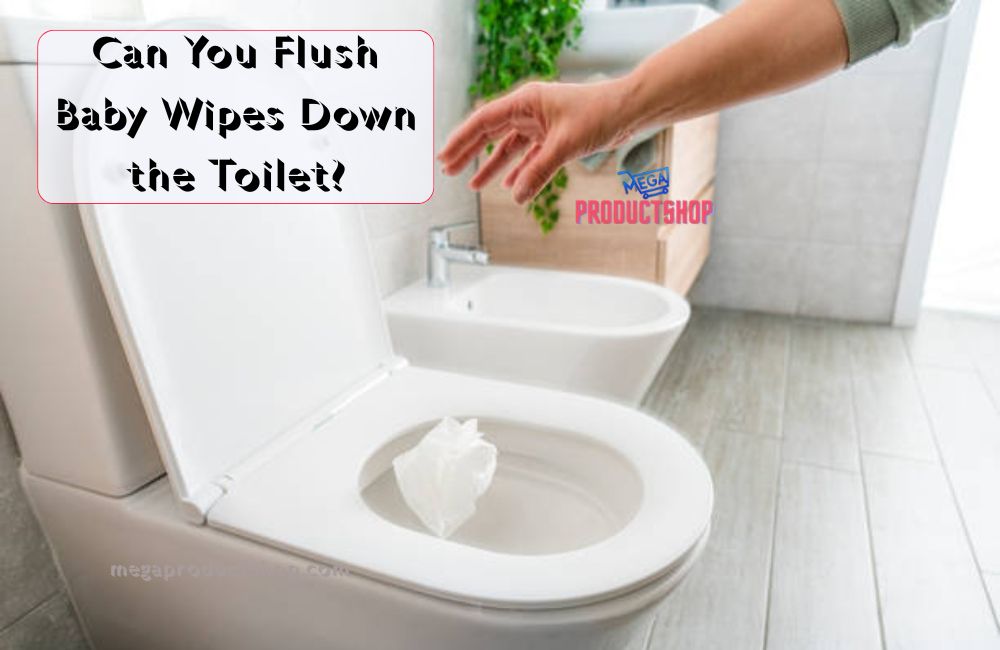
Can you flush baby wipes down the toilet? Do not flush baby wipes, even if labeled “flushable.” When you bring a new baby home, your bathroom routine changes quickly, and baby wipes become essential. Because they resemble toilet paper, you might think you can flush them—but this small habit leads to costly problems.
Most wipes contain strong synthetic fibers that do not break down in water. Instead of dissolving like toilet paper, wipes can get stuck in your pipes, clump together, and block your plumbing, septic system, or even the city sewer. This guide explains the risks of flushing baby wipes, what happens in your pipes, and simple, safe disposal habits.
Can You Flush Baby Wipes Down the Toilet?

See Also: Pampers Sensitive Baby Wipes Review 2026
Never flush baby wipes, even “flushable” ones. They contain synthetic fibers that don’t break down, causing blockages and costly plumbing problems.
Throw used baby wipes in the trash bin instead. Only the “three Ps”—pee, poo, and toilet paper—are safe to flush. This protects your plumbing and local sewer lines, preventing costly repairs.
What Are Baby Wipes Made Of?
Have you ever wondered what makes baby wipes so gentle and effective? These wipes consist of a non-woven fabric sheet saturated with a liquid solution created for gentle cleaning.
Fabric Materials
The basesheet is typically made from synthetic fibers like polypropylene or polyester, wood pulp, or plant-based options such as bamboo viscose or rayon for eco-friendly versions. These materials provide strength, absorbency, and softness, but contribute to why wipes don’t dissolve in water.
Solution Ingredients
Most wipes are over 99% water, often with aloe vera as a base, plus mild surfactants (like decyl glucoside) for cleansing, humectants (glycerin or propylene glycol) for moisture, and preservatives (sodium benzoate or ethylhexylglycerin). Optional additions include skin soothers like chamomile or jojoba oil.
Ingredients to Avoid
When considering safety, it’s important to avoid irritants such as bronopol, DMDM hydantoin (a formaldehyde releaser), parabens, phenoxyethanol, fragrances, phthalates, PEGs, and sulfates (SLS/SLES), which can harm sensitive baby skin or act as endocrine disruptors. Alcohol is absent in reputable baby wipes to prevent drying.
Why Do People Flush Wipes?
People flush wipes down the toilet primarily for convenience and out of misconceptions.
Convenience Factor
Dropping used wipes straight into the bowl seems quick, tidy, and effortless during diaper changes or personal care. Many view it as an extension of flushing toilet paper, especially when it comes to soiled wipes that smell strongly.
Misleading Labels
Products labeled “flushable” or “sewer-safe” create false confidence, as manufacturers imply they’re harmless even though they don’t disintegrate like paper. Shoppers trust packaging without realizing that synthetic fibers persist in pipes.
Hygiene and Habit
Flushing feels more sanitary than leaving poop-stained wipes in a diaper pail or trash bin. Once habitual, it persists unchecked, amplified by a lack of immediate problems or awareness of long-term clogs.
Why Baby Wipes Shouldn’t Be Flushed?

Baby wipes should not be flushed because they do not break down like toilet paper, which can cause serious plumbing and environmental problems. Even “flushable” wipes retain their strength in water due to synthetic fibers, clogging pipes that cause blockages, backups, and overflows.
They create “fatbergs” of grease in sewers, damaging lines—especially old ones—and septic tanks, accelerating clogging and reducing efficiency. Wipes overheat pumps in treatment plants, increasing taxpayer repair costs (e.g., NYC spends millions annually).
They get stuck in tree roots or bends, making clogs worse, and harming marine life when flushed out of the system. Toilets are for urine, feces, and paper only.
The Environmental Impact of Flushing Baby Wipes
Flushing baby wipes causes widespread environmental damage through sewer blockages and pollution.
Sewer Blockages and Fatbergs
Wipes fail to break down, forming massive “fatbergs” in sewers that block wastewater flow and cost cities millions in cleanup. These clogs overload treatment plants, forcing untreated sewage into rivers and oceans.
Marine and Wildlife Harm
Wipes wash onto beaches or into waterways, where marine animals mistake them for food, leading to plastic ingestion and starvation. They fragment into microplastics—up to 56 microfibers per gram—that enter the food chain, harming fish, shellfish, and humans via bioaccumulation.
Water Treatment Strain
Microplastics and fibers burden drinking water and wastewater facilities, increasing treatment costs and contamination risks. Even “biodegradable” wipes contribute, as they don’t decompose quickly enough and release persistent pollutants.
Risks to Your Plumbing and Sewer System

Flushing baby wipes can harm both your home’s plumbing and public sewer systems because, unlike toilet paper, they do not break down. Wipes stay whole, collect in pipes, and can cause clogs, slow drains, backups, and even overflows.
In septic systems, wipes build up quickly, disrupt natural bacteria, and make blockages and expensive pumping more likely. In city sewers, they mix with grease to create large blockages called “fatbergs,” which damage equipment and lead to costly repairs that may increase utility bills for everyone.
How to Properly Dispose of Baby Wipes
Trash Bin Method
To manage diaper wipes, use a small lidded trash can near the changing station, lined with a plastic bag for easy disposal. Fold or roll wipes tightly before tossing, and pair with diapers to minimize space. Empty the bag daily or every other day into an outdoor bin to prevent odors. To further control smells, consider the following tips.
Odor Control Tips
For additional odor control, add baking soda, dryer sheets, or deodorizers inside the bin to absorb smells. Clean the bin weekly with disinfectant, and use wipes with built-in odor neutralizers.
If you need more advanced options, sealable diaper pails or genies also work well for containing smells until trash pickup. As you consider disposal methods, you may want to explore eco-friendly alternatives.
Eco-Friendly Alternatives
Eco-friendly options include opting for 100% compostable wipes and checking local rules for home composting (cut into pieces first). Alternatively, you can switch to reusable cloth wipes washed in the machine for sustainability.
Alternatives to Baby Wipes
Eco-friendly alternatives to disposable baby wipes can make caring for your child gentler on the planet. Reusable cloths or compostable wipes are simple ways to reduce waste and keep your home safe.
Reusable Cloth Wipes
You can use fabric wipes made from organic cotton, bamboo, or microfiber by wetting them with water or a mild solution. After cleaning, just machine-wash and reuse them many times. Brands like A Slice of Green or Natracare offer GOTS-certified sets that are gentle on sensitive skin. Over time, these wipes save money and create no waste when used with a washable pail liner.
Biodegradable/Compostable Wipes
If you want something ready to use, plant-based wipes made from bamboo viscose or wood pulp are a gentle choice. Brands like Caboo, Terra, EcoPeaCo, or Mama Bamboo offer wipes that break down in compost within a few months.
They contain over 99% water and soothing natural extracts like aloe, making them a kind option. Check for FSC-certified and EWG-verified labels, review your local composting rules, and avoid flushing these wipes.
Dry Wipe
Bamboo or cotton dry sheets, such as those from Cheeky Panda or Healthybaby, can be dampened with water or a homemade spray made from water and aloe. For a simple option, cut flannel squares or use old t-shirts. Wash them in hot water with vinegar to sanitize.
Conclusion
So, can you flush wipes down the toilet? It’s understandable to wonder! The answer, though, is clear — it’s best not to. Baby wipes, wipes labeled as “flushable,” or even biodegradable wipes shouldn’t go down the toilet. They just don’t break down easily in water, which can lead to clogs in pipes, large fatbergs in sewers, and more plastic pollution.
This is why water and sanitation experts agree: Only three things should go down the toilet—urine, feces, and toilet paper.
To minimize these problems, the safest and most responsible way to dispose of wipes made of plastic or hard fibers is to put them in the trash.
FAQs
Can I flush baby wipes if they are labeled “flushable”?
No. Even “flushable” wipes don’t break down like toilet paper and can still cause clogs and plumbing damage.
What are the risks of flushing baby wipes?
They can block pipes, cause slow drains, sewage backups, septic system issues, and costly repairs.
How do I dispose of baby wipes responsibly?
Place used wipes in a trash bin. For extra hygiene, wrap them in tissue or use a lined, covered bin.
Are biodegradable wipes safe to flush?
No. Even biodegradable wipes break down slowly and can still clog pipes and sewer systems.
Can you flush biodegradable wipes?
It’s not recommended. They may degrade over time, but not fast enough to prevent plumbing problems.
What happens if I flush baby wipes down the toilet?
They can stay intact, collect inside pipes, and combine with grease, leading to blockages or sewage overflows.
How are you supposed to dispose of baby wipes?
Throw them in the garbage — never in the toilet.
Are baby wipes safe to flush?
No. Baby wipes are not safe to flush, even if labeled “flushable.”